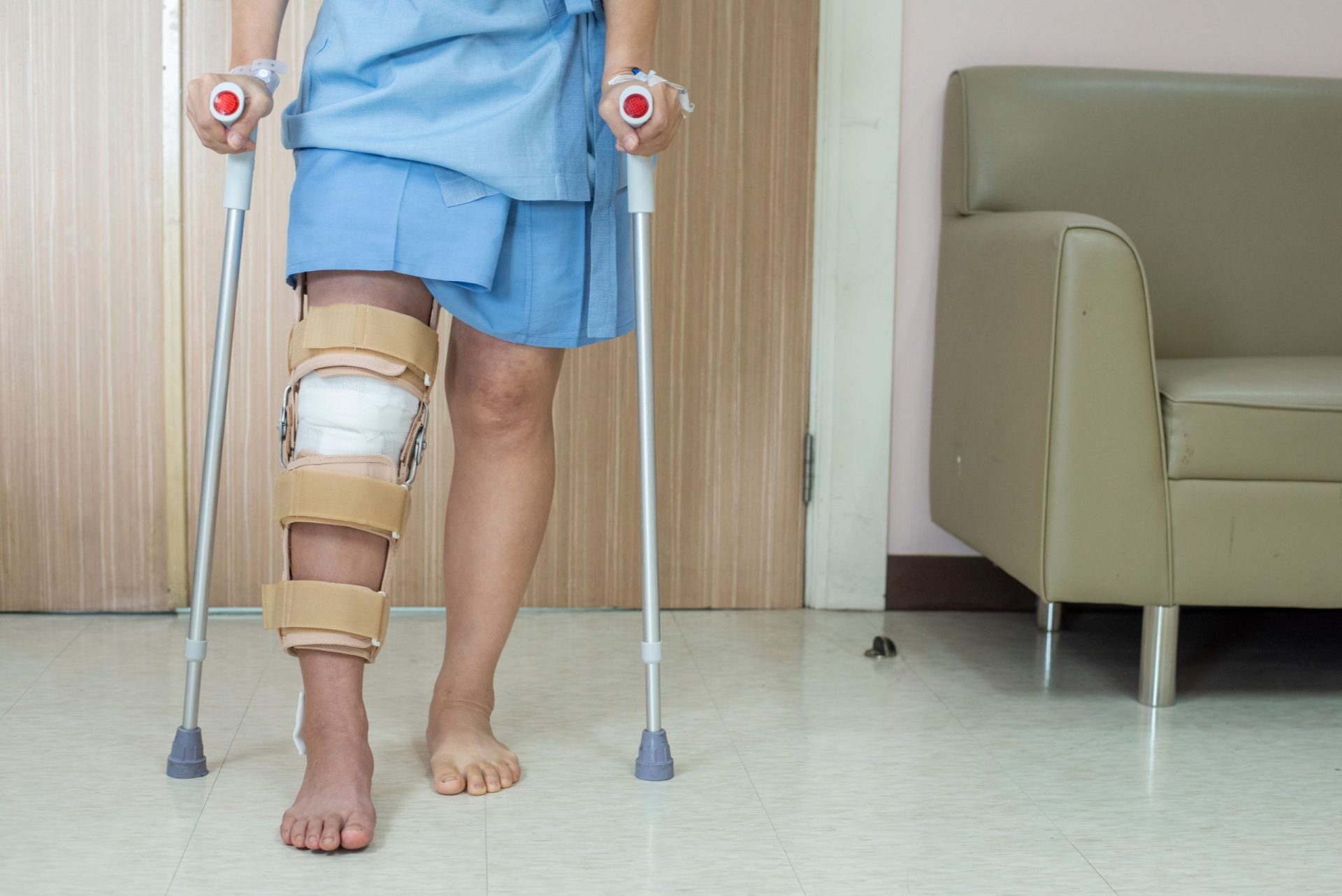
An anterior cruciate ligament (ACL) injury is one of the most common knee injuries, particularly among individuals who participate in sports and physical activities involving running, jumping, twisting, and sudden changes in direction. The ACL plays an important role in maintaining knee stability and controlling movement. When this ligament becomes injured, individuals may experience pain, swelling, instability, and difficulty performing everyday activities.
Recovering from an ACL injury requires a structured approach that focuses on restoring knee strength, improving joint mobility, rebuilding balance, and developing better movement control. Depending on the severity of the injury and individual activity requirements, treatment may involve physiotherapy, conservative rehabilitation, or surgical reconstruction followed by a rehabilitation programme.
Modern physiotherapy emphasizes progressive exercises and personalized recovery plans that help individuals regain functional knee strength and confidence. At Vitruvian Italian Physiotherapy Center, rehabilitation focuses on understanding individual physical requirements and supporting recovery through appropriate physiotherapy techniques.
Individuals exploring ACL injury treatment in dubai can benefit from understanding the causes, symptoms, treatment options, and rehabilitation strategies that contribute to stronger knee function.
Understanding an ACL Injury and Its Impact on Knee Stability
The anterior cruciate ligament is one of the major ligaments inside the knee joint. It connects the thigh bone (femur) to the shin bone (tibia) and helps control the forward movement and rotation of the tibia.
The ACL plays an essential role in stabilizing the knee during activities that involve sudden movements, changes in direction, and landing.
When the ligament becomes stretched or torn, the knee may lose some of its normal stability. This can make activities such as walking, running, jumping, and climbing stairs more challenging.
ACL injuries are commonly associated with sports such as:
Football and soccer.
Basketball.
Tennis.
Badminton.
Volleyball.
Skiing.
Other activities involving sudden direction changes.
However, ACL injuries can also occur during falls, accidents, or other unexpected movements.
Understanding the nature of the injury is the first step when considering ACL injury treatment in dubai and planning an appropriate recovery programme.
Common Causes of ACL Injuries
ACL injuries can occur through direct contact or non-contact movements. Many sports-related injuries happen when the knee experiences excessive rotational force or sudden changes in movement.
Some common causes include:
Sudden Direction Changes
Changing direction quickly while running can place significant stress on the knee joint, particularly when the foot remains planted on the ground.
Incorrect Landing Mechanics
Landing from a jump with poor knee alignment or inadequate muscular control may increase stress on the ACL.
Sudden Stops
Stopping abruptly while running can place additional demands on the knee and surrounding structures.
Knee Twisting
Unexpected twisting movements may cause the ligament to stretch beyond its normal capacity.
Direct Impact
A collision or direct blow to the knee during sports or accidents can contribute to ligament injuries.
Muscle Weakness and Poor Movement Control
Insufficient strength, balance, and coordination may affect how the body controls knee movement during demanding activities.
Identifying the possible cause helps healthcare professionals understand the injury and determine suitable treatment options.
Recognizing the Symptoms of an ACL Injury
ACL injuries can produce different symptoms depending on the severity of the ligament damage and whether other knee structures are involved.
Common symptoms include:
A popping sensation at the time of injury.
Sudden knee pain.
Swelling that develops after the injury.
Difficulty putting weight on the affected leg.
Reduced knee movement.
A feeling that the knee may give way.
Difficulty running or changing direction.
Reduced confidence during physical activities.
Some individuals may experience significant instability, while others may continue walking but notice difficulty during demanding movements.
A professional assessment is important to determine whether the ACL or another knee structure has been affected.
Different Grades of ACL Injuries
ACL injuries are generally classified according to the extent of ligament damage.
Grade 1: Mild ACL Injury
In a mild injury, the ligament is stretched but remains intact. The knee may experience discomfort and mild instability, although the ligament can still provide substantial support.
Grade 2: Partial ACL Tear
A partial tear involves damage to some of the ligament fibres. The knee may experience increased instability and reduced functional control.
Grade 3: Complete ACL Tear
A complete tear occurs when the ligament is fully disrupted. This may result in significant knee instability, particularly during activities involving pivoting or sudden direction changes.
The severity of the injury, activity requirements, associated damage, and overall knee stability help determine the most appropriate treatment approach.
Why Early Assessment Matters for ACL Recovery
An ACL injury should be assessed by an appropriate healthcare professional to understand the extent of ligament damage and identify any additional problems involving the meniscus, cartilage, or other ligaments.
An accurate assessment helps determine whether conservative rehabilitation or surgical treatment may be appropriate.
Early evaluation also helps establish suitable movement guidelines and prevent unnecessary strain during the initial recovery period.
For individuals considering ACL injury treatment in dubai, professional assessment is an important starting point for developing a personalized rehabilitation plan.
Modern ACL Injury Treatment Approaches
ACL treatment depends on several factors, including the severity of the injury, knee stability, age, physical activity requirements, and associated joint damage.
Not every ACL injury requires surgery. Some individuals may achieve satisfactory knee function through structured physiotherapy, while others may benefit from surgical reconstruction.
Common treatment approaches include:
Conservative Treatment
For selected individuals, particularly those with certain partial injuries or lower physical demands, conservative treatment may involve physiotherapy, activity modification, and progressive strengthening.
ACL Reconstruction Surgery
For individuals with significant instability or specific sporting requirements, surgical reconstruction may be recommended. The procedure generally involves replacing the damaged ligament with a graft.
Post-Surgical Rehabilitation
Following ACL reconstruction, physiotherapy is essential for restoring knee mobility, strength, balance, and functional movement.
The most suitable approach should be determined through an individual medical assessment and discussion with an orthopedic specialist.
The Importance of Physiotherapy in ACL Rehabilitation
Physiotherapy is an essential part of ACL recovery, whether an individual follows a conservative treatment programme or undergoes surgical reconstruction.
The primary objective is to restore knee function gradually while improving the strength and coordination of the surrounding muscles.
At Vitruvian Italian Physiotherapy Center, rehabilitation focuses on personalized treatment approaches that consider the individual's condition, movement limitations, and recovery goals.
A structured ACL rehabilitation programme may focus on:
Improving knee mobility.
Managing swelling and discomfort.
Restoring quadriceps strength.
Strengthening the hamstrings and gluteal muscles.
Improving balance and coordination.
Developing better movement control.
Rebuilding confidence during walking and exercise.
Preparing individuals for appropriate functional activities.
A progressive approach allows rehabilitation to develop according to the individual's recovery stage.
Stages of ACL Injury Rehabilitation
ACL rehabilitation generally follows different stages. Each stage focuses on specific physical goals and prepares the individual for more demanding movements.
The exact progression depends on the injury, treatment method, surgical instructions when applicable, and individual response.
Stage 1: Initial Recovery and Swelling Management
The first stage focuses on managing swelling, improving comfort, and restoring appropriate knee movement.
Treatment may include:
Gentle knee mobility exercises.
Appropriate swelling management.
Quadriceps activation exercises.
Supported walking when permitted.
Gradual restoration of knee extension and flexion.
The objective is to improve basic knee function without placing unnecessary stress on healing structures.
Stage 2: Restoring Knee Strength
Once initial movement improves, strengthening exercises become an important part of rehabilitation.
Exercises may target the quadriceps, hamstrings, gluteal muscles, and calf muscles.
Examples include:
Straight leg raises.
Supported squats.
Glute bridges.
Controlled step-ups.
Resistance band exercises.
These movements help rebuild the muscular support required for knee stability.
Stage 3: Improving Balance and Coordination
Balance and coordination exercises help individuals regain control of the affected leg.
Rehabilitation may include:
Single-leg balance exercises.
Controlled weight shifting.
Supported standing exercises.
Step-down movements.
Stability training.
These exercises help develop better awareness of knee positioning during movement.
Stage 4: Functional Strengthening
As strength and movement control improve, exercises can gradually become more demanding.
The programme may include:
Squat variations.
Lunges.
Controlled step-ups.
Resistance-based strengthening.
Functional movement practice.
The goal is to prepare the knee for more complex everyday and physical activities.
Stage 5: Sports-Specific Rehabilitation
For individuals planning to return to sports, rehabilitation may eventually include running, jumping, landing, and controlled direction changes.
These activities should only be introduced when appropriate strength, movement quality, and functional criteria have been achieved.
Strengthening the Quadriceps for Better Knee Function
The quadriceps are the large muscles located at the front of the thigh. They play an important role in straightening the knee and supporting activities such as walking, standing, climbing stairs, and jumping.
After an ACL injury or reconstruction, quadriceps weakness is common and may affect knee stability and movement quality.
Physiotherapy may include several strengthening exercises.
Quadriceps Sets
The individual tightens the thigh muscles while keeping the leg straight. This exercise encourages muscle activation without requiring significant knee movement.
Straight Leg Raises
While lying on the back, the individual lifts the affected leg while keeping the knee straight. This helps develop quadriceps control.
Supported Squats
Controlled squats help strengthen the quadriceps and other lower-body muscles.
Step-Ups
Stepping onto a stable platform helps develop functional leg strength and coordination.
Resistance Exercises
Resistance bands or suitable exercise equipment may be introduced to gradually improve muscular strength.
Exercise difficulty should increase according to recovery progress and professional guidance.
Strengthening the Hamstrings and Gluteal Muscles
The hamstrings and gluteal muscles contribute significantly to lower-body stability and movement control.
The hamstrings help control knee movement, while the gluteal muscles support hip stability and alignment.
Strengthening these muscles may help improve the way forces are distributed across the lower body during physical activities.
Some exercises commonly included in ACL rehabilitation are:
Glute Bridges
This exercise strengthens the gluteal muscles and supports pelvic stability.
Hamstring Curls
Controlled knee bending against suitable resistance helps strengthen the hamstring muscles.
Hip Abduction Exercises
Moving the leg outward while maintaining control helps strengthen the muscles responsible for hip stability.
Single-Leg Bridges
This exercise can develop additional hip and posterior-chain strength when the individual has achieved sufficient control.
Resistance Band Walks
Sideways walking with a resistance band can strengthen the hip muscles and support lower-body coordination.
A balanced strengthening programme is important for improving overall lower-limb function.
Balance and Proprioception Training After an ACL Injury
Proprioception refers to the body's ability to understand the position and movement of its joints without relying entirely on vision.
After an ACL injury, balance and proprioception may be affected. Rehabilitation exercises help individuals rebuild movement awareness and control.
Some useful exercises include:
Single-leg standing.
Controlled weight shifting.
Supported balance exercises.
Step-and-hold movements.
Dynamic balance activities.
Controlled directional movements.
These exercises help improve coordination between the muscles and joints.
Balance training becomes particularly important for individuals who want to return to activities involving rapid movements, jumping, or changes in direction.
The Role of Mobility Exercises in ACL Recovery
Restoring knee mobility is another important objective of ACL rehabilitation.
Stiffness and restricted movement may develop following an injury or surgery. Appropriate mobility exercises help individuals gradually regain comfortable knee movement.
Depending on the recovery stage, physiotherapy may include:
Heel Slides
While lying down, the individual gently slides the heel toward the body to bend the knee within the permitted range.
Knee Extension Exercises
Specific exercises help restore the ability to straighten the knee comfortably.
Ankle Pumps
Moving the feet upward and downward helps maintain ankle movement during periods of reduced activity.
Gentle Stationary Cycling
When approved and appropriate, stationary cycling can help improve knee movement and general lower-limb mobility.
Exercise selection should follow the rehabilitation plan, particularly after surgery, when movement restrictions may apply.
ACL Injury Treatment Cost in Dubai: Understanding the Main Factors
The cost of ACL treatment can vary considerably depending on whether the individual requires conservative physiotherapy, surgical reconstruction, or post-operative rehabilitation.
People researching ACL injury treatment cost in dubai should understand that there is no single fixed price for every patient.
Several factors may influence the overall treatment expense.
1. Initial Medical Assessment
The initial assessment may involve an orthopedic consultation, physical examination, and diagnostic imaging when required.
2. Severity of the Injury
A mild or partial ACL injury may require a different treatment programme from a complete ligament tear with additional knee damage.
3. Surgical Requirements
If reconstruction is recommended, the overall cost may include the surgeon's fees, hospital facilities, anesthesia, graft-related expenses, and follow-up appointments.
4. Physiotherapy Sessions
The number of rehabilitation sessions depends on the individual's physical condition, treatment method, and recovery progress.
5. Rehabilitation Complexity
Some individuals require more extensive strengthening, balance training, mobility work, and functional rehabilitation.
6. Physiotherapist Experience
Professional qualifications and experience may also influence the cost of physiotherapy sessions.
7. Duration of Rehabilitation
ACL rehabilitation often requires a structured programme extending over several months, particularly for individuals returning to demanding sports.
When comparing ACL injury treatment cost in dubai, individuals should consider the complete treatment pathway rather than focusing only on the initial consultation or session price.
At Vitruvian Italian Physiotherapy Center, individuals can discuss their rehabilitation requirements and understand the available physiotherapy options according to their recovery goals.
How to Choose the Best ACL Injury Treatment in Dubai
Choosing a suitable ACL treatment approach requires an understanding of the injury, physical requirements, and long-term activity goals.
Individuals searching for the Best ACL injury treatment in dubai should consider several important factors.
Comprehensive Injury Assessment
A suitable treatment plan should be based on a proper evaluation of knee stability, movement, strength, and associated injuries.
Personalized Rehabilitation Planning
Treatment should reflect the individual's injury severity, physical abilities, and daily activity requirements.
Progressive Strengthening
A structured rehabilitation programme should gradually rebuild the quadriceps, hamstrings, gluteal muscles, and supporting structures.
Balance and Coordination Training
Balance exercises help improve knee control and movement awareness.
Functional Rehabilitation
Treatment should gradually prepare individuals for activities such as walking, climbing stairs, running, and sports when appropriate.
Regular Progress Monitoring
Physiotherapists should evaluate movement quality, strength, and functional improvement throughout rehabilitation.
The Best ACL injury treatment in dubai is an approach that addresses the individual's specific condition and supports appropriate progress toward stronger knee function.
Vitruvian Italian Physiotherapy Center focuses on personalized physiotherapy and rehabilitation approaches that support improved mobility, strength, and functional recovery.
Returning to Sports After ACL Rehabilitation
Returning to sports after an ACL injury requires more than simply waiting for pain to disappear.
Athletes need adequate knee strength, balance, coordination, and confidence before participating in demanding activities.
A return-to-sport programme may involve several steps.
Restoring Basic Movement
The individual should first regain comfortable walking, knee mobility, and appropriate lower-body control.
Developing Strength
Quadriceps, hamstring, and hip strength should improve sufficiently to support demanding movements.
Improving Landing Mechanics
Controlled landing exercises help individuals develop better knee alignment and lower-body coordination.
Introducing Running
Running may be introduced when appropriate clinical and functional criteria have been achieved.
Practising Direction Changes
Controlled agility exercises may gradually prepare the individual for sports involving pivoting and rapid movement.
Sport-Specific Training
The final stages may involve movements that reflect the individual's sporting requirements.
Return-to-sport decisions should be based on clinical assessment, functional testing, and professional guidance rather than time alone.
How Long Does ACL Injury Recovery Take?
ACL recovery timelines vary depending on the severity of the injury, treatment method, associated damage, and individual response to rehabilitation.
Individuals receiving conservative treatment may follow a different recovery timeline from those undergoing surgical reconstruction.
After ACL reconstruction, returning to demanding sports often requires approximately nine to twelve months or longer, depending on functional recovery and medical clearance.
Several factors influence the recovery process:
Type and severity of the ACL injury.
Whether surgery is required.
Associated meniscus or cartilage injuries.
Initial knee strength and mobility.
Consistency with rehabilitation exercises.
Quality of movement and balance.
Individual healing and recovery progress.
Physical demands of the desired activities.
Regular assessments help determine whether the individual is ready to progress to more challenging exercises.
Preventing Future Knee Injuries Through Strength and Movement Training
Although no exercise programme can completely eliminate the possibility of another knee injury, appropriate conditioning can help improve muscular control and movement quality.
Preventive training is particularly useful for individuals involved in sports that require jumping, pivoting, and rapid direction changes.
Some important practices include:
Maintain regular quadriceps and hamstring strengthening exercises.
Develop hip and gluteal muscle strength.
Practise controlled jumping and landing techniques.
Improve balance and coordination.
Include appropriate warm-up exercises before sports.
Increase training intensity gradually.
Allow adequate recovery between demanding sessions.
Maintain correct movement patterns during exercise.
A consistent conditioning routine can support better knee function and overall lower-body performance.
When Should You Seek Professional Assessment for an ACL Injury?
Anyone experiencing significant knee pain, swelling, instability, or difficulty walking after an injury should seek professional medical assessment.
A healthcare professional can evaluate the knee and determine whether imaging or additional investigations are necessary.
Prompt assessment is particularly important when the knee feels unstable, cannot bear weight comfortably, or has significant swelling following an injury.
After surgery, rehabilitation should follow the surgeon's instructions and the physiotherapist's treatment plan. Any unexpected increase in swelling, pain, or other concerning symptoms should be discussed with the treating healthcare professional.
Early and appropriate evaluation helps establish a suitable treatment pathway.
Conclusion
ACL injuries can significantly affect knee stability, mobility, and physical performance. Recovering from an ACL injury requires a structured approach that focuses on restoring joint movement, rebuilding muscular strength, improving balance, and developing better movement control.
Modern physiotherapy plays an important role in this process through progressive strengthening, mobility exercises, functional rehabilitation, and personalized recovery planning.
For individuals exploring ACL injury treatment in dubai, understanding the available treatment approaches and ACL injury treatment cost in dubai can help them make informed decisions about their rehabilitation journey.
At Vitruvian Italian Physiotherapy Center, the focus is on personalized physiotherapy approaches that support stronger knee function, improved mobility, and a gradual return to everyday activities. With appropriate assessment, consistent rehabilitation, and professional guidance, individuals can work towards better knee stability and long-term physical confidence.
Comments