The February Birth Flower is the violet, a delicate and charming flower that has captured human admiration for centuries. Known for its vibrant colors and sweet fragrance, the violet symbolizes loyalty, faithfulness, and humility. This article explores the history, symbolism, and cultural significance of the violet, giving insight into why it has become the celebrated flower of February.
The Origins of the Violet
The violet is a member of the Violaceae family, which includes over 500 species worldwide. Native to temperate regions of the Northern Hemisphere, violets have thrived in gardens and wild habitats alike. The February Birth Flower has a rich history in ancient civilizations, appearing in Greek, Roman, and even Egyptian traditions.
In ancient Greece, violets were associated with love and fertility. They were often offered as tokens of affection and used in various rituals to honor the gods. The Romans also valued the violet, using it to adorn their homes and create garlands for celebrations. Historical texts reveal that violets were even used as medicinal herbs, believed to have properties that could treat headaches, insomnia, and respiratory conditions.
Symbolism of the February Birth Flower
The violet has long been a symbol of modesty and faithfulness. Its small, unassuming blossoms convey humility, while its vibrant purple and blue hues represent loyalty and devotion. As the February Birth Flower, the violet carries the essence of these qualities, making it a meaningful gift for those born in this month.
In Victorian times, flowers were often used to convey messages and emotions, a practice known as floriography. During this period, giving violets was a way to express love that was pure and sincere. The February Birth Flower became synonymous with fidelity and thoughtfulness, a tradition that continues in modern floral culture.
Varieties of the Violet
The violet comes in several varieties, each with its own unique charm. The common blue violet is widely recognized and often associated with the February Birth Flower. Other varieties include the sweet violet, which has a stronger fragrance, and the pansy, which is a hybrid often used in ornamental gardening.
Gardeners and flower enthusiasts appreciate the violet for its adaptability and resilience. It thrives in both shaded and sunny areas, making it a versatile addition to gardens. The February Birth Flower’s ability to flourish in various environments mirrors its symbolic representation of steadfastness and endurance.
Cultural Significance of Violets
Violets have played important roles in various cultures throughout history. In Greek mythology, violets were linked to the goddess Persephone, symbolizing the renewal of life and the arrival of spring. Roman poets, such as Virgil, praised violets for their beauty and scent, often referencing them in poetry and literature.
In Christianity, the violet is sometimes associated with humility and modesty, reflecting the quiet strength of faith. The February Birth Flower’s symbolism aligns with these cultural interpretations, highlighting virtues that transcend time and place.
Medicinal and Culinary Uses
Historically, the violet was not only admired for its beauty but also valued for its practical uses. The February Birth Flower was often used in herbal remedies to soothe respiratory issues, reduce inflammation, and alleviate minor ailments. Its leaves and flowers were incorporated into teas and poultices, demonstrating the flower’s multifaceted nature.
Culinary uses of violets have also been popular, particularly in European cuisine. Candied violets are a delicate treat, and violet-infused syrups or jellies provide a subtle floral flavor. These edible applications of the February Birth Flower showcase its versatility and enduring appeal.
The Violet in Art and Literature
Throughout history, the violet has inspired countless artists and writers. From Renaissance paintings to modern literature, the flower has symbolized beauty, loyalty, and modesty. As the February Birth Flower, the violet continues to appear in creative works, representing themes of love and devotion.
Artists often use the violet’s delicate shape and vibrant color to convey emotion and subtlety. Its recurring presence in literature and art reinforces the flower’s symbolic significance and maintains its status as an emblem of February.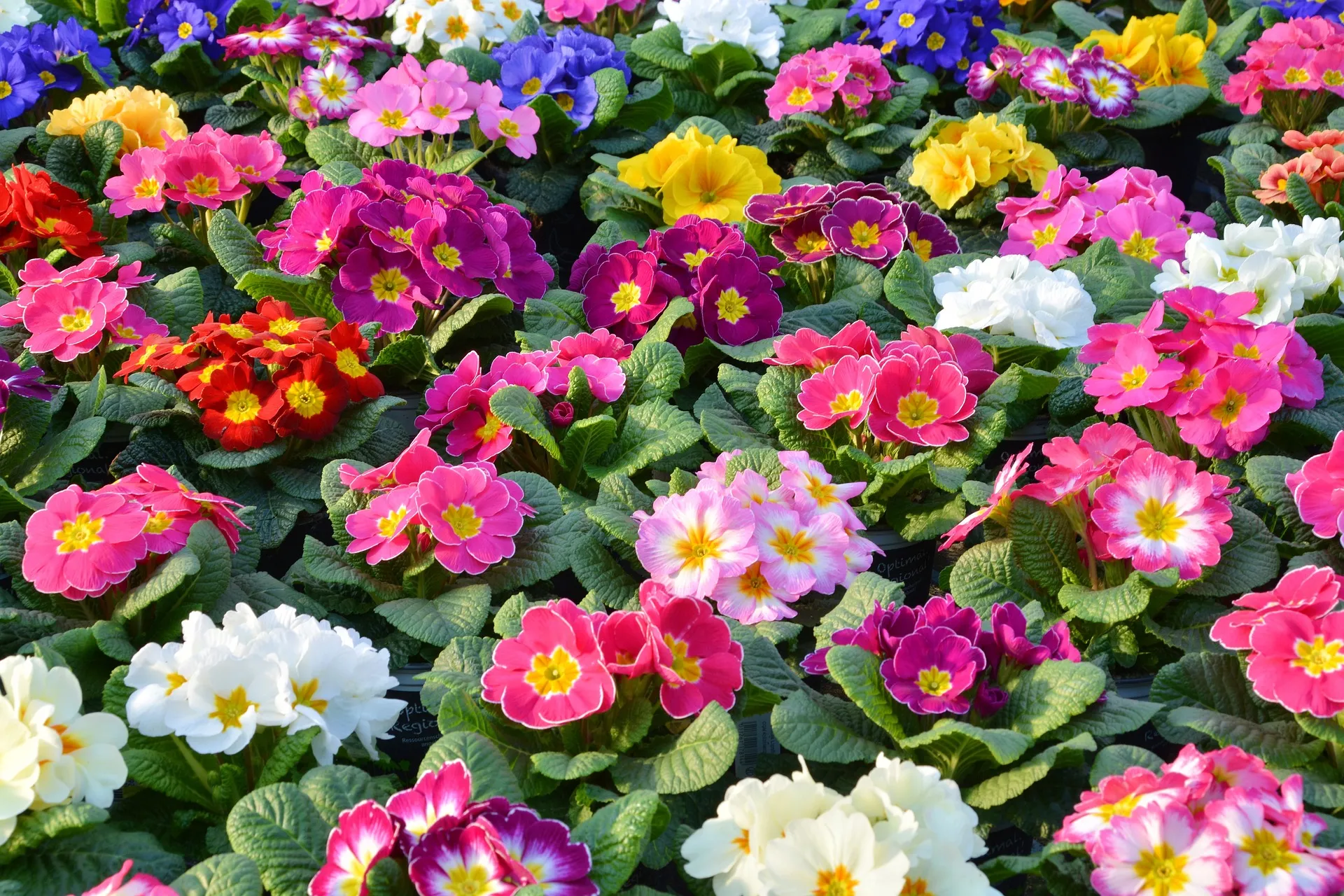
Celebrating the February Birth Flower
People born in February often receive violets as gifts to honor their birth month. The flower’s symbolic meanings of faithfulness, humility, and devotion make it a thoughtful and meaningful present. Florists frequently include violets in bouquets and arrangements for birthdays, anniversaries, and special occasions, emphasizing the flower’s timeless charm.
In addition to gift-giving, planting violets in gardens or creating floral displays is a way to celebrate the February Birth Flower. Its beauty and fragrance bring warmth and elegance to any space, reflecting the qualities associated with those born in February.
Conclusion
The February Birth Flower, the violet, is a remarkable symbol of loyalty, humility, and devotion. Its rich history, cultural significance, and practical uses make it a flower worth celebrating. From ancient civilizations to modern times, violets have captivated hearts with their beauty and meaning. By understanding the history and symbolism of the February Birth Flower, we can appreciate not only its aesthetic appeal but also the deeper values it represents. The violet remains a timeless emblem, embodying the virtues of modesty, faithfulness, and enduring charm, making it a cherished symbol for all who are born in February.
Comments