When preparing for surgery, selecting the right instrument is critical for patient safety and procedural success. Two commonly used grasping instruments in gynecology and general surgery are Allis forceps and tenaculums. While they may look somewhat similar to the untrained eye, their functions and tissue interactions differ significantly. Understanding the nuances of Allis forceps vs tenaculum usage ensures that surgeons can manipulate tissue effectively without causing unnecessary trauma.
At Azeemed Instruments, we are dedicated to providing high-quality surgical tools that meet the rigorous demands of medical professionals. Whether you need precise grasping capabilities or robust tissue holding, our instruments are crafted to deliver reliability in every procedure. This guide explores the key differences between these essential tools to help you make informed choices for your surgical kit.
Understanding the Design and Function
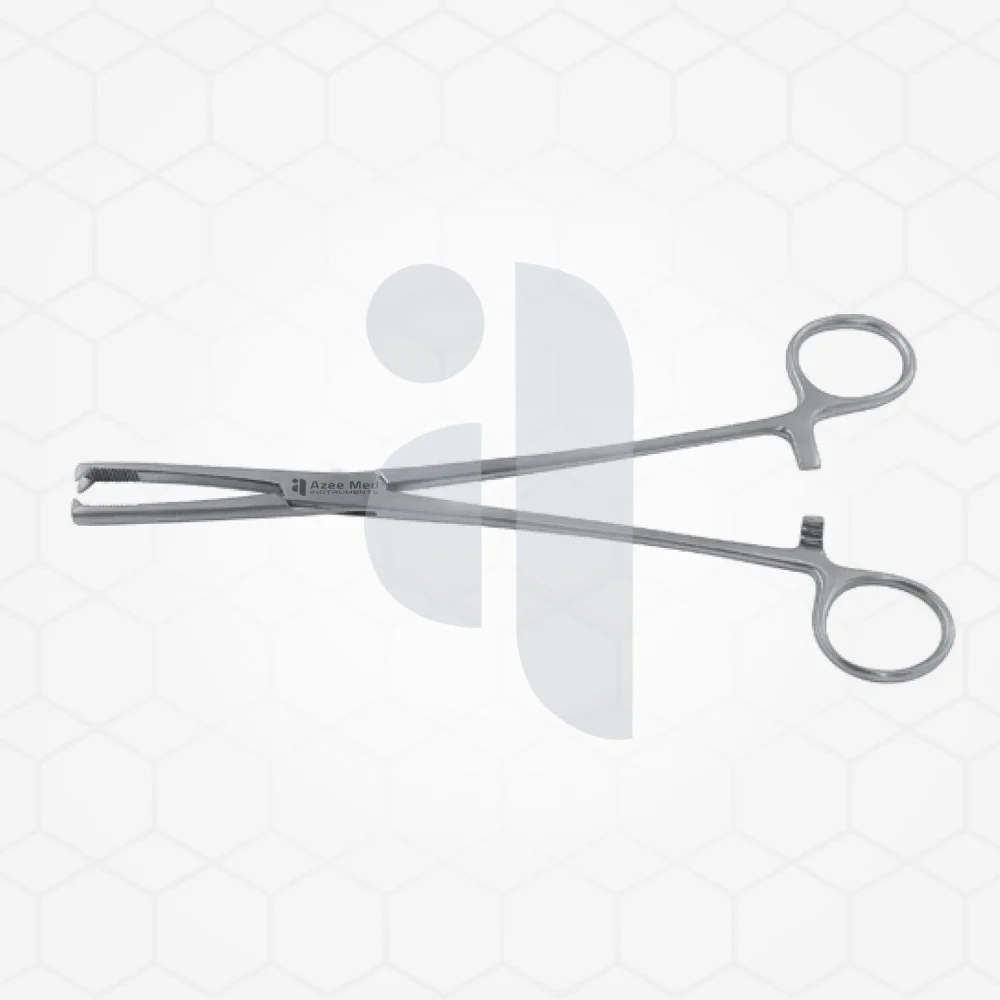
The primary distinction between these instruments lies in their jaw design and intended application. Allis forceps feature jaws with small, interlocking teeth. These teeth are designed to grip tough or heavy tissue securely. Because the teeth are relatively sharp, they can cause some tissue damage, which means they are typically used on tissue that is being removed or is durable enough to withstand the grip, such as fascia or fibrous tissue.
In the debate of Allis forceps vs tenaculum, the tenaculum stands out for its more aggressive, single-toothed design. A tenaculum usually has sharp, pointed hooks at the end of its jaws. These hooks penetrate the tissue to provide a very secure hold. This design is particularly useful for grasping structures like the cervix during gynecological procedures. However, the piercing nature of the tenaculum means it is more traumatic than the Allis forceps, requiring careful handling to minimize bleeding or injury.
Clinical Applications in Surgery
Surgeons choose their tools based on the delicate balance between grip strength and tissue preservation. When we compare Allis forceps vs tenaculum applications, we see distinct roles emerge. Allis forceps are frequently employed in general surgery to hold the edges of skin or to grasp fascia during suturing. They are also common in intestinal surgery where a firm grip on the bowel is necessary, provided the tissue is not too delicate.
The tenaculum finds its primary home in obstetrics and gynecology. It is the instrument of choice for stabilizing the cervix and uterus during procedures like IUD insertion, D&C, or vaginal hysterectomies. While discussing various grasping instruments, it is interesting to note how specialized tools like skeletal tongs operate on a different principle, applying traction to bone rather than soft tissue. Similarly, the tenaculum applies specific traction to the cervix, allowing the surgeon to manipulate the uterus's position. This level of control is vital for visualizing the surgical field and ensuring accurate intervention.
Tissue Trauma and Healing Considerations
Minimizing trauma is a top priority in modern surgery. The choice between these two instruments often comes down to how much trauma the tissue can tolerate. In the context of Allis forceps vs tenaculum safety profiles, the Allis forceps are generally considered less traumatic than the tenaculum, though they are still classified as traumatic forceps. The multiple small teeth distribute the pressure over a slightly larger area compared to the single piercing points of a tenaculum.
The tenaculum's sharp points puncture the tissue, which can lead to localized bleeding and necessitates a healing period for the puncture sites. Surgeons must be vigilant about checking for hemostasis (stopping bleeding) after removing a tenaculum. Azeemed Instruments manufactures both tools with precision tips to ensure that, regardless of the choice, the tissue interaction is as controlled and predictable as possible. High-quality steel and proper alignment reduce the risk of slippage, which is a common cause of inadvertent tissue injury.
Material Quality and Sterilization
Regardless of which instrument is selected, the quality of the manufacturing plays a huge role in surgical outcomes. Both Allis forceps and tenaculums must be made from high-grade stainless steel to resist corrosion and maintain their sharpness over repeated sterilization cycles. Dull teeth on an Allis forcep or a blunt tip on a tenaculum can lead to failed grasping attempts, forcing the surgeon to re-apply the instrument and causing additional trauma.
When evaluating Allis forceps vs tenaculum durability, look for instruments that move smoothly at the hinge and lock securely. The ratcheted handles on both instruments allow for a self-retaining hold, freeing up the surgeon's hands. Azeemed Instruments ensures that every locking mechanism is tested for security and ease of release. Proper maintenance and regular inspection of these locking mechanisms are essential for longevity and safety in the operating room.
Conclusion
Choosing the right instrument is about matching the tool's capabilities to the specific needs of the tissue and the procedure. The comparison of Allis forceps vs tenaculum highlights the trade-offs between surface grip and penetrating hold. Allis forceps offer a secure grip for heavy tissue with moderate trauma, while tenaculums provide superior traction for the cervix through puncture.
Azeemed Instruments is proud to support healthcare providers with tools that enhance precision and patient care. By understanding the specific strengths of each instrument, surgeons can optimize their techniques and improve surgical outcomes.
Comments