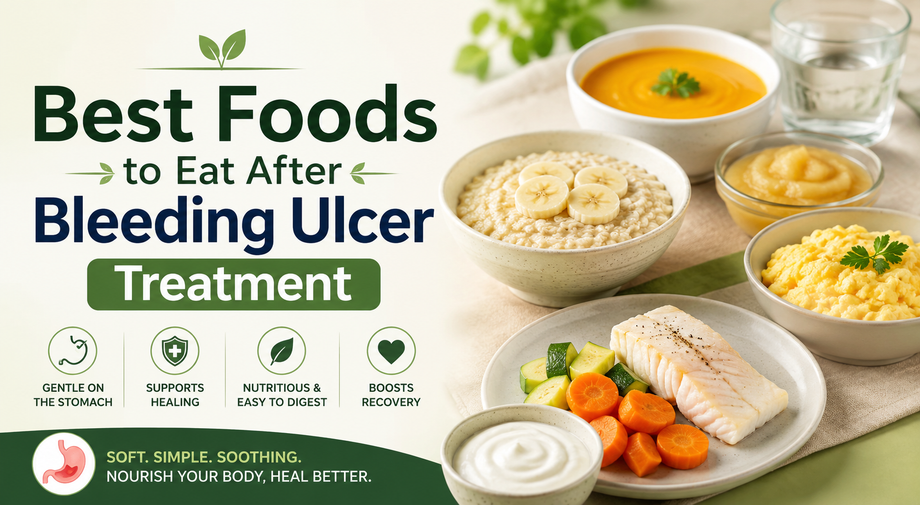
Recovering from a bleeding ulcer requires more than just medical treatment. Your diet plays a crucial role in healing the stomach lining, reducing irritation, and preventing the ulcer from recurring. After receiving Ulcer Bleeding Treatment in Jaipur, following a balanced and stomach-friendly diet can support faster recovery and improve digestive health. Along with prescribed medications, making healthy food choices can help your stomach heal while minimizing discomfort.
Why Diet Is Important After a Bleeding Ulcer
A bleeding ulcer develops when the protective lining of the stomach or the first part of the small intestine is damaged, leading to bleeding. After treatment, the stomach remains sensitive, making it essential to choose foods that are easy to digest and gentle on the digestive system.
The right diet can:
- Promote healing of the stomach lining.
- Reduce acid irritation.
- Improve digestion.
- Prevent nutritional deficiencies caused by blood loss.
- Lower the risk of ulcer recurrence.
Following your doctor's dietary advice is just as important as taking prescribed medications.
1. Soft Fruits Rich in Vitamins
Fruits provide essential vitamins, antioxidants, and fiber that support healing. Choose fruits that are easy to digest and not overly acidic.
Good options include:
- Bananas
- Papaya
- Apples (peeled)
- Pears
- Melons
These fruits are gentle on the stomach and help maintain healthy digestion.
2. Cooked Vegetables
Well-cooked vegetables are easier to digest than raw vegetables during the recovery period.
Include:
- Carrots
- Pumpkin
- Bottle gourd
- Spinach
- Sweet potatoes
- Green beans
These vegetables supply vitamins and minerals that aid tissue repair without irritating the stomach.
3. Whole Grains
Whole grains provide energy and fiber while supporting digestive health.
Healthy choices include:
- Oatmeal
- Brown rice
- Whole wheat porridge
- Soft multigrain chapati
- Dalia
Introduce fiber gradually to avoid bloating, especially during the early recovery phase.
4. Lean Protein Sources
Protein is necessary for repairing damaged tissues and promoting recovery.
Choose:
- Skinless chicken
- Fish
- Eggs
- Tofu
- Lentils
- Moong dal
Prepare these foods by boiling, steaming, or grilling instead of frying.
5. Probiotic Foods
Probiotics help restore healthy gut bacteria, especially if antibiotics were used to treat Helicobacter pylori infection.
Include:
- Plain yogurt
- Curd
- Buttermilk
These foods support digestion and may improve overall gut health.
6. Iron-Rich Foods
Blood loss from a bleeding ulcer can sometimes lead to iron deficiency. Including iron-rich foods may help restore healthy blood levels.
Good sources include:
- Spinach
- Beetroot
- Lentils
- Beans
- Lean meat
- Fortified cereals
Vitamin C-rich foods can improve iron absorption, but citrus fruits should be consumed cautiously if they trigger stomach discomfort.
7. Healthy Fluids
Staying hydrated supports digestion and recovery.
Drink:
- Water
- Coconut water
- Clear soups
- Herbal teas (if advised by your doctor)
Avoid carbonated drinks and excessive caffeine, as they may worsen stomach irritation.
Foods to Avoid After Bleeding Ulcer Treatment
Certain foods may delay healing or increase stomach irritation.
Avoid:
- Spicy foods
- Deep-fried foods
- Alcohol
- Smoking
- Highly processed snacks
- Excessive coffee or tea
- Carbonated beverages
- Very acidic foods if they worsen symptoms
Avoiding these foods allows the stomach lining to recover more effectively.
Healthy Eating Habits for Faster Recovery
Apart from choosing healthy foods, your eating habits also influence recovery.
Follow these tips:
- Eat small, frequent meals.
- Chew food thoroughly.
- Avoid lying down immediately after eating.
- Eat meals at regular times.
- Drink enough water throughout the day.
- Avoid overeating.
Patients recovering after Ulcer Bleeding Treatment in Jaipur often benefit from consistent meal timings and a balanced diet recommended by their treating doctor.
When Should You Contact Your Doctor?
Although many patients recover well, medical attention is necessary if you experience:
- Black or bloody stools
- Vomiting blood
- Severe abdominal pain
- Persistent nausea or vomiting
- Dizziness or fainting
- Unexplained weakness
Prompt evaluation by a Gastro Doctor in Jaipur is important if these symptoms develop. A Gastro Doctor in Jaipur can assess whether additional treatment or investigations are required and ensure your recovery is progressing safely.
The Importance of Follow-Up Care
Recovery does not end once the bleeding stops. Regular follow-up visits help your doctor monitor healing and prevent future complications.
Your healthcare provider may recommend:
- Completing the prescribed medication course.
- Treating H. pylori infection if present.
- Avoiding unnecessary painkillers such as NSAIDs.
- Following dietary recommendations.
- Monitoring for recurring symptoms.
In some cases, repeat endoscopy may be advised to confirm that the ulcer has healed completely.
Conclusion
Recovering from a bleeding ulcer requires a combination of medical treatment, proper nutrition, and healthy lifestyle habits. Eating soft fruits, cooked vegetables, whole grains, lean proteins, probiotic foods, and staying hydrated can support healing while reducing the risk of recurrence. Equally important is avoiding spicy, fried, and highly processed foods that may irritate the stomach.
If you are recovering after Ulcer Bleeding Treatment in Jaipur, seeking ongoing guidance from an experienced Endoscopist in Jaipur can help ensure complete healing and prevent future complications. Endoscopist in Jaipur services offered by Dr Sushil Kumar Jain Gastro at ACE Gastro Super Speciality Clinic include advanced diagnosis, therapeutic endoscopy, and comprehensive care for bleeding ulcers and other digestive disorders. Consulting an experienced Endoscopist in Jaipur ensures personalized treatment and long-term digestive health.
Comments