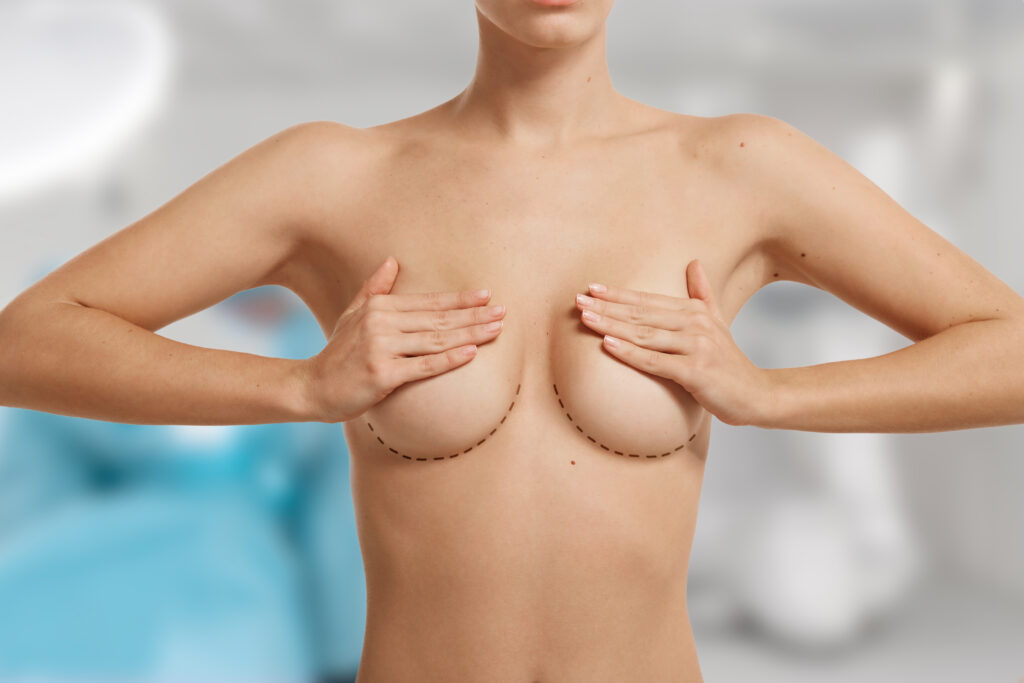
Breast augmentation is a highly personalised procedure that aims to enhance breast size, improve shape, and create proportions that complement the body. Although breast implants play an important role in achieving the desired appearance, the patient's existing breast tissue is equally important. Natural breast tissue provides the foundation over which implants are positioned, influencing their appearance, feel, and overall suitability.
Every woman has a different breast structure. Some have naturally fuller breasts with sufficient tissue coverage, while others have smaller breasts, thinner skin, or limited natural volume. These differences can influence implant selection, surgical planning, placement techniques, and the final aesthetic outcome. Understanding the relationship between natural breast tissue and implants helps patients develop realistic expectations before surgery.
For women considering Breast augmentation dubai, an individual assessment is an important part of the consultation process. A surgeon evaluates existing breast volume, skin elasticity, tissue thickness, breast shape, and chest proportions before recommending an appropriate surgical approach. This personalised planning helps create results that look balanced and complement the patient's natural anatomy.
Understanding the Role of Natural Breast Tissue in Augmentation
Natural breast tissue consists of glandular tissue, fat, connective tissue, and supporting structures. Together, these components determine the breasts' natural size, shape, softness, and overall appearance.
During breast augmentation, implants are introduced to increase volume and improve breast proportions. However, implants do not replace the patient's natural anatomy. Instead, they work alongside the existing tissue to create the intended shape.
The amount and distribution of natural tissue can influence how smoothly an implant blends with the breast. Women with more natural volume may have greater coverage over an implant, whereas those with limited tissue may require more careful consideration of implant dimensions and placement.
For example, someone with naturally fuller breasts may achieve an enhanced appearance without requiring a particularly large implant. On the other hand, a patient with a smaller breast base may need a different approach to achieve a proportionate result.
This is why breast augmentation should not follow a standard implant size or technique for every patient. The existing breast structure provides essential information for developing an appropriate surgical plan.
How Breast Tissue Thickness Influences Implant Visibility
One of the most important considerations during breast augmentation is the thickness of the natural tissue covering the implant. This tissue acts as a natural layer between the implant and the skin, influencing how noticeable the implant's edges may appear.
Patients with thicker breast tissue generally have more natural coverage. This can help create a smoother transition between the upper breast and the implant, contributing to a softer appearance.
Women with thinner tissue coverage may have more visible implant outlines, particularly around the upper and outer portions of the breasts. In some cases, implant edges or surface irregularities may be easier to notice because there is less natural tissue between the implant and the skin.
Surgeons assess tissue thickness during consultation and may use measurements or clinical assessment techniques to understand how much coverage is available. These findings help determine suitable implant characteristics and placement.
The objective is to select an implant that works harmoniously with the patient's existing tissue rather than placing excessive demands on the natural breast structure.
The Influence of Natural Breast Volume on Implant Size Selection
Natural breast volume is another major factor when choosing an implant. The goal of augmentation is not simply to increase cup size but to create a breast shape that looks proportionate to the patient's frame.
A woman who already has moderate breast volume may require a different implant size from someone with very little natural tissue. Even when two patients choose implants with identical volumes, their final appearances may differ because their existing breast structures are not the same.
Several factors influence implant size selection, including:
- Existing breast volume: Natural fullness helps determine how much additional volume may be appropriate.
- Breast base width: The implant should generally suit the natural width of the breast.
- Chest proportions: Shoulder width, rib cage dimensions, and overall body frame influence aesthetic balance.
- Tissue elasticity: The skin and supporting structures need to accommodate the selected implant.
- Personal preferences: Patients may prefer subtle enhancement or a more noticeable change in breast size.
Choosing an implant based only on a desired cup size can overlook important anatomical differences. A detailed assessment helps the surgeon recommend dimensions that suit the patient's body and aesthetic goals.
How Skin Elasticity and Natural Tissue Affect Breast Shape
Natural breast tissue and skin elasticity work together to determine how the breasts respond to additional volume. Skin needs sufficient flexibility to accommodate an implant while maintaining a smooth and balanced contour.
Patients with good skin elasticity may have more flexibility in accommodating different implant sizes. Their skin can adapt more effectively to the increased volume, depending on the existing breast structure and surgical approach.
However, skin that has become stretched or has reduced elasticity may respond differently. Pregnancy, breastfeeding, significant weight changes, and the natural ageing process can influence breast skin and supporting tissues.
When the skin has lost some of its firmness, an implant alone may not address every concern related to breast shape. For example, a patient with noticeable breast sagging may require an assessment to determine whether a breast lift alongside augmentation would better achieve the intended appearance.
The surgeon considers the condition of the skin, nipple position, existing breast volume, and degree of tissue laxity before recommending an approach.
The Relationship Between Natural Tissue and Implant Placement
Implant placement is another important decision influenced by the patient's natural anatomy. Depending on tissue thickness, breast structure, and individual requirements, implants may be positioned beneath the breast tissue, beneath the chest muscle, or using a dual-plane technique.
Each approach has different considerations.
Placement Beneath the Breast Tissue
Subglandular placement involves positioning the implant behind the natural breast tissue but in front of the chest muscle. This approach may be considered for patients who have sufficient natural tissue to provide appropriate implant coverage.
Because the implant sits above the muscle, the surgical approach may avoid some muscle-related effects associated with other placement techniques. However, tissue thickness and breast anatomy are important considerations when evaluating its suitability.
Placement Beneath the Chest Muscle
Submuscular placement positions the implant beneath the pectoral muscle. This approach can provide additional coverage over the upper portion of the implant, which may be beneficial for patients with limited natural breast tissue.
The amount of muscle coverage varies according to the technique and individual anatomy. The surgeon evaluates the patient's muscle structure, activity level, and desired breast shape before recommending this option.
Dual-Plane Placement
A dual-plane approach combines aspects of submuscular and subglandular positioning. The upper portion of the implant receives muscle coverage, while the lower portion sits beneath the breast tissue.
This technique may be considered when the surgeon wants to address particular breast shape characteristics while maintaining suitable implant coverage.
Ultimately, the most appropriate placement depends on the patient's tissue thickness, breast shape, implant dimensions, and surgical objectives.
How Natural Breast Asymmetry Influences Surgical Planning
Perfect breast symmetry is uncommon. Many women naturally have differences in breast volume, shape, nipple position, or breast fold height.
These differences become particularly important during augmentation because implants can enhance existing variations if they are not considered during surgical planning.
For example, one breast may have more natural tissue than the other. Similarly, one side may have a wider breast base or a slightly different position on the chest wall.
A surgeon evaluates each breast separately rather than assuming both sides have identical anatomical characteristics. Implant size, positioning, or other surgical adjustments may be tailored to address these differences.
Although surgery can improve overall balance, achieving absolute symmetry is not always possible because natural anatomical differences remain an important consideration.
Can Natural Breast Tissue Affect How Implants Feel?
The way augmented breasts feel is influenced by several factors, including implant material, implant dimensions, placement, and the amount of natural tissue covering them.
Natural breast tissue contributes to the softness and contour of the breasts. Patients with greater tissue coverage may experience a more gradual transition between their natural anatomy and the implant.
In patients with limited natural tissue, the implant may be more noticeable to touch, particularly around areas where coverage is thinner. Implant selection and placement can help address these considerations, although individual results vary.
The goal is to achieve a result that feels as natural as possible while meeting the patient's desired enhancement goals. During consultation, patients should discuss their preferences regarding breast softness, projection, fullness, and overall appearance.
Why Individual Assessment Matters Before Breast Augmentation
No two patients have exactly the same breast anatomy. Therefore, a successful augmentation plan should be based on individual measurements rather than general recommendations.
During a consultation, the surgeon typically evaluates several characteristics:
- Existing breast volume and tissue distribution.
- Breast base width and natural shape.
- Skin quality and elasticity.
- Thickness of the tissue covering the implant.
- Nipple and breast fold positions.
- Chest wall structure and body proportions.
- Personal expectations regarding size and appearance.
These assessments help the surgeon determine which implant dimensions, profile, and placement approach may be appropriate.
Patients may also discuss their lifestyle, clothing preferences, and desired level of enhancement. Bringing reference photographs can help communicate aesthetic preferences, although the surgeon must consider whether those results are achievable with the patient's anatomy.
A personalised plan helps establish realistic expectations and supports decisions that prioritise proportion, comfort, and a harmonious breast shape.
Understanding Breast Augmentation Cost in Dubai
The overall cost of breast augmentation can vary according to the patient's requirements and the complexity of the planned procedure. Natural breast tissue can indirectly influence the treatment plan because differences in tissue thickness, breast shape, and skin elasticity may affect implant selection and surgical technique.
Factors that may contribute to Breast augmentation Cost in dubai include the surgeon's experience, hospital or surgical facility, implant brand and type, anaesthesia, and the level of care provided before and after surgery.
Some patients may require a relatively straightforward augmentation, while others may benefit from additional surgical considerations to address existing asymmetry or breast sagging.
For this reason, an accurate cost estimate should follow an individual consultation. Patients should understand what is included in the quoted fee, including consultations, implants, surgical expenses, and follow-up appointments.
Comparing treatment options based only on price may overlook important differences in surgical planning and patient care. Understanding the proposed approach is an essential part of making an informed decision.
Conclusion
Natural breast tissue plays an important role in determining how breast implants look, feel, and complement the body. Tissue thickness, existing breast volume, skin elasticity, and natural asymmetry all influence implant selection and surgical planning. These characteristics help determine the most suitable implant dimensions, placement technique, and overall approach to achieving balanced results.
For women considering breast augmentation, understanding their existing anatomy can make the consultation process more informative and help establish realistic expectations. Rather than focusing exclusively on implant size, patients should consider how the selected implants will work with their natural breast structure.
At Cornerstone Clinic, an individualised approach to breast augmentation planning can help patients explore suitable options based on their anatomy and aesthetic preferences. A professional consultation is the first step towards understanding the procedure and developing a treatment plan that aims to achieve proportionate, natural-looking results.
Frequently Asked Questions
1. Does natural breast tissue affect breast augmentation results?
Yes. Natural breast tissue influences implant coverage, breast shape, and the overall appearance of augmented breasts. Patients with thicker tissue may have more coverage over the implant, while those with thinner tissue may require a different implant placement approach.
2. Can breast augmentation look natural with very little existing breast tissue?
Yes. Women with limited natural breast volume can still achieve natural-looking enhancement. The surgeon considers tissue thickness, chest dimensions, implant size, and placement to develop an approach that complements the patient's anatomy.
3. Why is breast tissue thickness important when choosing implants?
Breast tissue thickness determines how much natural coverage is available over an implant. It can influence implant visibility, the appearance of implant edges, and the choice of surgical placement. Assessing tissue thickness helps the surgeon select an appropriate implant and technique.
4. Does natural breast asymmetry affect implant selection?
Yes. Differences in breast volume, shape, and position may influence the size or positioning of implants on each side. The surgeon evaluates both breasts individually to develop a plan that improves overall balance.
5. Can loose breast skin influence breast augmentation results?
Yes. Skin elasticity affects how the breast accommodates additional implant volume. Patients with loose skin or noticeable sagging may need an assessment to determine whether augmentation alone or a combination of augmentation and breast lift is more appropriate.
6. Is implant placement determined by natural breast tissue?
Natural breast tissue is one of the important factors in determining implant placement. Tissue thickness, breast shape, chest muscle structure, and aesthetic goals help the surgeon decide whether subglandular, submuscular, or dual-plane placement is suitable.
7. Does having more natural breast tissue mean smaller implants are needed?
Not necessarily, but existing breast volume can influence the amount of additional volume required. The surgeon considers natural fullness, breast width, body proportions, and the patient's preferences before recommending an implant size.
8. How is breast augmentation cost determined in Dubai?
The cost depends on factors such as implant type, surgical technique, surgeon's experience, hospital facilities, and individual treatment requirements. A personalised consultation provides a clearer estimate based on the patient's anatomy and surgical plan.
Comments