Cancer Treatment in Faridabad: Types, Symptoms and Care Options
Introduction
Cancer is a group of diseases that can develop in almost any part of the body. It occurs when abnormal cells grow uncontrollably and may invade nearby tissues or spread to other organs. A cancer diagnosis can be challenging for patients and families, but understanding the types of cancer, possible symptoms, diagnostic process, treatment choices, and supportive care can help people make informed healthcare decisions.
For residents of Faridabad, timely medical consultation is important when unusual or persistent symptoms appear. Cancer treatment is not the same for everyone. Doctors consider the type and stage of cancer, tumor characteristics, overall health, and individual treatment needs before recommending a care plan.
Understanding Cancer and Its Types
Cancer is not a single disease. It includes many different conditions that can affect various organs and tissues. Common types include breast cancer, lung cancer, colorectal cancer, prostate cancer, cervical cancer, kidney cancer, liver cancer, stomach cancer, and blood cancers.
Some cancers grow slowly, while others can progress more quickly. A cancer may remain localized or spread to nearby lymph nodes and distant organs. This spread is known as metastasis.
Because cancers behave differently, accurate diagnosis and staging are essential before treatment begins.
Common Symptoms of Cancer
Cancer symptoms depend on the type and location of the disease. Some possible warning signs include an unexplained lump or swelling, unexplained weight loss, persistent fatigue, unusual bleeding, prolonged cough or hoarseness, changes in bowel or bladder habits, difficulty swallowing, persistent pain, or changes in a mole or skin lesion.
These symptoms do not automatically mean cancer is present. Many can result from infections, inflammation, or other non-cancerous conditions. However, symptoms that persist or become worse should be evaluated by a healthcare professional.
People should avoid self-diagnosing based on online information. Medical examination and appropriate testing are needed to identify the actual cause.
Importance of Early Detection
Early detection can improve treatment opportunities for many cancers. When cancer is identified before it has spread extensively, some treatment options may be more effective.
Screening is recommended for certain cancers and specific age or risk groups. People with a significant family history or other risk factors should discuss appropriate screening with a qualified healthcare provider.
Early evaluation of unusual symptoms is also important. Seeking medical advice does not mean that cancer is present; many concerning symptoms have non-cancerous causes.
Cancer Diagnosis
Cancer diagnosis generally begins with a medical history and physical examination. Depending on the symptoms, doctors may recommend blood tests, ultrasound, CT scans, MRI, PET scans, endoscopy, or other investigations.
A biopsy may be needed to confirm certain cancers. A tissue sample is collected and examined by a pathologist to determine whether cancer cells are present.
Once cancer is confirmed, additional tests may be performed to determine its stage and characteristics. Staging helps doctors understand the extent of disease and select appropriate treatment options.
Choosing an Oncology Specialist
Cancer treatment often requires a coordinated team of healthcare professionals. Depending on the cancer type, patients may need medical oncologists, surgeons, radiation specialists, pathologists, radiologists, nurses, nutrition professionals, and supportive-care providers.
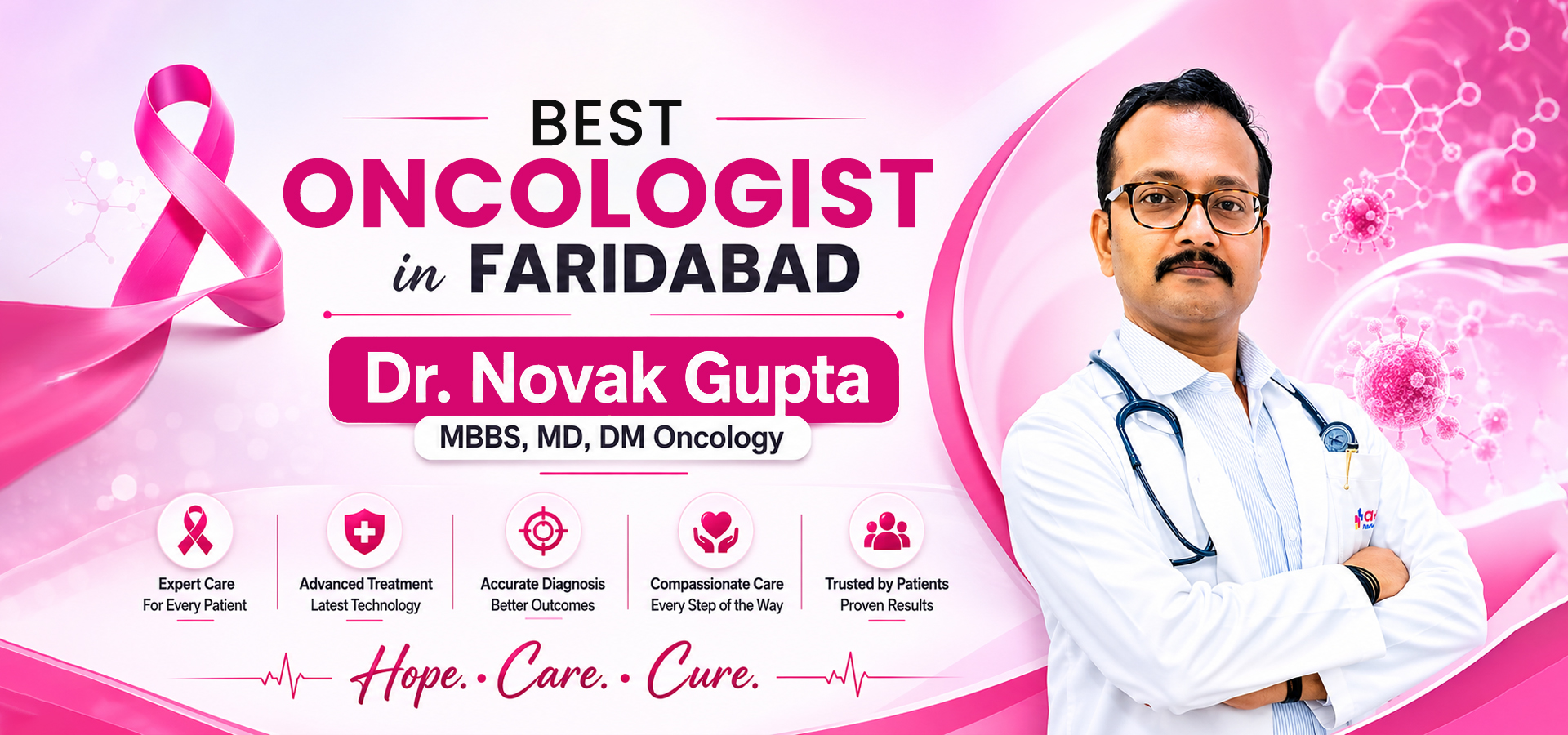
Patients searching for the best oncologist in Faridabad should consider qualifications, experience with the specific cancer type, access to diagnostic facilities, treatment options, multidisciplinary support, and clear communication.
Patients should ask questions about the diagnosis, treatment goals, possible side effects, expected benefits, alternatives, and follow-up care. A second opinion can also be considered before major treatment decisions.
Major Cancer Treatment Options
Treatment depends on the type and stage of cancer and the patient's overall health. Some patients need a single treatment, while others require a combination.
Surgery
Surgery may be used to remove a tumor when it can be safely treated through an operation. The type of surgery depends on the tumor's size, location, and stage.
Chemotherapy
Chemotherapy uses medicines to destroy or control cancer cells. It may be given before surgery, after surgery, or as part of treatment for advanced disease.
Radiation Therapy
Radiation therapy uses high-energy radiation to damage cancer cells. It can be used to treat certain tumors, reduce recurrence risk, or manage symptoms in selected cases.
Targeted Therapy
Targeted medicines act on specific characteristics of cancer cells. Doctors may perform specialized tests to determine whether a tumor has features that could respond to a particular targeted treatment.
Immunotherapy
Immunotherapy helps the immune system recognize and attack cancer cells. It can be useful for certain cancer types and selected patients.
Kidney Cancer Care
Kidney cancer develops in the tissues of the kidney. Some kidney tumors are discovered after symptoms appear, while others may be found incidentally during imaging for another medical issue.
Treatment depends on tumor size, location, stage, kidney function, and overall health. Options may include surgery, active surveillance in selected cases, ablation, targeted medicines, immunotherapy, or combinations of treatments.
Patients considering expert kidney cancer treatment in Faridabad should undergo appropriate diagnostic evaluation and discuss individualized treatment choices with a qualified specialist.
Liver Cancer Care
Liver cancer may originate in the liver or occur when cancer from another organ spreads to the liver. Primary liver cancers can be associated with certain chronic liver conditions.
Treatment decisions depend on tumor size, number, location, cancer stage, liver function, underlying liver disease, and general health.
Depending on the individual diagnosis, treatment may include surgery, ablation, liver-directed procedures, radiation in selected situations, systemic medicines, or other specialized therapies.
People seeking expert liver cancer treatment in Faridabad should undergo suitable diagnostic tests and staging before treatment decisions are made. A specialist can explain which options may be appropriate.
Managing Treatment Side Effects
Cancer treatments can cause side effects such as fatigue, nausea, appetite changes, hair loss, pain, skin changes, or changes in blood counts. The severity and type of side effects vary from person to person.
Patients should inform their healthcare team about new or worsening symptoms. Doctors can recommend medicines, nutritional support, rehabilitation, or other measures to manage treatment-related problems.
Patients should not stop prescribed treatment or begin unproven therapies without consulting their healthcare team.
Nutrition and Lifestyle During Cancer Care
Adequate nutrition can help patients maintain strength during treatment. However, dietary requirements depend on the cancer type, treatment, symptoms, and overall health.
Patients should discuss significant dietary changes and supplements with their medical team. Adequate hydration, appropriate physical activity, sufficient rest, and avoiding tobacco can support overall well-being.
Family members can help by preparing suitable meals, assisting with appointments, and offering emotional support.
Follow-Up and Recovery
Cancer care continues after the main treatment is completed. Follow-up appointments help doctors monitor recovery, manage lasting side effects, review test results, and check for recurrence when appropriate.
Recovery varies from patient to patient. Some people return to regular activities quickly, while others may require rehabilitation and longer-term support.
Patients should follow their recommended follow-up schedule and report new or persistent symptoms to their healthcare team.
Cancer Prevention
Not every cancer can be prevented, but certain lifestyle choices can reduce the risk of some cancers. Avoiding tobacco, maintaining a healthy weight, eating a balanced diet, staying physically active, limiting alcohol, and protecting the skin from excessive ultraviolet exposure can contribute to cancer prevention.
Vaccination against HPV and hepatitis B can help prevent certain infections associated with cancer. Recommended screening can also support early detection in eligible individuals.
Conclusion
Cancer treatment involves several stages, including awareness, early evaluation, accurate diagnosis, staging, personalized treatment, supportive care, and follow-up. For residents of Faridabad, seeking timely professional advice when persistent or unusual symptoms occur can help avoid unnecessary delays.
Because every cancer is different, treatment should be tailored to the patient's specific diagnosis, stage, tumor characteristics, and overall health. With appropriate specialist guidance, evidence-based treatment, supportive care, and regular monitoring, patients and families can approach cancer care with greater awareness and confidence.
Comments