Hair loss affects both men and women, but the pattern, causes, and treatment goals often differ. With advancements in hair restoration, DHI hair transplant in Dubai has become a preferred option for individuals seeking natural-looking and precise results. While the core technique remains the same, there are important differences in how DHI Hair Transplant Dubai is planned and performed for men and women. Understanding these distinctions can help set realistic expectations and ensure satisfying outcomes.
Understanding DHI Hair Transplant
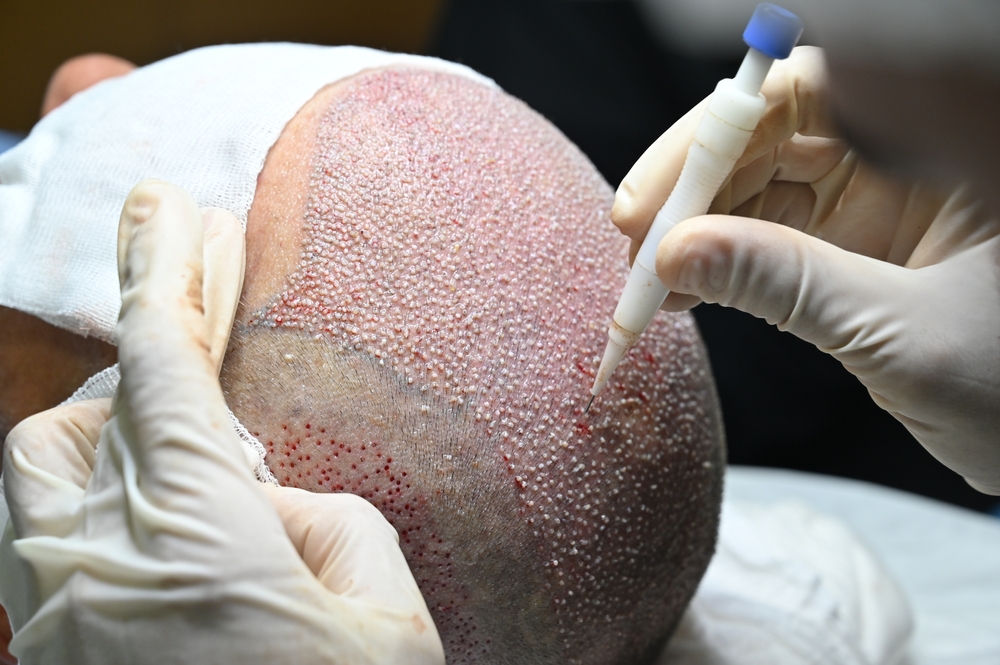
DHI, or Direct Hair Implantation, is an advanced hair transplant technique derived from FUE. It uses a specialized implanter pen that allows extracted hair follicles to be implanted directly into the scalp without creating channels beforehand. This method provides better control over angle, depth, and direction, making it ideal for detailed and customized hair restoration in both genders.
Hair Loss Patterns in Men vs Women
Male Hair Loss Characteristics
Male hair loss usually follows a predictable pattern. It often begins with a receding hairline or thinning at the crown and progresses over time. This pattern makes it easier to identify areas that need restoration and to design a strong, masculine hairline.
Female Hair Loss Characteristics
Female hair loss is typically more diffuse. Instead of complete bald spots, women experience overall thinning, especially along the part line and top of the scalp. Preserving existing hair and maintaining volume are key priorities in DHI hair transplant for women.
Key Differences in DHI Hair Transplant for Men & Women
Hairline Design
Hairline design is one of the most noticeable differences. For men, the goal is often to recreate a defined and natural-looking hairline that complements facial features. For women, the focus is on softening the hairline and increasing density without lowering it too much, ensuring a feminine and natural appearance.
Donor Area Management
In men, the donor area is usually shaved completely to allow efficient extraction of grafts. Women often prefer unshaven or partially shaved techniques to maintain discretion. This approach requires extra precision but helps preserve the existing hairstyle.
Implantation Density and Direction
Men generally require higher density in specific areas such as the front hairline or crown. Women benefit from evenly distributed implantation to improve overall thickness. The direction and angle of implantation also vary to match natural growth patterns unique to each gender.
Treatment Goals
The primary goal for men is often coverage of bald areas and long-term hairline stability. For women, the aim is to enhance volume, reduce scalp visibility, and achieve a fuller look while blending seamlessly with existing hair.
Benefits of DHI Hair Transplant for Both Genders
Despite the differences, DHI hair transplant in Dubai offers shared advantages for men and women. These benefits include:
High precision and natural hair growth direction
Minimal scarring and reduced trauma
Faster healing and recovery time
Better graft survival rate
Suitable for scalp, eyebrow, and beard restoration
Recovery and Results for Men & Women
Recovery after a DHI hair transplant is similar for both genders. Mild redness or swelling may occur but usually subsides within days. Shedding of transplanted hair is a normal phase, followed by gradual regrowth. New hair typically starts appearing within three to four months, with full results visible between nine and twelve months. Both men and women enjoy permanent, natural-looking results when proper aftercare is followed.
Who Is an Ideal Candidate?
Men and women with stable hair loss, a healthy donor area, and realistic expectations are suitable candidates. DHI hair transplant in Dubai is especially beneficial for individuals seeking detailed hairline work, dense implantation, and a minimally invasive procedure.
Conclusion
DHI hair transplant in Dubai is a versatile and advanced solution for both men and women, but the approach varies based on hair loss patterns, aesthetic goals, and styling preferences. Men typically focus on hairline restoration and coverage, while women prioritize volume and natural density. By understanding these key differences, individuals can make informed decisions and achieve results that look natural, balanced, and long-lasting.
FAQs About DHI Hair Transplant in Dubai for Men & Women
Is DHI hair transplant suitable for both men and women?
Yes, DHI hair transplant is effective for both genders and can be customized according to individual hair loss patterns.
Do women need to shave their hair for DHI hair transplant?
In many cases, women can undergo DHI with partial or no shaving, depending on the treatment plan.
Are the results different for men and women?
The technique is the same, but results differ in design and density to match masculine or feminine aesthetics.
How long do DHI hair transplant results last?
Transplanted hair is generally permanent and continues to grow naturally over time.
Can DHI be combined with other hair restoration treatments?
Yes, it can complement other non-surgical hair loss treatments for improved overall results.
Comments