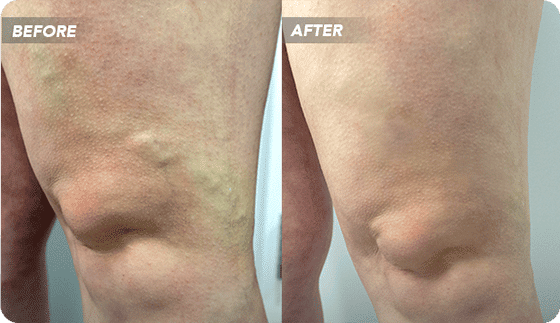
Varicose veins affect millions of people, causing discomfort, swelling, and visible vein enlargement. Many patients explore advanced treatments like laser therapy to improve both health and appearance. A common question arises: Are varicose veins covered by insurance? The answer depends on several factors, including medical necessity, symptoms, and the type of treatment recommended. If you are considering care from Vein Treatment New Jersey, understanding insurance coverage can help you make informed decisions.
What Are Varicose Veins and Why Do They Need Treatment?
Varicose veins develop when vein valves weaken, causing blood to pool instead of flowing efficiently. This leads to bulging, twisted veins that often appear on the legs. While some people view them as a cosmetic concern, many experience symptoms such as:
- Leg pain or heaviness
- Swelling in the lower limbs
- Burning or throbbing sensations
- Skin discoloration or ulcers
When left untreated, varicose veins can worsen over time and lead to complications. That’s why many specialists, including providers at Vein Treatment New Jersey, recommend early diagnosis and appropriate treatment.
Does Insurance Cover Varicose Vein Treatments?
Insurance coverage for varicose vein treatment depends largely on whether the procedure is considered medically necessary or cosmetic.
- Medically necessary treatments: Usually covered if you have symptoms like pain, swelling, or skin changes.
- Cosmetic procedures: Typically not covered if the treatment is solely for appearance.
To determine eligibility, insurance companies often require documentation such as:
- A detailed medical history
- Evidence of symptoms
- Ultrasound results showing vein dysfunction
- Proof that conservative treatments (like compression stockings) were tried
Do Insurance Companies Cover Laser Treatment for Varicose Veins?
Laser treatment, including Endovenous Laser Therapy (EVLT), has become a popular option due to its minimally invasive nature and quick recovery time. But do insurance companies cover laser treatment for varicose veins?
The short answer: Yes, but only under certain conditions.
Insurance providers typically cover laser treatments if:
- The procedure treats underlying vein disease
- You experience significant symptoms
- A doctor confirms medical necessity
- Conservative treatments have failed
If the laser procedure is performed purely for cosmetic improvement, insurance is unlikely to cover the cost.
What Factors Influence Insurance Approval?
Several key factors determine whether your insurance will approve varicose vein treatment:
1. Severity of Symptoms
Insurance companies prioritize treatments that address pain, swelling, or serious complications over cosmetic concerns.
2. Diagnostic Testing
Ultrasound imaging helps confirm venous insufficiency, a major requirement for coverage.
3. Previous Treatments
Most insurers require patients to try non-invasive options like compression stockings before approving advanced procedures.
4. Physician Recommendation
A specialist’s evaluation plays a crucial role in proving that treatment is medically necessary.
At Vein Treatment New Jersey, specialists guide patients through these requirements to improve approval chances.
Types of Varicose Vein Treatments Covered by Insurance
If your condition meets medical criteria, insurance may cover several treatment options:
- Endovenous Laser Therapy (EVLT)
- Radiofrequency Ablation (RFA)
- Sclerotherapy (in some cases)
- Vein stripping (less common today)
Among these, laser treatment is often preferred due to its effectiveness and minimal downtime.
When Is Laser Treatment Considered Cosmetic?
Laser treatment may be classified as cosmetic if:
- You have no symptoms such as pain or swelling
- The veins are small and do not affect circulation
- The procedure aims only to improve appearance
In these cases, patients typically pay out-of-pocket. However, a consultation can clarify whether your condition qualifies for coverage.
How to Improve Your Chances of Insurance Coverage
If you’re wondering again, Are varicose veins covered by insurance?, the best approach is to prepare thoroughly. Here’s how you can improve approval odds:
- Schedule a consultation with a vein specialist
- Document all symptoms and their impact on daily life
- Follow prescribed conservative treatments
- Complete required diagnostic tests
- Submit all medical records to your insurance provider
Clinics like Vein Treatment New Jersey often assist patients with insurance paperwork and pre-authorization, making the process smoother.
Benefits of Laser Treatment for Varicose Veins
Laser therapy offers several advantages, especially when covered by insurance:
- Minimally invasive procedure
- Quick recovery time
- Reduced pain compared to surgery
- High success rate
- Minimal scarring
These benefits make it a preferred option for both patients and healthcare providers.
What Costs Should You Expect?
Even if insurance covers the procedure, you may still have some out-of-pocket expenses, including:
- Deductibles
- Copayments
- Coinsurance
The exact cost depends on your insurance plan. It’s always wise to verify coverage details before starting treatment.
Why Choose a Specialized Vein Clinic?
Selecting an experienced clinic ensures accurate diagnosis and effective treatment. A specialized center like Vein Treatment New Jersey provides:
- Comprehensive evaluations
- Advanced treatment options
- Assistance with insurance approvals
- Personalized care plans
Working with experts increases your chances of receiving both proper care and insurance support.
Final Thoughts: Are Varicose Veins Covered by Insurance?
So, are varicose veins covered by insurance? In many cases, yes—especially when the condition causes medical symptoms and affects your quality of life. Laser treatments are often included, provided they meet insurance criteria for medical necessity.
If you’re considering treatment, consult a qualified specialist who can evaluate your condition and guide you through the insurance process. With the right approach, you can receive effective care while minimizing financial stress.
Comments