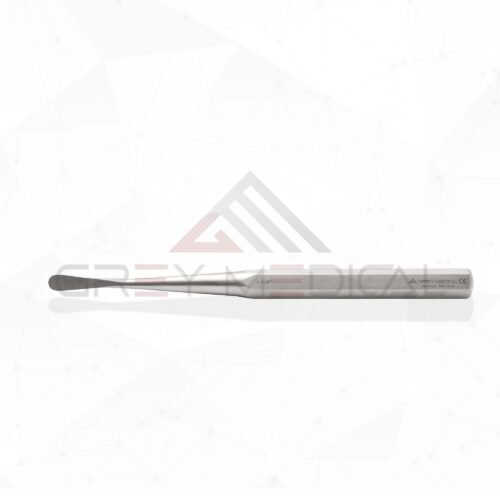
Elevator surgical instruments are specialized tools designed to lift, separate, retract, or manipulate tissue and other anatomical structures during surgical procedures. Their carefully engineered tips and ergonomic handles provide surgeons with controlled movement and precision. Depending on the design, Elevator surgical instruments may be used in orthopedic, ENT, dental, plastic, and general surgical procedures.
Design and Function of Elevator Surgical Tools
The design of an elevator surgical instrument varies according to its intended application. Some elevators feature thin, curved blades for delicate tissue separation, while others have broader and stronger working ends for lifting tissue or bone. High-quality construction helps provide reliable performance, smooth handling, and precise control during demanding procedures.
Applications in Modern Surgery
An elevator surgical tool can support surgeons in a wide range of clinical applications. In orthopedic procedures, elevators may assist with manipulating tissues around bones. ENT and plastic surgery may require specialized elevator designs for controlled tissue elevation and dissection. Dental procedures also commonly use elevators for carefully manipulating structures within the oral cavity.
Choosing Quality Surgical Elevators
Selecting the appropriate elevator surgical instrument requires consideration of the procedure, working-end design, size, material, and surgeon preference. Instruments manufactured from high-quality surgical-grade materials can offer durability and dependable performance. Proper balance and an ergonomic grip can also improve handling and help surgeons maintain control throughout a procedure.
GreyMedical®? Surgical Instrument Quality
GreyMedical®? is a privately owned medical technology company dedicated to innovation and excellence in the craft of surgical instruments. The company focuses on providing carefully designed instruments that support precision, functionality, and professional surgical requirements. Quality manufacturing and attention to instrument design are important considerations when selecting surgical tools for clinical environments.
Maintenance and Instrument Care
Proper cleaning, sterilization, inspection, and storage are essential for maintaining surgical instruments. After use, instruments should be processed according to applicable institutional and manufacturer guidelines. Regular inspection can help identify wear, damage, or changes in instrument performance. Appropriate maintenance contributes to the longevity and reliability of surgical equipment.
Conclusion
An single toothed tenaculum is an important tool for procedures requiring controlled tissue or anatomical structure manipulation. With suitable design, quality construction, and proper maintenance, these instruments can provide surgeons with dependable handling and precision. Choosing the right elevator according to the intended surgical application can help support efficient and controlled procedures while meeting professional surgical instrument requirements.
Comments