Facial Trauma Treatment: What Patients Need to Know
Introduction
Facial trauma refers to injuries affecting the skin, muscles, nerves, bones, and other structures of the face. These injuries commonly occur due to road accidents, sports-related incidents, accidental falls, workplace accidents, or physical assault. Depending on the severity, facial trauma may cause swelling, bleeding, fractures, difficulty chewing, or changes in facial appearance. Some injuries require basic medical care, while others need immediate evaluation and specialised surgical intervention. Star Hospital provides medical evaluation and treatment guidance for patients experiencing facial injuries, helping them understand their condition and available care options.
Understanding the causes, warning signs, diagnostic procedures, and treatment methods is essential for patients and families. Timely medical attention can help reduce complications, preserve important facial functions, and support better recovery outcomes.
What Is Facial Trauma?
Facial trauma refers to physical damage affecting the soft tissues or underlying bones of the face. Injuries may involve the forehead, nose, cheeks, lips, jaw, mouth, or areas surrounding the eyes.
Facial trauma is generally classified into two categories:
Soft Tissue Injuries: These include cuts, bruises, abrasions, burns, and wounds affecting facial skin, muscles, or nerves.
Facial Bone Injuries: These involve fractures affecting the nose, cheekbones, upper jaw, lower jaw, or eye sockets.
Some patients may experience both types simultaneously, requiring comprehensive medical assessment.
Common Causes of Facial Trauma
Several situations can result in facial injuries, including:
Road Accidents: Sudden impact during car, motorcycle, or bicycle accidents can cause serious facial damage.
Sports Injuries: Contact sports and accidental collisions may result in cuts, fractures, or dental injuries.
Accidental Falls: Falling from stairs, bicycles, or elevated surfaces can injure facial structures.
Workplace Incidents: Machinery, falling objects, and industrial accidents may cause significant trauma.
Physical Assault: Direct blows to the face can damage soft tissues and underlying bones.
The severity depends on the force of impact, injury location, and associated complications.
Warning Signs and Symptoms of Facial Trauma
Recognising early symptoms is important for identifying injuries that require medical attention.
Common symptoms include:
Facial pain, tenderness, and swelling.
Bruising around the eyes, nose, or cheeks.
Bleeding from the nose or mouth.
Difficulty opening the mouth or chewing.
Changes in facial shape or symmetry.
Numbness affecting the lips, cheeks, or jaw.
Loose teeth or changes in dental alignment.
Blurred or double vision.
Severe bleeding, breathing difficulties, sudden vision loss, confusion, or loss of consciousness require immediate emergency medical attention.
How Is Facial Trauma Diagnosed?
Accurate diagnosis helps doctors identify the affected structures and determine suitable treatment options.
Physical Examination
Doctors examine the injured area for swelling, wounds, tenderness, facial asymmetry, and possible nerve damage.
They may also assess jaw movement, dental alignment, eye function, and facial sensation.
Diagnostic Imaging
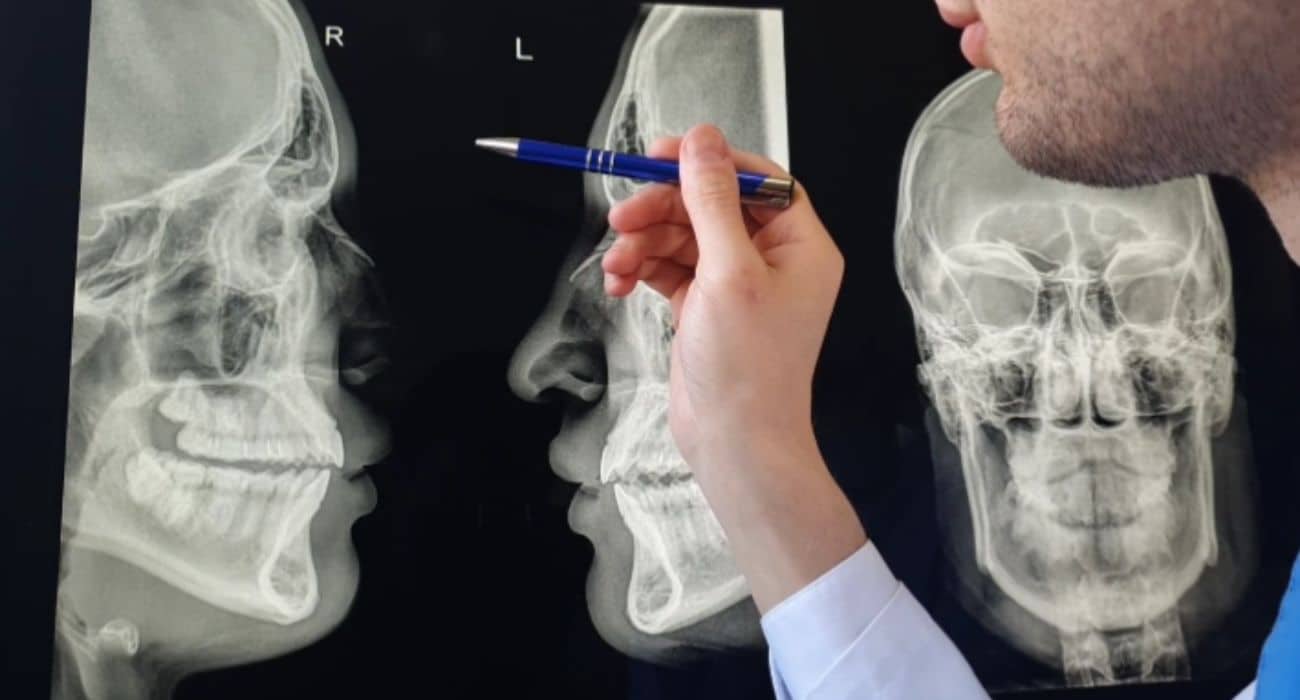
Imaging investigations help identify fractures and internal injuries that may not be visible externally.
CT Scan: Provides detailed images of facial bones and is particularly useful for evaluating complex fractures.
X-rays: May be recommended for selected bone injuries.
Dental Examination: Helps identify associated tooth or jaw damage.
Eye Examination: Important when injuries involve the orbital region or cause visual disturbances.
The diagnostic approach depends on the patient's symptoms and injury severity.
Facial Trauma Treatment Options
Treatment depends on the type of injury, affected structures, fracture severity, and overall patient condition.
Non-Surgical Treatment
Minor cuts, bruises, and selected stable fractures may be managed without surgery.
Treatment may include wound cleaning, prescribed medications, observation, temporary dietary adjustments, and scheduled follow-up appointments.
Doctors may also recommend protective measures to prevent additional pressure on injured facial structures.
Surgical Treatment
Complex fractures, displaced bones, deep wounds, or significant tissue damage may require surgical intervention.
Procedures can involve repairing damaged tissues, repositioning fractured bones, and stabilising facial structures using specialised plates or screws.
Consulting the best plastic surgeon in udaipur can help patients understand appropriate reconstructive treatment options when specialised facial surgery is required.
The main objectives are to restore normal facial appearance, preserve essential functions, and minimise long-term complications.
Recovery and Post-Treatment Care
Recovery duration varies depending on the severity of the injury, treatment method, and individual healing response.
Patients should carefully follow their doctor's instructions and attend scheduled follow-up appointments.
Important recovery recommendations include:
Keep wounds clean according to medical guidance.
Take prescribed medications as directed.
Avoid unnecessary pressure on injured facial structures.
Follow dietary restrictions when recommended.
Maintain appropriate oral hygiene.
Avoid strenuous physical activities until medically cleared.
Increasing pain, persistent swelling, fever, or new vision problems should be reported promptly.
Importance of Early Medical Attention
Delaying medical treatment after significant facial trauma can increase the risk of complications, including infection, improper bone healing, facial asymmetry, and persistent functional difficulties.
Even injuries that appear minor externally may involve underlying bone or tissue damage.
A multidisciplinary healthcare facility, including a women's hospital Udaipur offering relevant specialist services, may support coordinated medical evaluation when patients require care across different departments.
How Can Facial Injuries Be Prevented?
Although accidents cannot always be avoided, certain precautions can reduce the risk of facial trauma.
Wearing helmets while riding motorcycles, using seat belts, following workplace safety guidelines, and wearing protective sports equipment are important preventive measures.
Maintaining safe surroundings for children and older adults can also help reduce fall-related injuries.
Conclusion
Facial trauma can affect physical appearance and essential functions such as breathing, speaking, chewing, and vision. Understanding warning signs, obtaining an accurate diagnosis, and following appropriate treatment recommendations are important for achieving favourable recovery outcomes.
With timely medical intervention and proper follow-up care, many patients can regain normal facial function and appearance. Star Hospital focuses on providing patient-centred medical care and specialised treatment guidance to support individuals throughout their diagnosis, treatment, and recovery journey.
Comments