Finding the Right Doctor for Breast Exams and Early Detection
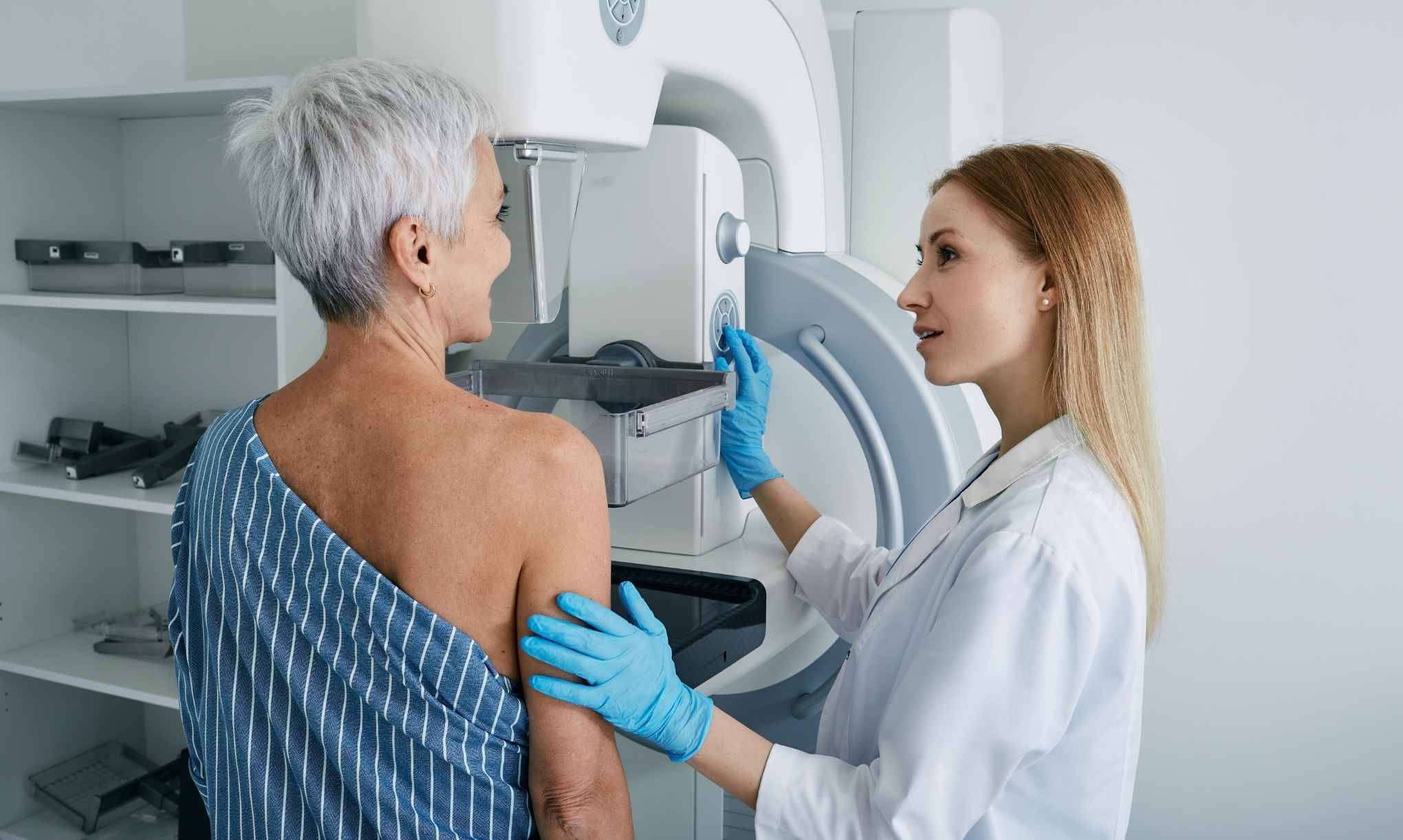
Choosing a breast exam doctor isn't always something women think through carefully. Many just go with whoever is available, whoever their friend recommended, or whoever happens to be in-network. But breast health deserves more intentional thought than that, especially since a consistent, trusted provider makes early detection far more effective over time.
Why the Right Doctor Makes a Difference
Early detection depends heavily on a doctor's ability to recognize subtle changes, and that ability improves the more familiar they become with a patient's normal breast tissue. A breast exam doctor who sees the same patient year after year develops a clearer sense of what's typical for that individual, which makes it easier to spot something that isn't.
This continuity matters because breast tissue varies enormously from person to person. Density, texture, and even the presence of benign lumps differ widely, and a doctor unfamiliar with a patient's baseline may either miss something subtle or cause unnecessary alarm over something that's actually normal for that patient.
What a Clinical Breast Exam Involves
A clinical breast exam is a physical exam performed by a doctor or nurse practitioner, separate from imaging like mammograms. Understanding what it involves helps demystify the appointment.
During the exam, the doctor typically:
- Visually inspects the breasts for changes in size, shape, skin texture, or symmetry
- Checks for skin dimpling, redness, or nipple changes
- Uses the pads of their fingers to feel the breast tissue in a systematic pattern, often in circular or vertical strips
- Checks the lymph nodes under the arms and near the collarbone for swelling or tenderness
The whole exam typically takes just a few minutes and is done as part of a routine wellness visit. It doesn't replace mammograms, but it catches certain things that imaging alone might not, particularly changes closer to the skin's surface.
Qualities to Look for in a Breast Exam Doctor
Finding the right doctor for breast exams comes down to a few practical considerations.
Experience and Specialization
Gynecologists and primary care doctors both perform clinical breast exams, but gynecologists often have more specialized training in breast health as part of women's reproductive care. A doctor who regularly performs these exams and stays current on screening guidelines brings more confidence to the process.
Communication Style
A good breast exam doctor explains findings clearly, whether normal or something that needs follow-up. Vague reassurance without explanation, or unexplained referrals for more testing, can leave patients anxious without good reason. Look for a doctor who takes time to answer questions directly.
Consistency Over Time
As mentioned earlier, seeing the same doctor consistently allows for better tracking of changes. When switching providers is unavoidable, bringing prior exam notes and mammogram results helps maintain that continuity.
Comfort Level
Breast exams involve a level of physical closeness that not everyone finds easy, especially for those with a history of trauma or general anxiety around medical exams. A doctor who creates a respectful, unhurried environment makes a real difference in whether patients keep up with regular exams.
Questions to Ask When Choosing a Doctor
Before committing to a long-term provider for breast exams, consider asking:
- How often do you recommend clinical breast exams for someone my age and risk level?
- What's your approach if you find something during an exam?
- Do you coordinate directly with imaging centers if additional testing is needed?
- How do you document findings for comparison at future visits?
- What breast self-exam guidance do you recommend between appointments?
The Role of Breast Self-Awareness Between Visits
While a breast exam doctor plays a central role, staying familiar with one's own body between appointments adds another layer of early detection. Rather than a rigid monthly self-exam routine, most current guidance encourages general breast self-awareness, meaning:
- Knowing what feels and looks normal for your own body
- Noticing changes in size, shape, skin texture, or nipple appearance
- Paying attention to new lumps, thickening, or persistent pain
- Reporting any changes to a doctor promptly rather than waiting for the next scheduled visit
This kind of ongoing awareness works alongside, not instead of, regular clinical exams and mammograms.
When to See a Breast Exam Doctor Outside of Routine Visits
Certain symptoms warrant an appointment sooner rather than waiting for the next annual visit:
- A new lump or thickened area that doesn't go away after a menstrual cycle
- Nipple discharge, especially if bloody or occurring without squeezing
- Changes in breast skin, such as dimpling, puckering, or redness
- Persistent breast pain in one specific area
- Nipple inversion or retraction that's new
Most of these symptoms turn out to be benign, but a prompt exam rules out anything more serious and provides peace of mind either way.
How Often Breast Exams Should Happen
Recommendations vary slightly by organization, but general guidance suggests:
- Clinical breast exams as part of an annual wellness visit for most adult women
- More frequent exams for women with a family history of breast cancer or other risk factors
- Coordination between clinical exams and mammogram screening starting around age 40, or earlier based on individual risk
A breast exam doctor familiar with a patient's full history can tailor these recommendations rather than applying a one-size-fits-all schedule.
Final Thoughts
Choosing the right breast exam doctor isn't just about convenience or insurance coverage. It's about building a relationship with a provider who understands what's normal for your body and takes the time to explain findings clearly. The team at Raleigh Gynecology and Wellness, PA prioritizes exactly this kind of continuity, offering thorough clinical breast exams as part of routine women's health care and taking every patient's questions and concerns seriously. Finding that consistent, trustworthy provider is one of the most valuable steps a woman can take for long-term breast health.
Comments