The Queen of the Night Flower, known for its rare and captivating blooms, is a fascinating plant that can transform any garden into a magical oasis. With large, fragrant, nocturnal flowers that bloom under the cover of darkness, this plant is a favorite among gardeners who love unique, eye-catching flora. Growing a Queen of the Night Flower requires some patience and attention to detail, but the reward is a spectacular display that enchants both the eyes and senses.
What is the Queen of the Night Flower?
The Queen of the Night Flower, scientifically known as Epiphyllum oxypetalum, is a type of night-blooming cactus. Unlike typical daytime flowers, this plant blooms at night and its flowers usually wilt by morning. Native to Central America, it thrives in warm climates but can also be grown indoors or in greenhouses in cooler regions.
The flowers are large, often measuring up to 8-12 inches in diameter, and exude a strong, sweet fragrance that attracts nocturnal pollinators like moths and bats. The allure of the Queen of the Night Flower lies not only in its beauty but also in the fleeting nature of its blooms, which makes each flowering event a special occasion.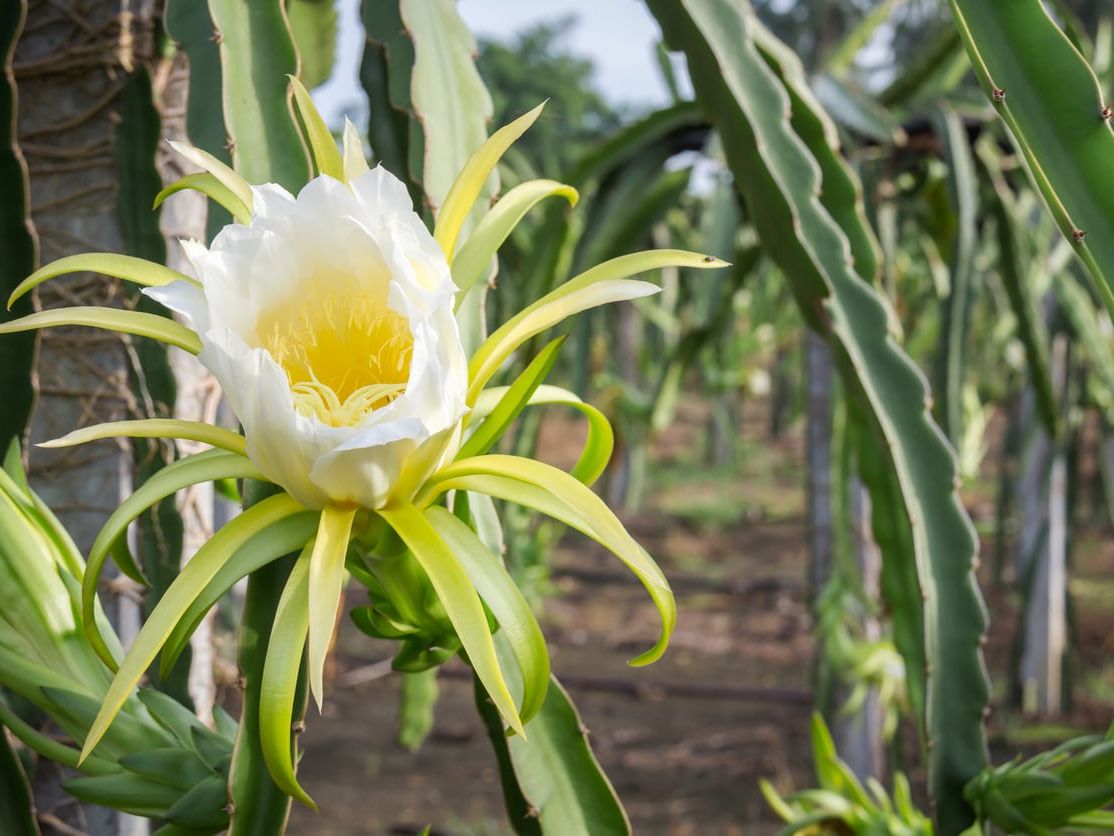
Choosing the Right Location
Sunlight Requirements
For optimal growth, the Queen of the Night Flower prefers bright, indirect sunlight. Direct sunlight can scorch its leaves, while too little light can prevent flowering. Outdoors, placing the plant in a partially shaded area is ideal. If grown indoors, positioning it near an east-facing window ensures it receives the right amount of light without exposure to harsh rays.
Temperature and Climate
Being a tropical cactus, the Queen of the Night Flower thrives in temperatures between 50°F and 90°F (10°C to 32°C). It is not frost-tolerant, so gardeners in colder climates should bring their plants indoors during winter or provide protection using frost covers. Maintaining a consistent temperature helps reduce stress and encourages more frequent blooming.
Soil and Planting Tips
The Queen of the Night Flower prefers well-draining soil rich in organic matter. A mix of cactus soil and compost or perlite ensures that the roots do not sit in water, which can lead to rot. When planting in pots, ensure that the container has drainage holes to allow excess water to escape.
When planting outdoors, choose a location with good drainage and slightly elevated soil. Mulching around the base can help retain moisture while protecting the roots from temperature fluctuations.
Watering and Fertilizing
Watering Guidelines
While the Queen of the Night Flower is a cactus, it does not thrive in dry, arid conditions like desert cacti. Water the plant thoroughly during the growing season, allowing the top inch of soil to dry between waterings. Overwatering can cause root rot, so it’s crucial to balance moisture levels carefully. During the dormant winter months, reduce watering significantly.
Fertilizing Tips
To encourage healthy growth and vibrant blooms, feed your Queen of the Night Flower with a balanced, water-soluble fertilizer every two to four weeks during the active growing season. Fertilizers with higher phosphorus content promote flowering. Avoid over-fertilizing, as excessive nutrients can harm the plant and reduce bloom quality.
Pruning and Maintenance
Regular pruning helps maintain the shape and health of the Queen of the Night Flower. Remove any dead, damaged, or yellowing stems to improve air circulation and prevent disease. Pruning after flowering encourages new growth, which can produce more blooms in the following season.
Support climbing stems with trellises or stakes if growing in a container or garden bed. This prevents the plant from sprawling uncontrollably and allows the flowers to be displayed more prominently.
Encouraging Blooms
Flowering in the Queen of the Night Flower can be sporadic, but several factors increase the likelihood of gorgeous blooms:
Mature Plant: The plant typically blooms once it reaches 3-5 years of age. Patience is key.
Light Exposure: Ensure adequate indirect sunlight throughout the day.
Temperature Fluctuations: Slight nighttime temperature drops can stimulate flower formation.
Stress Techniques: Controlled stress, such as reducing water slightly before the flowering season, may encourage the plant to bloom.
Observing these techniques and maintaining a consistent care routine increases the chances of witnessing the mesmerizing night-time blooms.
Pests and Diseases
The Queen of the Night Flower is generally hardy but can fall prey to common pests like aphids, mealybugs, and spider mites. Regular inspection and wiping the leaves with a mild insecticidal solution can prevent infestations. Root rot, caused by overwatering or poorly draining soil, is another common problem. Ensuring proper watering and soil conditions mitigates this risk.
Propagation Methods
Propagating the Queen of the Night Flower is relatively straightforward. Stem cuttings are the most common method:
Select a healthy stem segment and allow it to callous for a few days.
Plant the cutting in a well-draining cactus mix.
Keep the soil slightly moist until roots develop.
Propagation can also be done through seeds, though this method is slower and requires more patience to produce flowering plants.
Indoor Care Tips
If growing the Queen of the Night Flower indoors, choose a location with plenty of indirect light. Container plants benefit from rotation to ensure even light exposure. Humidity levels should be moderate; placing a water tray near the plant can provide extra moisture in dry indoor conditions. Indoor cultivation also allows for better protection from pests and frost.
Common Mistakes to Avoid
Overwatering: Leads to root rot and stunted growth.
Too much direct sunlight: Can scorch stems and leaves.
Neglecting pruning: Results in unruly growth and fewer blooms.
Impatience: Young plants may not bloom for several years.
By avoiding these mistakes, gardeners can enjoy healthy plants and spectacular blooms year after year.
Conclusion
The Queen of the Night Flower is a remarkable plant that captivates gardeners with its rare, fragrant nocturnal blooms. By providing the right environment, proper watering, nutrient-rich soil, and occasional pruning, anyone can cultivate this stunning plant successfully. Whether grown indoors or outdoors, the joy of seeing its large, luminous flowers unfold at night is unmatched, making every effort worthwhile. With patience, care, and attention to detail, your Queen of the Night Flower will reward you with breathtaking displays that turn your garden into a nocturnal paradise.
Comments