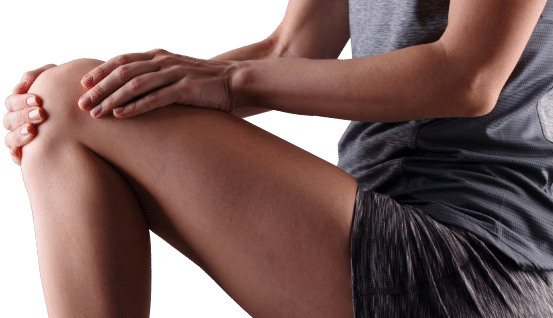
Knee pain is a common issue that affects millions of people worldwide. Whether caused by injury, arthritis, or overuse, it can significantly reduce mobility and affect the quality of life. One of the most effective ways to address knee pain is through professional physical therapy. In this article, we explore how physical therapy can help in knee pain recovery and why consulting knee pain treatment specialists is essential.
What Are the Common Causes of Knee Pain?
Understanding the root cause of knee pain is the first step toward effective recovery. Common causes include:
- Injuries: Ligament tears, meniscus injuries, and fractures can all contribute to severe knee pain.
- Arthritis: Osteoarthritis and rheumatoid arthritis lead to joint inflammation, stiffness, and discomfort.
- Overuse: Repetitive activities like running or jumping can strain knee muscles and ligaments.
- Biomechanical issues: Improper alignment of the legs or feet can result in chronic knee discomfort.
By identifying the specific cause, knee pain treatment specialists can design a personalized rehabilitation plan that addresses the underlying problem rather than just masking the pain.
How Does Physical Therapy Aid Knee Pain Recovery?
Physical therapy is a non-invasive and highly effective approach to managing knee pain. It focuses on restoring mobility, reducing discomfort, and strengthening muscles to prevent future injuries.
1. Pain Relief Through Targeted Exercises
Therapists use specific exercises to target the muscles surrounding the knee, including the quadriceps, hamstrings, and calves. Strengthening these muscles can alleviate pressure on the joint, reduce inflammation, and improve stability.
Low-impact exercises such as stationary cycling, swimming, or resistance band workouts are commonly recommended. Over time, patients often experience a significant reduction in pain, making daily activities more manageable.
2. Improving Joint Mobility and Flexibility
Knee stiffness can result from injury or prolonged inactivity. Physical therapy incorporates stretching routines that enhance joint flexibility and restore the natural range of motion.
For instance, therapists may guide patients through gentle stretches, such as heel slides or seated knee extensions, to prevent stiffness and promote healing. Improved flexibility also reduces the risk of future injuries, helping patients regain confidence in their mobility.
3. Strengthening Muscles to Support the Knee
Strong muscles play a vital role in knee stabilization. Physical therapy emphasizes strengthening exercises for the quadriceps, hamstrings, glutes, and hip muscles.
Stronger muscles absorb shock better and reduce strain on knee ligaments. This not only accelerates recovery but also helps prevent recurring pain episodes. Knee pain treatment specialists tailor these exercises to each patient’s specific needs, ensuring optimal results.
What Techniques Do Physical Therapists Use for Knee Pain Treatment?
Physical therapy is not a one-size-fits-all approach. Experts employ a combination of techniques to provide comprehensive knee pain treatment.
1. Manual Therapy
Manual therapy involves hands-on techniques such as joint mobilization and soft tissue massage. These methods improve circulation, reduce muscle tension, and promote healing.
For patients with arthritis or post-surgery stiffness, manual therapy can significantly enhance mobility and reduce discomfort.
2. Therapeutic Modalities
Physical therapists often use therapeutic modalities like heat and cold therapy, ultrasound, and electrical stimulation to manage pain and inflammation.
- Cold therapy reduces swelling after acute injuries.
- Heat therapy relaxes muscles and improves blood flow.
- Ultrasound and electrical stimulation can accelerate tissue healing and reduce chronic pain.
These modalities, combined with targeted exercises, provide a comprehensive approach to knee pain recovery.
3. Functional Training
Functional training focuses on improving movement patterns required in daily life. Physical therapists assess how patients walk, run, or perform sports activities and correct any abnormalities that contribute to knee pain.
By retraining proper movement mechanics, functional training reduces stress on the knee joint and minimizes the risk of reinjury.
When Should You Consult Knee Pain Treatment Specialists?
While mild knee pain can sometimes improve with rest and over-the-counter treatments, persistent or severe pain requires professional attention. You should consult knee pain treatment specialists if:
- Pain lasts more than a few weeks without improvement
- Swelling, redness, or warmth develops around the knee
- You experience instability, locking, or popping sounds
- Pain limits your ability to perform daily activities
Early intervention by Knee Pain Doctor NYC can prevent long-term joint damage and shorten recovery time.
How Long Does Recovery Take With Physical Therapy?
Recovery time depends on the cause and severity of knee pain. Minor injuries may improve within a few weeks of consistent therapy, while chronic conditions or post-surgical rehabilitation can take several months.
Physical therapists continually adjust treatment plans based on progress. Regular follow-ups and adherence to prescribed exercises at home are crucial for optimal results.
Can Physical Therapy Prevent Future Knee Problems?
Yes. One of the greatest benefits of physical therapy is prevention. Strengthening muscles, improving flexibility, and correcting movement patterns reduce the likelihood of recurring knee injuries.
Patients also learn strategies to protect their knees during sports, exercise, and daily activities. Incorporating these habits into everyday life helps maintain long-term joint health and reduces dependence on medication or surgery.
Why Choose Knee Pain Doctor NYC for Treatment?
Knee pain recovery requires specialized care tailored to each individual. Knee Pain Doctor NYC combines expert evaluation, personalized treatment plans, and advanced physical therapy techniques to ensure the best outcomes.
By working with experienced professionals, patients receive guidance on exercises, pain management strategies, and lifestyle modifications that accelerate healing and restore mobility.
Conclusion: Physical Therapy as a Key to Knee Pain Recovery
Physical therapy plays a vital role in the recovery of knee pain. By focusing on pain relief, mobility improvement, muscle strengthening, and functional training, it addresses the root causes of discomfort rather than just masking symptoms.
Consulting knee pain treatment specialists ensures a personalized approach, while consistent therapy under expert supervision increases the chances of full recovery. Whether dealing with an injury, arthritis, or chronic knee pain, physical therapy, guided by Knee Pain Doctor NYC, can significantly enhance your quality of life and help you regain independence.
Comments