How Does Kids Dance Build Rhythm And Musical Sense?
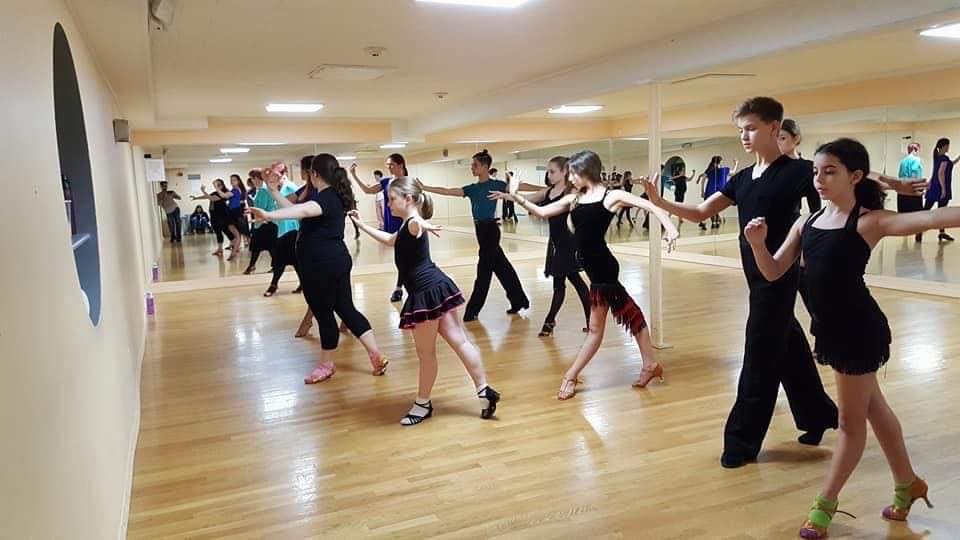
Kids dance classes provide more than just physical activity; they are essential for developing rhythm and musical awareness. Through structured exercises and playful movements, children learn to connect actions with music, enhancing timing, coordination, and listening skills. Dance encourages creativity, memory, and cognitive growth, while introducing melody, tempo, and harmony in an engaging way. Experiencing music through movement allows children to develop intuition for rhythm and musical patterns, creating a natural connection between sound and motion that forms the foundation for future musical and artistic skills.
Rhythm in Dance
Rhythm forms the foundation of all dance forms. Children learn rhythm through repetition, simple steps, and patterns that make musical timing tangible. Activities like clapping, tapping, and chanting help kids recognize strong and weak beats while internalizing tempo. Understanding pauses and variations in music strengthens timing skills that can support other musical activities, such as singing or learning instruments. Structured rhythm exercises transform abstract musical concepts into physical experiences, allowing children to feel the beat and reproduce it confidently while building coordination and focus at the same time.
Music and Movement Connection
Movement enhances musical learning by linking physical motion to sound. Kids develop rhythm and musical awareness by bouncing, spinning, or stepping on beats, creating a direct connection between music and their body. Repeating movements with tempo changes or different rhythms improves auditory recognition, helping children sense melody and timing intuitively. Dancing while listening develops muscle memory and sharpens the ability to anticipate beats. Over time, children naturally express what they hear, integrating musicality into physical movement and fostering a stronger, more instinctive understanding of rhythm and melody.
Cognitive Benefits of Dance on Musical Sense
Dance contributes significantly to brain development and musical intelligence. Auditory discrimination improves as children recognize pitch, tone, and rhythm variations. Memory strengthens through learning step sequences and routines, while pattern recognition develops as visual cues align with musical patterns. Planning movements according to music enhances executive function and attention span, teaching focus and precision. These cognitive skills build a solid foundation for artistic expression and creativity. Children gain confidence in their abilities while developing problem-solving skills, analytical thinking, and an intuitive understanding of musical structure through dance practice.
Role of Repetition and Practice
Consistent practice reinforces rhythm and musical sense in children. Kids dance classes involve repeating movements to various tempos and styles, allowing beats and patterns to become second nature. Exposure to multiple rhythms encourages adaptability, enabling children to recognize changes and maintain synchronization. Over time, they anticipate musical cues, develop confidence in performing complex sequences, and strengthen coordination. Practicing with variety also improves memory, timing, and physical responsiveness, creating a deeper connection between body and music. Repetition ensures musical understanding becomes intuitive rather than forced, forming lasting rhythm skills.
Social and Emotional Growth Through Dance
Group dance experiences promote social and emotional learning. Children learn to synchronize with peers, developing teamwork, empathy, and effective non-verbal communication. Dancing together requires patience, cooperation, and attention to others’ movements. Emotionally, dance provides a safe outlet for self-expression and confidence building. Sharing the joy of music and movement helps children develop pride in their accomplishments and reduces social anxiety. Participating in group activities fosters a sense of belonging, while the combination of rhythm, coordination, and collaboration strengthens emotional intelligence alongside musical and cognitive skills.
Types of Dance That Enhance Musicality
Different dance styles strengthen musical awareness in distinct ways. Ballet emphasizes timing, precision, and control, helping children recognize subtle tempo changes. Hip-hop teaches rhythm patterns, improvisation, and syncopation. Jazz encourages dynamic interpretation, expressive timing, and musical responsiveness. Folk and traditional dances connect movement with cultural rhythms and storytelling. Tap dance develops percussive skills, coordination, and a sense of tempo. Exposure to multiple dance forms broadens musical understanding, allowing children to adapt to varied beats, interpret rhythm creatively, and strengthen both musical and physical versatility in engaging ways.
Practical Activities to Boost Rhythm in Kids
Instructors use interactive exercises to improve rhythm and musical sense:
Clapping and tapping to different beats
Marching, stepping, or bouncing in time with music
Playing simple instruments like tambourines or drums
Mirroring instructor movements
Free movement to encourage creative musical expression
These activities make rhythm learning enjoyable and hands-on. Children develop a strong connection between movement and music, reinforcing timing, beat recognition, and coordination. Structured exercises combined with creative play ensure that children gain rhythm skills while remaining engaged, active, and motivated to explore music and dance together in a fun and meaningful way.
Conclusion
Kids dance fosters rhythm, musical sense, and overall cognitive growth. Structured classes, repetition, and playful movement allow children to internalize beats, synchronize actions, and express themselves musically. Dance contributes to coordination, memory, and attention span while promoting emotional intelligence and social skills. Early exposure encourages creativity, confidence, and an appreciation for music, providing a foundation for artistic expression. Integrating dance into daily life equips children with essential musical and movement skills, nurturing holistic development and lifelong enjoyment of music, rhythm, and creative movement.
Comments