How Does Temperature Influence The Performance Of Buffer?
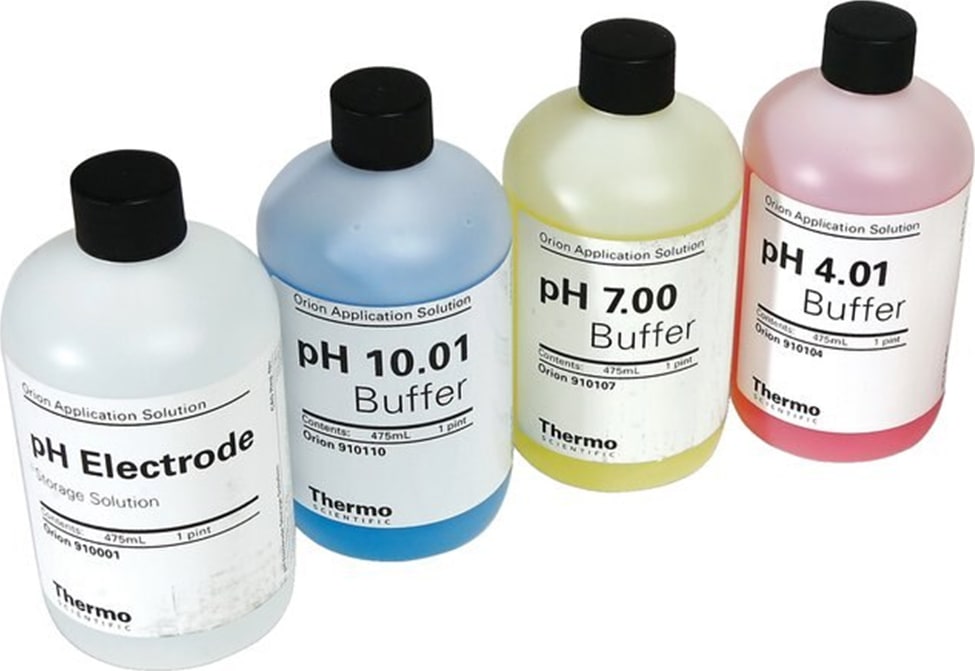
Temperature has a direct impact on the effectiveness of buffers in laboratory experiments. Using a Color-coded buffer set can simplify identification, but even minor temperature variations can alter pH stability and performance. This can compromise results in chemical reactions, biological assays, and industrial applications. Recognizing how temperature affects buffer systems helps researchers maintain accuracy and consistency in their experiments. Proper handling and monitoring are critical to prevent errors related to pH shifts and buffer degradation.
The Role of Buffers in Experiments
Buffers resist changes in pH when acids or bases are added. They are essential for chemical reactions, enzymatic studies, and sensitive analytical processes. Their efficiency depends on concentration, chemical composition, and environmental conditions like temperature. Using the correct buffer ensures consistent conditions, allowing experiments to proceed with predictable outcomes. Inaccurate pH management can lead to inconsistent data, affecting reproducibility and interpretation of results.
How Temperature Affects pH
The dissociation constants of acids and bases in buffers change with temperature. Increased temperature typically enhances ionization, which can raise or lower pH depending on the buffer. Lower temperatures slow reactions, reducing the buffer's ability to stabilize pH. Even small deviations can lead to significant errors in experiments requiring precise conditions. Monitoring temperature and using buffers suited to the expected range are key to maintaining reliable results.
Buffer Capacity and Temperature
Buffer capacity is the solution’s ability to resist pH changes. Extreme temperatures can disturb the balance between conjugate acids and bases, reducing this capacity. A weakened buffer may fail to maintain stable conditions, affecting experiments where precision is critical. Maintaining consistent temperature during preparation, storage, and use is essential. Proper handling prevents capacity loss and ensures repeatable outcomes in chemical and biological studies.
Common Buffers and Their Temperature Sensitivity
Certain buffers respond differently to temperature changes:
- Phosphate buffers: Slight pH decrease as temperature rises.
- Tris buffers: Highly temperature-dependent; pH drops with heat.
- Acetate buffers: Moderate sensitivity; remain stable across wider ranges.
- HEPES buffers: Low temperature effect; ideal for precise pH experiments.
Selecting a buffer based on temperature stability is crucial for experimental accuracy. - Practical Implications in the Lab
Maintaining proper temperature is vital for buffer performance. Labs should calibrate pH meters at the same temperature as the buffers. Buffers should be stored under recommended conditions to prevent degradation. Avoid prolonged exposure to temperature extremes, which may alter chemical composition. Consistently monitor temperature during experiments to prevent unexpected pH changes. Proper practices ensure reliable results and minimize errors due to thermal effects.
Tips to Minimize Temperature Impact
Using thermostated equipment ensures precise control over experimental conditions. Preparing fresh buffer solutions reduces degradation that occurs over time. Avoid repeated heating and cooling cycles, which can change buffer properties. Selecting buffers with low temperature sensitivity is advisable for critical assays. Consistent handling and careful storage maintain buffer reliability and experimental accuracy, minimizing the influence of thermal fluctuations.
Advanced Considerations
High-precision experiments may require temperature-adjusted pH readings or buffers specifically designed for thermal stability. Temperature-compensated electrodes can improve measurement accuracy. Automated monitoring systems provide real-time feedback on temperature and pH changes. These approaches reduce human error and ensure data consistency. Choosing buffers with minimal temperature dependence and integrating monitoring tools enhances reliability in sensitive chemical and biological procedures.
Color-Coded Buffers for Laboratory Efficiency
Color-coded buffer sets simplify identification and reduce handling errors. They allow researchers to quickly select the correct buffer without risking cross-contamination or mislabeling. This is particularly important when temperature affects pH, as misidentifying a buffer can compound errors. Color-coding, combined with proper temperature control, ensures consistent experimental conditions and reduces the risk of compromised results.
Conclusion
Temperature has a measurable effect on buffer performance, influencing pH stability and capacity. Proper buffer selection, temperature management, and careful handling are critical for consistent results. Using color-coded buffer sets further enhances laboratory efficiency and reduces errors. Understanding the thermal sensitivity of each buffer ensures that chemical reactions, assays, and industrial processes remain accurate and reproducible. Maintaining reliable conditions is essential for achieving precise, trustworthy data in all experimental settings.
FAQs
How does temperature affect buffer pH?
Temperature changes the dissociation of acids and bases, causing pH to rise or fall depending on the buffer system.
Which buffers are least sensitive to temperature changes?
HEPES buffers maintain stable pH across varying temperatures, making them ideal for precision experiments.
How can labs reduce temperature-related errors?
Use thermostated equipment, prepare fresh buffers, avoid repeated heating cycles, and monitor temperature consistently.
Does buffer capacity decrease at high or low temperatures?
Yes, extreme temperatures reduce the buffer’s ability to resist pH changes, compromising experimental accuracy.
Why are color-coded buffers beneficial?
They simplify identification, prevent mislabeling, and reduce errors, especially when temperature impacts pH stability.
Comments