How Long Do Pets Usually Mourn A Lost Friend?
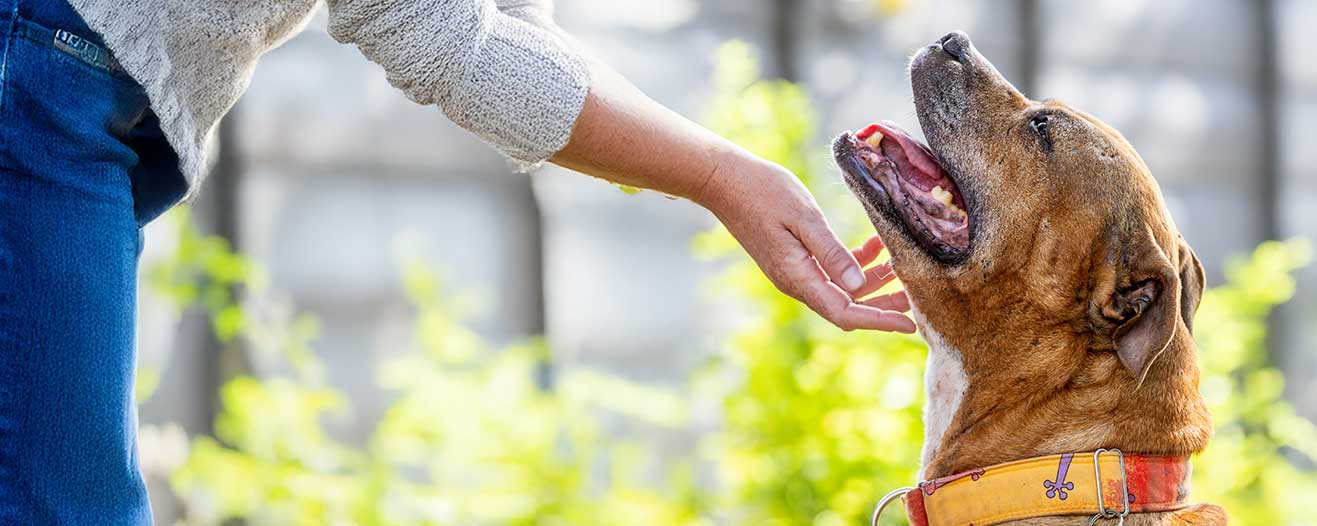
Pets are deeply sensitive and form strong emotional bonds with their companions. Losing a fellow pet or a close human can lead to noticeable changes in behavior, appetite, and energy. Owners often turn to grief support for pet loss to better understand and help their pets through this challenging period. The mourning process varies greatly depending on the species, age, personality, and the depth of the bond shared, making every pet’s experience unique. Awareness and gentle care are essential for guiding pets through grief.
Recognizing the Signs of Pet Grief
Pets show mourning in different ways, depending on temperament and species. Observing changes can help owners respond appropriately. Common signs include:
- Loss of appetite or overeating
- Increased sleep or lethargy
- Vocalizations such as whimpering, meowing, or chirping
- Searching for their lost companion
- Changes in playfulness or social interactions
Recognizing these behaviors early allows owners to offer comfort, maintain stability, and prevent prolonged stress, which is critical for emotional recovery.
Factors That Affect Mourning Duration
Several factors influence how long a pet grieves a lost companion. The strength of the bond is one key factor: pets deeply attached to a friend may mourn longer. Age and personality also play a role, as younger or adaptable pets recover more quickly while sensitive or older pets may require more time. Species differences matter too; social animals such as dogs, cats, and birds may experience grief more intensely than solitary species. Changes in routine or environment can either ease or prolong the mourning period.
Typical Mourning Periods for Pets
Mourning timelines vary by pet type, but general estimates can guide expectations. Dogs often grieve for several days to weeks, showing shifts in appetite, sleep, and activity levels. Cats may mourn for weeks or months, especially if the loss disrupts their daily routine. Small mammals like rabbits and guinea pigs grieve noticeably but typically for shorter periods. Social birds, such as parrots, may experience deep grief and lose interest in activities for weeks. Observing these signs helps owners offer appropriate comfort while allowing the pet to adjust naturally.
Ways to Help a Mourning Pet
Supporting a grieving pet can prevent long-term emotional issues. Maintaining consistent routines provides comfort, while spending extra quality time helps reassure the pet. Offering new toys or stimulating activities can encourage engagement and distract from sadness. Owners should avoid forcing interactions with other animals if the pet is not ready. Close monitoring of eating habits and overall health is important, and consulting a veterinarian may be necessary if negative behaviors persist. Gentle attention and patience can significantly aid the healing process.
When to Seek Professional Help
Professional guidance may be necessary if a pet struggles to recover naturally. Persistent loss of appetite or noticeable weight loss for several weeks warrants veterinary attention. Aggression, extreme withdrawal, or destructive behavior signals potential emotional distress. Pets showing signs of depression beyond the expected mourning period may benefit from intervention by a pet behaviorist or grief support program. Experts can provide tailored strategies to address emotional needs and prevent prolonged grief, ensuring the pet’s overall well-being during recovery.
Long-Term Coping and Adjustment
Pets gradually adjust to life after losing a companion. Maintaining familiar routines while gradually introducing new experiences helps them rebuild stability. Offering companionship, either human or animal, when the pet is ready can ease the adjustment process. Monitoring emotional and physical health over time ensures early detection of lingering stress or behavioral changes. Patience is crucial, as some pets regain normal behavior quickly, while others may carry subtle reminders of their lost friend for months. Consistent support fosters resilience and emotional recovery.
Emotional Benefits of Grief Support Programs
Pet grief support programs help owners understand the grieving process and provide resources for both the pet and human family members. These programs offer guidance on reading behavioral cues, maintaining emotional stability, and introducing gradual changes to the pet’s environment. Support groups and counseling sessions for owners reduce stress, improve coping strategies, and enhance the pet-owner bond. Such resources ensure that grieving pets receive attention and comfort without being overwhelmed, promoting a healthier transition and fostering long-term emotional well-being.
Conclusion
Pets grieve in unique ways, and no standard timeline exists for mourning. Recognizing signs of grief, offering consistent comfort, and seeking professional help when necessary ensures pets navigate loss successfully. Maintaining routines, providing companionship, and observing changes in behavior are crucial steps to support emotional adjustment. Utilizing grief support for pet loss resources can guide owners through the process, helping both pets and humans cope with bereavement. Compassion, patience, and awareness create an environment where pets feel secure while healing from the loss of a companion.
Comments