How Often Do You Need a Septic Tank Inspection?
If your home relies on a septic system, regular maintenance is essential—and one of the most important tasks is scheduling a septic tank inspection. But how often should this be done? In this article, we’ll explore the recommended inspection intervals and why this simple check can save you from major problems.
What Is a Septic Tank and How Does It Work?
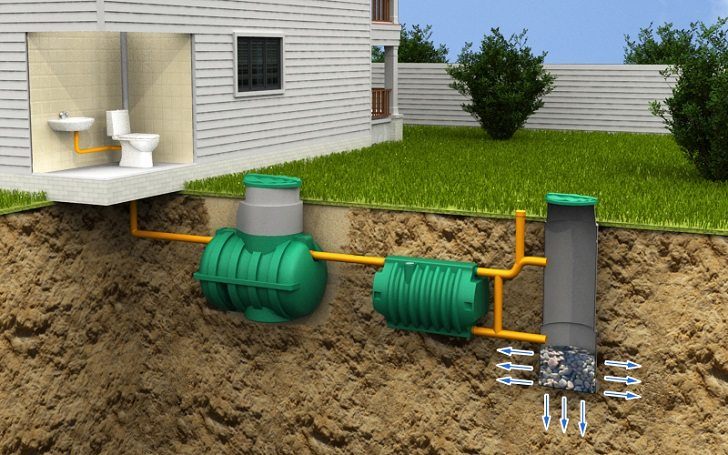
A septic tank is an underground wastewater treatment system commonly used in homes that aren’t connected to city sewer lines. When water from your sinks, toilets, and laundry drains away, it flows into the tank. Here, solids settle to the bottom, oils float to the top, and the remaining liquid moves into a drain field.
Over time, solids can build up, and the system can become inefficient or even fail. That’s why a septic tank inspection is so important—it helps ensure your system is functioning properly and avoids potential damage.
How Often Should You Inspect a Septic Tank?
Typically, a septic tank inspection is recommended every three to five years. However, the exact timing may vary depending on:
Number of Residents: Larger households produce more wastewater, which may increase the need for inspections.
Tank Size: Smaller tanks fill faster and may require more frequent monitoring.
Water Consumption: High water usage from showers, laundry, or dishwashing can strain your system.
Age of the System: Older systems may be more prone to issues and should be checked more often.
To be safe, consult a septic system professional to determine the right inspection schedule for your property.
Why Are Septic Tank Inspections Important?
Ignoring your septic system can lead to expensive repairs and serious health risks. Here’s why routine septic tank inspections matter:
1. Spot Problems Early
Inspections help identify minor issues—such as cracks, leaks, or buildup—before they turn into costly repairs.
2. Prevent Health Hazards
A failing septic system can release bacteria-laden wastewater into your home or yard. Regular inspections keep your environment clean and safe.
3. Maximize System Lifespan
With proper maintenance, including regular inspections and timely pumping, your septic system can last 20–30 years or more.
4. Protect the Environment
Leaking or overflowing systems can contaminate groundwater and nearby streams. Inspections help ensure your system isn't causing environmental harm.
What’s Included in a Septic Tank Inspection?
A professional septic tank inspection includes a complete check of the system to detect any issues. Here’s what the process typically involves:
Surface Check: Inspecting the ground around the tank and drain field for signs of leakage or damage.
Opening the Tank: The inspector opens the tank to assess water levels, sludge, and the condition of internal components.
Sludge Measurement: Special tools are used to measure how much solid waste has built up.
Drain Field Inspection: Checking the drain field for signs of failure, such as standing water or unpleasant odors.
Maintenance Recommendations: If pumping or repairs are needed, the inspector will provide guidance.
When Should You Schedule an Inspection Sooner?
Although every 3–5 years is the general rule, some warning signs mean it’s time to schedule a septic tank inspection right away:
Slow draining sinks, tubs, or toilets
Persistent odors near plumbing or outside
Wet or soggy patches in the yard
Sewage backing up into your home
Don’t wait—if you spot any of these issues, call a professional immediately.
Final Thoughts
Regular septic tank inspections are a vital part of maintaining a healthy, functional septic system. Inspections every three to five years are typically enough, but system age, household size, and water usage can influence how often they’re needed.
Staying proactive with inspections can help you:
Avoid major repairs
Keep your home and yard safe
Protect your local environment
Extend the life of your system
If you can’t remember your last septic tank inspection, now is the time to schedule one. Trust a reputable company like Guardian Angel Inspection Services to deliver a thorough and professional evaluation of your septic system.
Comments