How Often Should A Golden Retriever Be Groomed?
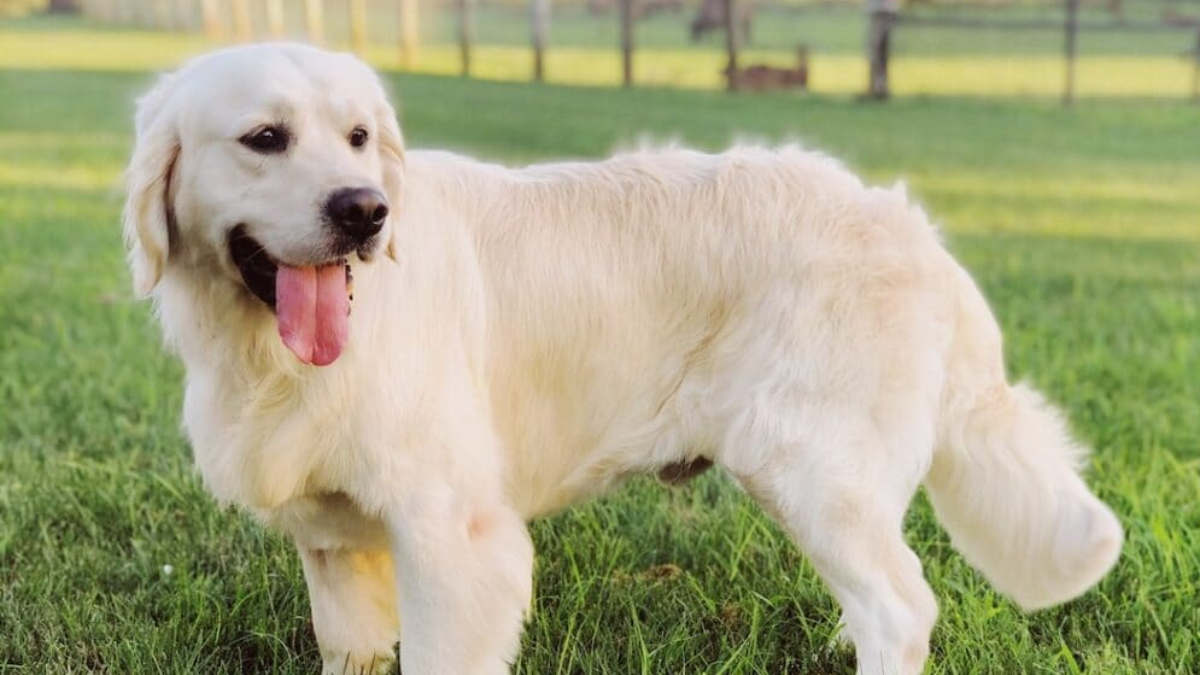
A Golden Retriever has a thick double coat designed for protection against weather and outdoor conditions. This coat naturally sheds throughout the year and requires regular maintenance to stay clean and healthy. An English cream golden retriever shares the same grooming needs, even though the coat may appear softer or lighter in tone. Grooming supports skin health, controls shedding, and prevents tangles in feathered areas. A consistent routine also helps owners detect early issues such as ticks, dry skin, or irritation. Proper grooming improves comfort for the dog while keeping the home environment cleaner and more manageable.
Grooming Frequency Overview
Golden Retrievers need frequent grooming due to continuous shedding and dense undercoat growth. Loose fur collects quickly, especially in high-friction areas like the chest, legs, and tail. Without regular grooming, this hair can form mats that pull on the skin and cause discomfort. Grooming also distributes natural oils across the coat, maintaining shine and softness. A structured schedule reduces shedding around the home and supports better skin health. Consistency is key, as irregular grooming allows dirt and dead hair to build up, making maintenance more difficult over time.
Recommended Grooming Schedule
A clear grooming schedule helps maintain coat health and prevents common issues. Brushing should take place three to five times weekly to control loose fur. Bathing every four to six weeks keeps the coat clean without removing natural oils. Professional grooming every six to eight weeks helps manage trimming and deep cleaning. Nail trimming every three to four weeks supports healthy movement and posture. Weekly ear cleaning reduces infection risks. During heavy shedding seasons, daily brushing becomes necessary to manage increased hair loss and maintain coat comfort.
Bathing Guidelines
Bathing a Golden Retriever requires balance to maintain coat health. Too much bathing can strip natural oils that protect the skin and coat, while too little allows dirt buildup. A mild shampoo designed for double-coated breeds works best for cleaning without irritation. Thorough rinsing is essential to remove residue that may cause itching or dryness. Drying should include towel drying followed by a low-heat blow-dry to reach the undercoat. Proper drying prevents moisture buildup, which can lead to odor, discomfort, or skin issues if left untreated.
Brushing Routine
Brushing is the most important part of Golden Retriever grooming. A slicker brush combined with an undercoat rake helps remove loose hair from both surface and deeper layers. Regular brushing prevents tangles in areas such as behind the ears, under the legs, and along the tail. This routine also spreads natural oils evenly, improving coat texture and shine. Brushing sessions provide an opportunity to check for ticks, skin irritation, or unusual lumps. Consistent brushing reduces shedding inside the home and keeps the coat lightweight and comfortable for daily activity.
Ear, Nail, and Paw Care
Ear, nail, and paw care are essential for maintaining overall health. Golden Retrievers have floppy ears that can trap moisture and debris, making weekly cleaning important to prevent infections. Nails should be trimmed regularly to avoid discomfort and posture issues caused by overgrowth. Paw pads also require inspection for cuts, cracks, or foreign objects after outdoor walks. Active dogs often encounter rough surfaces, making paw care especially important. Maintaining these areas improves mobility, reduces pain risks, and supports long-term comfort during daily movement and exercise.
Seasonal Shedding Management
Seasonal shedding is one of the biggest grooming challenges for Golden Retrievers. Shedding increases during spring and fall as the coat transitions between weather conditions. Daily brushing becomes necessary during these periods to control loose undercoat hair. An undercoat rake is particularly effective for removing dead fur before it spreads throughout the home. Increased vacuuming and washing of bedding also helps manage excess hair. Consistent grooming during seasonal shedding reduces matting, improves airflow through the coat, and keeps the dog more comfortable during temperature changes.
Professional Grooming
Professional grooming provides deeper care that cannot always be achieved at home. Groomers perform deshedding treatments, trim feathered areas, and clean difficult spots like under the paws and ears. These sessions also help identify early signs of skin problems or parasites. Scheduling professional grooming every six to eight weeks supports coat balance and hygiene. It also reduces overall shedding and keeps the coat shaped properly. Professional grooming complements home care and ensures the dog receives thorough maintenance that supports long-term coat and skin health.
Common Grooming Mistakes
Many grooming issues come from inconsistent care or incorrect methods. Overbathing removes natural oils that protect the coat, leading to dryness and irritation. Underbrushing allows loose hair to form mats that can become painful. Using human shampoo disrupts skin balance due to improper pH levels. Ignoring ear cleaning increases infection risks, especially in humid environments. Skipping seasonal shedding care results in heavy fur buildup around the home. Avoiding these mistakes helps maintain a healthy coat and ensures grooming sessions remain manageable and stress-free for both dog and owner.
Importance of Consistency in Grooming
Consistency in grooming builds long-term coat health and reduces maintenance challenges. A regular schedule prevents tangles, controls shedding, and keeps the skin in good condition. Dogs that receive steady grooming adjust more easily to brushing and bathing routines. Consistency also allows early detection of health concerns such as skin infections or parasites. Over time, regular grooming reduces stress during grooming sessions and improves overall hygiene. Maintaining a stable routine ensures the Golden Retriever remains comfortable, clean, and well cared for throughout all seasons.
Conclusion
Golden Retrievers require steady grooming habits to maintain a healthy coat and overall comfort. Regular brushing, controlled bathing, and structured professional grooming form the foundation of proper care. Attention to nails, ears, and paws supports mobility and hygiene. Seasonal shedding management helps control excess fur during peak periods. A consistent grooming routine ensures the coat stays clean, soft, and manageable. Long-term care not only improves appearance but also supports skin health and comfort, keeping the dog healthy and well-maintained throughout its life.
Comments