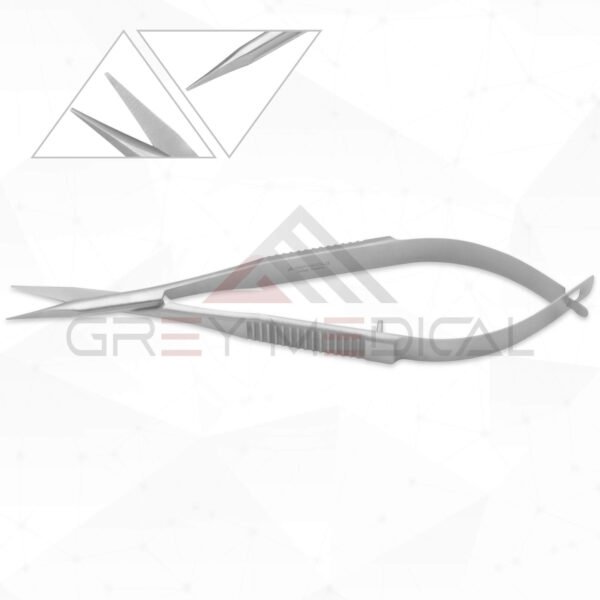
Surgical procedures demand absolute precision from start to finish. Every movement matters when you navigate delicate tissues and vital anatomical structures. Operating scissors serve as a direct extension of the surgeon's hand, allowing for controlled, deliberate tissue manipulation. Whether you are a medical student mastering your foundational skills or a dedicated healthcare professional refining your technique, understanding exactly how these instruments function is vital. At GreyMed, we believe that mastering your tools leads to better patient outcomes.
The Core Mechanics of Surgical Scissors
Surgical scissors do not function like standard household cutting tools. They are precision-engineered medical devices designed to interact with human tissue in highly specific ways. Understanding their mechanical action helps you apply the right amount of force during a procedure.
The Science of the Shearing Action
The operating scissors are used to cut cutting mechanism of operating scissors relies on a physical principle called shearing. Instead of pushing a single sharp edge straight down through material, scissors use two opposing blades that glide past one another. When you close the rings of the scissors, the blades come together at a specific pivot point. The sharp edges bypass each other with minimal clearance. This precise contact creates a concentrated shearing force that severs the tissue caught between the blades. A tight pivot ensures the blades do not splay apart, which would cause the tissue to fold or crush rather than cut cleanly.
Mayo vs. Metzenbaum Scissors
Mayo scissors feature a sturdy, heavy build. They are designed for cutting tough, dense tissues like fascia, muscle, or heavy connective tissue. You will often find them available in both straight and curved varieties. Straight Mayo scissors excel at cutting sutures, while curved versions help surgeons navigate deeper tissue planes. Metzenbaum scissors, on the other hand, boast a longer handle-to-blade ratio and a much more delicate profile. Surgeons use Metzenbaum scissors almost exclusively for cutting delicate tissues and for blunt dissection. Using them on heavy tissue or sutures will quickly ruin their fine alignment and dull their specialized edges.
Sharp vs. Blunt Dissection Techniques
Operating scissors perform two primary functions in the operating room: sharp dissection and blunt dissection. Mastering both techniques allows you to navigate complex anatomy safely and efficiently.
Precision with Sharp Dissection
Sharp dissection involves actively cutting through tissue using the shearing action of the blades. You use this technique when you need to sever structures cleanly, such as opening a fascial layer or removing a specific tissue mass. When performing sharp dissection, you must maintain steady control. Only the tips or the very edge of the blades should engage the tissue. This prevents accidental damage to surrounding nerves or blood vessels. Sharp dissection requires a highly maintained, razor-sharp edge to ensure the tissue separates cleanly without unnecessary trauma.
Tissue Separation via Blunt Dissection
Blunt dissection separates tissues along their natural anatomical planes without cutting them. This technique is crucial for isolating delicate structures, like blood vessels or nerves, without risking a catastrophic sharp injury. To perform blunt dissection, you insert the closed tips of the scissors into the tissue plane. You then gently open the blades. The smooth, rounded outer edges of the scissors push the tissues apart. Metzenbaum scissors are highly preferred for this technique due to their delicate, blunt tips and smooth outer contours.
Ergonomic Design for Surgical Precision
A surgeon's grip directly impacts their surgical precision. GreyMed recognizes that operating scissors must feature ergonomic designs to reduce hand fatigue during lengthy procedures.
Grip and Control Over the Blades
Proper handling dictates that you place your thumb and your ring finger into the instrument's rings. Your index finger rests along the shaft near the pivot point, while your middle finger supports the ring finger. This specific grip provides maximum stability. It allows you to control the exact angle of the blades and dictates the amount of force applied to the tips. Ergonomic ring designs prevent pressure points on your fingers, ensuring your hand remains steady and comfortable, even during complex, hours-long operations.
Best Practices for Maintaining Cutting Precision
Even the most flawlessly designed operating scissors will fail if you do not handle them correctly. Preserving the shearing edge requires strict adherence to handling protocols.
Proper Handling During Procedures
Never use surgical scissors for anything other than their intended purpose. As mentioned, cutting heavy materials or sutures with delicate Metzenbaum scissors will instantly degrade their cutting ability. Always hand instruments firmly to the surgeon, ensuring they can immediately adopt the correct ergonomic grip. During the procedure, wipe the blades frequently with a moist sponge to prevent blood and tissue from drying on the metal. Dried biological material can force the blades apart, compromising the crucial shearing action.
Concluding Summary: Essential Instrument Care
Operating scissors are fundamental tools that dictate the pace and safety of a surgical procedure. By understanding the shearing mechanics, respecting the differences between Mayo and Metzenbaum designs, and mastering both blunt and sharp dissection, you elevate your surgical proficiency. To protect your investment and ensure patient safety, prioritize rigorous instrument care. Always clean your scissors immediately after a procedure using approved enzymatic solutions. Inspect the pivot screw regularly for looseness, and test the blades on specialized testing materials to ensure they cut cleanly all the way to the tip. Routine professional sharpening and careful sterilization processes will keep your operating scissors performing flawlessly. Treat your instruments with the respect they deserve, and they will consistently deliver the precise cuts you need.
Comments