How Should Body Cream Be Stored For Optimal Freshness?
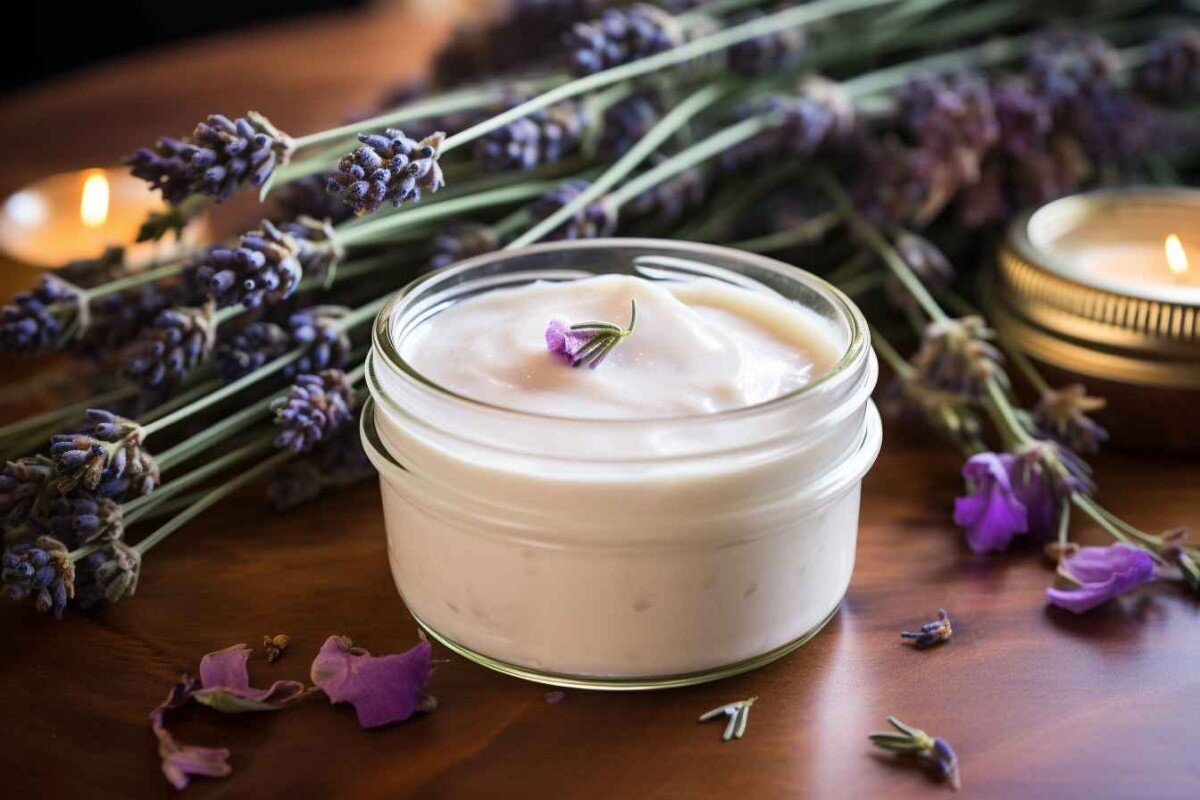
Proper storage of body cream ensures it keeps its nourishing properties and delivers maximum benefits to your skin. Products purchased from a 100% pure body cream store or prepared at home can lose effectiveness when exposed to heat, moisture, or light. Poor storage may cause separation, reduced fragrance, or bacterial growth. Understanding storage principles helps maintain texture, aroma, and hydration. Small adjustments in placement and handling can extend shelf life and allow your cream to provide smooth, soft, and healthy skin consistently.
Keep It Away From Heat Sources
Body creams are highly sensitive to temperature changes. Placing them near heaters, stoves, or sunlit windows can cause oils to separate and active ingredients to degrade. Even brief exposure to high heat can affect consistency and performance. Storing creams in a stable, cool location protects their texture and preserves the moisturizing and nourishing qualities. Avoid direct sunlight, as UV rays can deteriorate essential oils and fragrances. A consistently cool environment keeps creams smooth, effective, and pleasant for daily use without affecting their overall benefits.
Avoid Excessive Moisture
Moisture can negatively impact body cream texture and increase the risk of bacterial growth. Bathrooms, though convenient, are often humid, especially after showers. This environment may cause clumping or spoilage even in premium creams. Store products in a dry location with proper air circulation. When transferring creams to smaller containers, ensure the containers are completely dry. By reducing moisture exposure, creams retain their original consistency, fragrance, and effectiveness. This approach prevents clumping, preserves ingredient quality, and ensures the cream remains safe and enjoyable for skin application.
Use Air-Tight Containers
Air exposure accelerates oxidation and can compromise both fragrance and texture of body cream. Always ensure lids fit tightly and close containers immediately after use. For creams in jars, use a spatula instead of fingers to avoid contamination. Air-tight storage slows ingredient degradation and minimizes microbial growth. Consistently sealing products ensures every application feels smooth and performs as intended. This practice preserves moisturizing properties, active ingredients, and aroma. Proper sealing is a simple yet effective way to maintain the intended quality and longevity of your body cream.
Store in a Dark Place
Light, particularly sunlight, can negatively affect body cream. UV rays break down active ingredients, causing discoloration and loss of effectiveness. A dark drawer or cabinet provides the best protection. Even artificial lighting may affect sensitive formulations, so opaque containers are preferable. Dark storage preserves fragrance, texture, and consistency. Keeping creams away from light ensures products deliver consistent benefits to the skin. Choosing a shaded storage space prevents premature spoilage and maintains the nourishing properties of your creams for longer periods.
Pay Attention to Expiry Dates
Body creams contain natural oils and active ingredients that degrade over time. Always check the expiration date on the packaging. Using cream past its expiry can reduce effectiveness and may irritate skin. Note purchase dates to track freshness, particularly when multiple products are in use. Rotating products ensures older creams are used first, reducing waste and maintaining performance. Being mindful of expiry dates allows you to enjoy the full benefits of each product while protecting your skin. Proper rotation keeps your skincare routine safe, consistent, and effective.
Practical Storage Tips for Long-Lasting Cream
Applying small habits can help preserve body cream freshness and effectiveness. Follow these tips:
- Store creams in a cool, dry place away from heat and humidity.
- Keep containers tightly sealed to prevent air exposure.
- Use a clean spatula for jars instead of fingers.
- Avoid bathroom storage where humidity is high.
- Select opaque containers for light-sensitive formulations.
- Rotate older products to the front to maintain consistent use.
- Record purchase and expiry dates to avoid using outdated cream.
These simple practices ensure your cream stays effective and safe for daily use.
Travel Considerations
Traveling presents challenges for body cream storage, including temperature fluctuations and pressure changes. Use small, air-tight containers to prevent leaks. Store creams in insulated pouches if exposed to heat or sunlight. Avoid placing products in luggage compartments that can become extremely hot. Proper travel storage ensures creams retain their texture, fragrance, and hydration properties. Taking these precautions allows you to maintain your skincare routine on the go, protecting sensitive ingredients and ensuring the cream remains fresh, safe, and effective for use during trips.
Signs of Spoiled Cream
Even with proper storage, creams can eventually spoil. Watch for these signs:
- Unusual or rancid odor
- Separation of oils and solids
- Change in color or texture
- Presence of mold or particles
Discard any cream showing these indicators. Using spoiled products can irritate the skin and reduce benefits. Regularly inspecting your creams helps maintain a safe and effective skincare routine. Checking for freshness ensures every application provides consistent moisturizing, nourishing, and protective effects. This small habit safeguards both your skin and your investment in high-quality body creams.
Conclusion:
Storing body cream correctly is key to keeping it effective, safe, and enjoyable to use. Controlling temperature, moisture, air, and light exposure preserves both texture and active ingredients. Using clean applicators, dark storage, and tracking expiry dates maximizes product longevity. These steps ensure consistent hydration, softness, and nourishment. By following proper storage practices, you can enjoy the full benefits of your body cream every day, making it a reliable part of your skincare routine while preventing spoilage and waste.
Comments