How to Prevent Cavities and Maintain Good Oral Hygiene
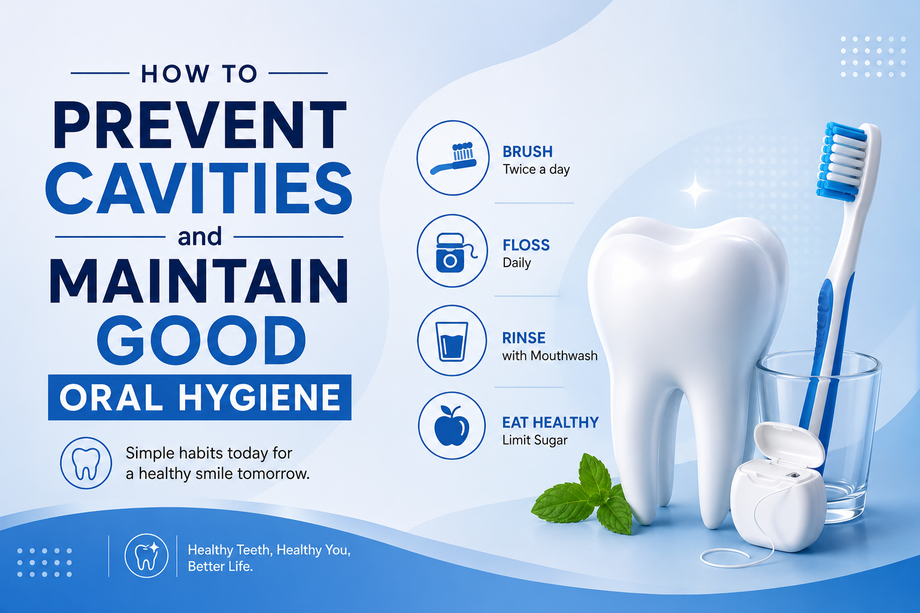
Cavities are among the most common oral health problems, but many cases can be prevented with consistent dental care and healthy daily habits. Cavities develop when bacteria in dental plaque produce acids that gradually damage tooth enamel. Maintaining good oral hygiene, limiting excessive sugar intake, and getting regular dental check-ups can significantly support healthy teeth and gums. Visiting a reliable Dental Clinic in Jaipur can also help identify early signs of decay and provide personalised preventive guidance.
Whether you are an adult, teenager, or parent caring for a child, understanding how cavities develop and how to prevent them can help protect your teeth for years to come.
What Causes Cavities?
Cavities, also called dental caries or tooth decay, develop when bacteria in the mouth interact with sugars and starches from food. This process produces acids that attack the enamel, the hard outer layer of the tooth.
Repeated acid attacks can weaken the enamel and eventually create a cavity. If decay continues untreated, it may reach deeper layers of the tooth and cause sensitivity, pain, or infection.
Several factors can increase the risk of cavities, including:
- Poor or inconsistent oral hygiene
- Frequent consumption of sugary foods and drinks
- Excessive snacking between meals
- Plaque buildup
- Dry mouth
- Insufficient fluoride exposure
- Certain medical or dental conditions
- Irregular dental check-ups
Knowing these risk factors can help you make better choices for your oral health.
1. Brush Your Teeth Twice a Day
Brushing is one of the simplest and most effective ways to control plaque. Brush your teeth twice a day, ideally in the morning and before going to bed.
Use a soft-bristled toothbrush and fluoride toothpaste. Fluoride helps strengthen tooth enamel and makes teeth more resistant to acid attacks.
Hold the toothbrush at an appropriate angle and gently clean the outer, inner, and chewing surfaces of your teeth. Avoid brushing too aggressively, as excessive pressure can contribute to enamel wear and gum irritation.
Replace your toothbrush or toothbrush head when the bristles become worn.
2. Clean Between Your Teeth
A toothbrush cannot effectively clean every space between your teeth. Food particles and plaque can accumulate in these areas and contribute to cavities and gum disease.
Use dental floss or another interdental cleaning method recommended by your dentist. Cleaning between the teeth once a day can help remove plaque from areas that brushing may miss.
If you find traditional floss difficult to use, ask a dental professional about suitable alternatives.
3. Reduce Frequent Sugar Consumption
Sugar does not directly create cavities, but oral bacteria use sugars to produce acids that can damage tooth enamel. The frequency of sugar exposure is particularly important.
Try to limit frequent consumption of:
- Sweets and chocolates
- Cakes and pastries
- Sugary soft drinks
- Sweetened juices
- Biscuits and packaged snacks
- Sugary tea or coffee
Instead of repeatedly snacking throughout the day, maintain regular meals and choose tooth-friendly snacks when possible.
4. Drink Plenty of Water
Water supports oral health in several ways. It helps wash away food particles and can reduce the effects of acids in the mouth. Fluoridated water can also contribute to enamel protection where fluoride levels are appropriate.
Drinking water after meals or snacks can be particularly useful when brushing immediately is not possible.
Staying hydrated may also help maintain normal saliva production. Saliva naturally helps neutralize acids and clear food particles from the mouth.
5. Do Not Ignore Early Dental Symptoms
Cavities may not always cause noticeable symptoms in their early stages. As decay progresses, you may experience sensitivity, toothache, visible discoloration, food getting stuck in a particular area, or pain while chewing.
Do not wait for severe pain before scheduling an appointment. Early evaluation can help identify dental problems and determine appropriate treatment.
Regular visits to a Dental Clinic in Jaipur can also help your dentist monitor changes in your teeth and gums.
6. Get Regular Dental Check-Ups
Routine dental examinations are an important part of preventive oral care. During a check-up, your dentist can examine your teeth and gums for signs of cavities, plaque buildup, gum disease, enamel wear, and other concerns.
Professional dental cleaning can also remove tartar that cannot be removed effectively through regular brushing.
Your dentist can recommend how frequently you should schedule appointments based on your oral health, dental history, and individual risk factors.
7. Consider Fluoride Protection
Fluoride is a naturally occurring mineral that helps strengthen tooth enamel and protect against tooth decay. Fluoride toothpaste is widely used as part of routine cavity prevention.
Depending on your dental needs, a dentist may also recommend professional fluoride treatments or other preventive measures.
Children may require age-appropriate fluoride guidance, so parents should follow recommendations from their child's dental professional.
8. Avoid Using Teeth as Tools
Your teeth are designed for eating, not opening packages, cutting materials, or breaking hard objects. Using your teeth as tools can cause chips, cracks, or other dental injuries.
Similarly, be cautious when chewing very hard foods or objects. Protecting the structure of your teeth can help prevent avoidable dental damage.
9. Maintain a Healthy Diet
A balanced diet supports overall health as well as oral health. Include nutritious foods such as vegetables, fruits, whole grains, dairy products, and other nutrient-rich foods according to your dietary needs.
Calcium and other essential nutrients contribute to maintaining healthy teeth and supporting structures. Limiting highly processed and sugary foods can further reduce cavity risk.
10. Take Special Care of Children's Teeth
Good oral hygiene should begin early. Parents can help children develop healthy habits by supervising brushing, limiting frequent sugary snacks, and scheduling age-appropriate dental check-ups.
Baby teeth are important because they support proper chewing, speech development, and spacing for permanent teeth. They should therefore receive proper care even though they will eventually be replaced.
As children grow, teach them how to brush properly and clean between their teeth.
The Role of Professional Dental Care
Home oral hygiene is essential, but professional dental care remains an important part of cavity prevention. A qualified dentist can identify risk factors, detect early dental changes, provide professional cleaning, and recommend preventive treatments when appropriate.
If you are looking for a Best Dentist in Vidhyadhar Nagar Jaipur, consider factors such as professional qualifications, experience, clinic hygiene, available dental services, communication, and patient-focused care. A good dentist should explain your oral health condition and provide recommendations suited to your individual needs.
Residents of Jhotwara can similarly look for a Best Dentist in Jhotwara who offers comprehensive preventive and restorative dental care. Choosing a conveniently located dental professional can make it easier to maintain regular check-ups and follow-up appointments.
When Should You Visit a Dentist?
You should schedule a dental appointment if you notice tooth sensitivity, persistent pain, bleeding gums, swelling, bad breath, visible holes or dark spots on teeth, or difficulty chewing.
You should also maintain routine check-ups even when your teeth feel healthy because some dental problems may develop without obvious symptoms.
Preventing cavities is a combination of daily oral hygiene, healthy eating habits, fluoride protection, and regular professional care. Brushing twice daily, cleaning between your teeth, limiting frequent sugar consumption, drinking water, and visiting a trusted Dental Clinic in Jaipur can help protect your teeth and gums. With consistent preventive care and guidance from a qualified Best Dentist in Vidhyadhar Nagar Jaipur or Best Dentist in Jhotwara, you can take meaningful steps toward maintaining a healthy, confident smile.
Frequently Asked Questions
How can I prevent cavities naturally?
Good oral hygiene, regular brushing with fluoride toothpaste, cleaning between your teeth, limiting frequent sugary foods and drinks, drinking water, and maintaining regular dental check-ups can help reduce the risk of cavities.
How many times should I brush my teeth?
For most people, brushing twice a day for about two minutes each time is recommended. Use fluoride toothpaste and a soft-bristled toothbrush.
Is sugar the only cause of cavities?
No. Cavities result from several factors, including oral bacteria, plaque, sugar and starch exposure, enamel strength, saliva, oral hygiene, and individual risk factors.
Can cavities be prevented completely?
No method can guarantee that cavities will never develop, but consistent preventive care can significantly reduce the risk. Regular dental examinations can also help detect problems early.
When should children start visiting a dentist?
Children should receive dental care early in life. Parents should discuss the appropriate timing and frequency of visits with a qualified pediatric or family dentist.
Is professional dental cleaning necessary if I brush regularly?
Yes. Brushing and interdental cleaning help control plaque, but hardened tartar generally requires professional removal. Your dentist can recommend an appropriate cleaning schedule based on your oral health.
Comments