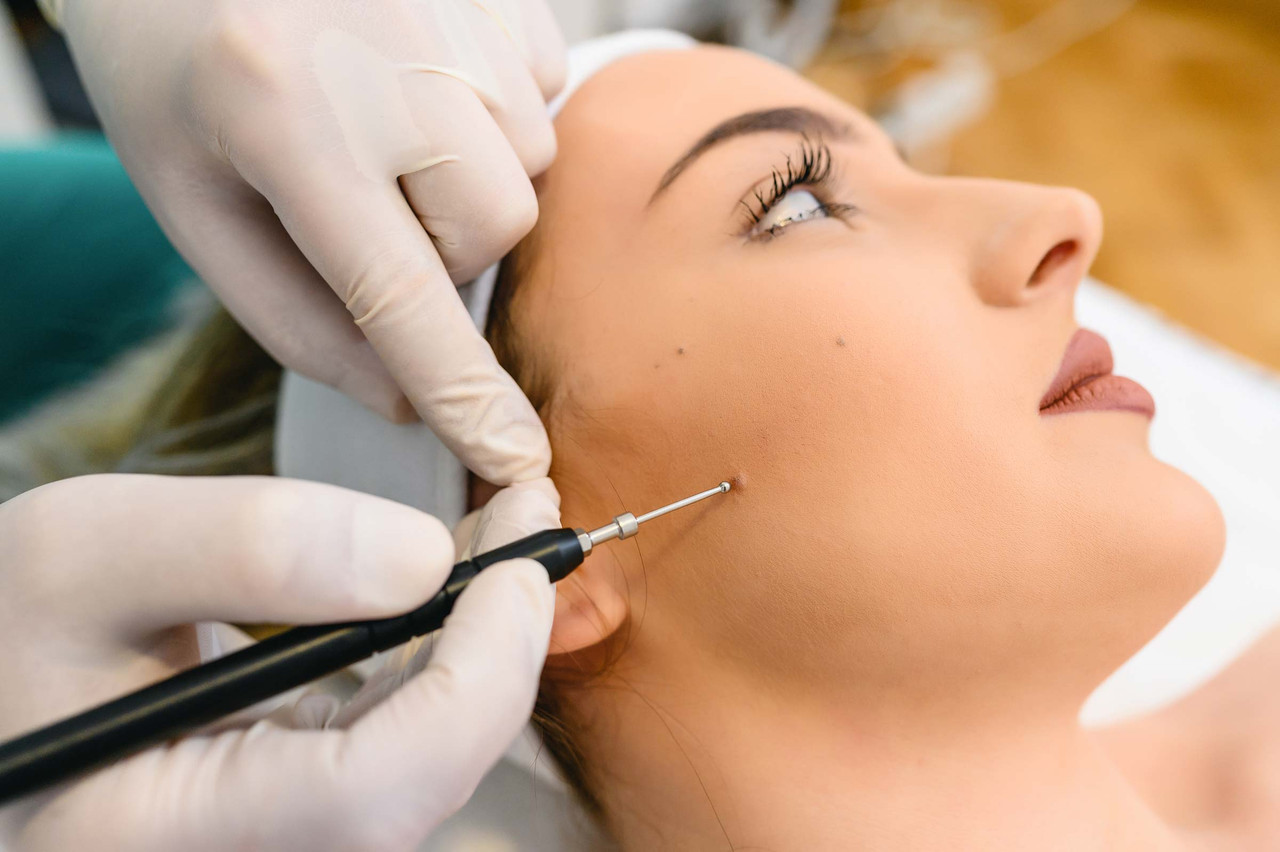
Moles are common skin markings that can vary considerably in size, shape, colour, and location. While many people have moles that remain unchanged over time, some choose to have particular moles assessed because of their appearance, location, or the way they interact with clothing and daily activities.
For people considering Mole Removal in London, the consultation is an important part of the treatment journey. Before removal is considered, a practitioner can examine the mole, discuss the patient's concerns, review its history, and determine whether a suitable removal approach can be recommended.
At Bodyvie Clinic, patients can discuss their concerns and explore appropriate options following an individual assessment.
What Is a Mole?
A mole is a common skin growth that can appear on different areas of the body. Moles can be flat or raised and may range in colour from light brown to darker shades.
Their appearance can vary naturally between individuals. Some people have only a few moles, while others have many.
Because different types of skin lesions can sometimes look similar, a professional examination is an important first step before considering Mole Removal Treatment in London.
Why a Consultation Is Important
A mole should be assessed before a removal procedure is planned.
During the consultation, the practitioner can examine the mole and consider characteristics such as its size, shape, colour, surface, and location.
The patient's reason for seeking removal is also discussed. This may be related to appearance, the position of the mole, or irritation caused by clothing or other everyday contact.
The consultation provides an opportunity to determine whether removal is appropriate and which approach may be suitable.
Discussing Your Concerns
The consultation usually begins with a conversation about the mole and the reason the patient is considering treatment.
Patients may have noticed a particular mole for many years and simply want to discuss removal. Others may have become more aware of a mole because of its location or appearance.
Explaining these concerns gives the practitioner useful information and helps ensure that the consultation focuses on the patient's individual priorities.
Reviewing the Mole's History
The practitioner may ask how long the mole has been present and whether its appearance has changed over time.
Patients can provide information about any noticeable changes in size, shape, colour, or surface.
They may also be asked whether the mole has previously been examined or treated.
This history provides additional context alongside the physical examination.
Examining the Mole
A physical examination is a central part of the consultation.
The practitioner assesses the mole closely and considers its overall characteristics. Depending on the lesion, the practitioner may examine it using appropriate clinical assessment techniques.
The aim is to understand the nature and appearance of the mole before discussing potential removal.
This is particularly important because not every skin lesion should automatically be treated as a cosmetic mole.
Assessing the Mole's Size
The size of a mole is one of the features considered during assessment.
Some moles are very small, while others may be more prominent.
The practitioner assesses the dimensions of the mole and considers how its size relates to the surrounding skin.
Size can also influence which removal method may be appropriate.
Assessing the Mole's Shape
The shape of the mole is another feature examined during consultation.
Moles can be round, oval, irregular, flat, raised, or have other characteristics.
The practitioner evaluates the overall shape and structure rather than relying on one feature alone.
This assessment contributes to the decision-making process when considering Mole Removal in London.
Assessing Colour
Moles can have different shades and may vary from the surrounding skin.
The practitioner examines the colour and considers whether it is uniform or has other characteristics that require closer evaluation.
Colour is considered alongside the mole's shape, size, surface, and history.
A comprehensive assessment provides a more complete understanding of the lesion.
Examining the Surface
The surface of a mole may be flat, smooth, raised, or have other characteristics.
The practitioner examines the surface carefully and considers how the mole sits in relation to the surrounding skin.
This information can help determine which treatment options may be appropriate if removal is considered suitable.
Considering the Mole's Location
The location of the mole can influence the treatment discussion.
Moles can appear on the face, neck, torso, arms, legs, and other areas of the body.
A mole located on a visible part of the face may raise different aesthetic concerns from one located on an area usually covered by clothing.
The practitioner considers the location when discussing possible treatment approaches.
Assessing the Surrounding Skin
The skin around the mole is also examined.
The practitioner may assess the surrounding area to understand the relationship between the mole and nearby skin.
This broader assessment is useful when planning treatment because the removal approach needs to take into account the characteristics of the entire treatment area.
Discussing Previous Treatments
Patients should tell their practitioner about any previous treatment involving the mole or surrounding skin.
This may include previous removal attempts, biopsies, dermatological procedures, or aesthetic treatments.
Having a complete treatment history allows the practitioner to understand the current condition of the area before making recommendations.
Reviewing General Treatment History
The practitioner may also ask about relevant medical and treatment history.
Information about previous procedures, medications, and other relevant circumstances may be considered as part of the consultation.
Patients should provide accurate information so that the practitioner can make an appropriate assessment and explain the available options clearly.
Determining Whether Removal Is Appropriate
After examining the mole and reviewing its history, the practitioner can determine whether removal may be appropriate.
If the mole appears suitable for removal, the practitioner can discuss the available techniques and explain which approach may be considered.
If further assessment is required, the practitioner can explain the appropriate next step.
This makes the consultation an important decision-making stage rather than simply a pre-treatment formality.
Discussing Mole Removal Techniques
There are different approaches that may be used for mole removal depending on the characteristics of the mole.
These can include techniques such as surgical excision, shave removal, or other dermatological methods.
The appropriate technique depends on factors such as the type of mole, its size, depth, location, and clinical assessment.
The practitioner can explain the recommended method and why it is considered appropriate for the individual mole.
Understanding Surgical Excision
Surgical excision involves removing the mole using a minor surgical technique.
This approach may be considered for certain types of raised or deeper moles.
During the consultation, the practitioner can explain how the procedure is performed and what the patient can expect from the treatment appointment.
The decision to use excision depends on the characteristics of the mole and the practitioner's assessment.
Understanding Shave Removal
Shave removal is another technique that may be considered for selected raised moles.
The method involves carefully removing the raised portion of the lesion from the surface of the skin.
Whether this technique is suitable depends on the individual mole and the practitioner's clinical assessment.
The consultation provides an opportunity to understand whether this or another approach may be appropriate.
Discussing the Treatment Area
The practitioner can explain exactly which part of the skin will be treated.
This is particularly useful when the mole is located in a visible area.
Patients can discuss their aesthetic objectives and ask how the proposed treatment approach relates to the location and characteristics of the mole.
Having a clear understanding of the treatment area helps patients know what to expect before proceeding.
Clinical Photography
Photographs may be taken during a mole consultation.
Clinical images can provide a useful record of the mole's appearance and may help document its size, shape, colour, and location.
Depending on the clinic's process, photographs may also be useful for treatment planning and comparison.
They are considered alongside the physical examination rather than being used as the only assessment method.
Questions to Ask During the Consultation
A consultation is an opportunity for patients to ask questions before deciding whether to proceed.
Useful questions can include:
- Which removal method is appropriate for my mole?
- Why has this method been recommended?
- How is the treatment performed?
- How long will the appointment take?
- What should I expect after treatment?
- Will the removed tissue be assessed if required?
- What aftercare instructions will I receive?
- When can I return for follow-up?
Discussing these questions can help patients understand the proposed treatment process.
Understanding the Treatment Plan
Following the assessment, the practitioner can explain the recommended treatment plan.
This may include the chosen removal technique, the location being treated, the expected appointment process, and relevant aftercare guidance.
Patients can then decide whether they are comfortable proceeding with the recommended approach.
A clear treatment plan helps ensure that the patient understands what has been discussed before treatment begins.
Choosing a Mole Removal Clinic London
When searching for a Mole Removal Clinic London, patients may wish to consider the practitioner's experience, the quality of the consultation, and the clinic's approach to skin assessment.
A professional consultation should provide time to examine the mole carefully and discuss the patient's concerns.
Bodyvie Clinic provides consultations where patients can discuss their moles and explore appropriate removal options following an individual assessment.
Why Individual Assessment Matters
No two moles are necessarily identical.
They can differ in size, shape, colour, depth, location, and surface characteristics. Consequently, the most appropriate treatment approach can vary from patient to patient.
For people considering Mole Removal Treatment in London, individual assessment helps ensure that treatment recommendations are based on the characteristics of the specific mole.
What Happens After the Consultation?
Once the practitioner has completed the assessment, patients can discuss the next steps.
If removal is considered appropriate, the practitioner can explain how the treatment will be scheduled and what preparation may be required.
Patients can also receive information about aftercare and follow-up.
If further assessment is needed before removal, the practitioner can explain why and what the next stage involves.
Preparing for Mole Removal
Preparation depends on the treatment method and individual circumstances.
The clinic can provide specific instructions before the appointment. Patients should follow these instructions carefully and inform the practitioner of any relevant changes to their health or treatment history.
Having a clear understanding of the preparation process can make the treatment appointment easier to plan.
Understanding Aftercare
Aftercare forms part of the overall treatment process.
Following removal, the practitioner can provide instructions for caring for the treated area and explain how to manage the site during the healing period.
Patients should follow the individual guidance provided by their clinic because aftercare can depend on the removal technique and location.
When Follow-Up May Be Discussed
A follow-up appointment may be recommended depending on the removal technique and the individual treatment plan.
The practitioner can explain whether a review is required and what will be assessed during the follow-up.
This provides an opportunity to check the treated area and discuss any questions that arise after the procedure.
Conclusion
Mole Removal in London begins with a detailed consultation in which the practitioner examines the mole, reviews its history, considers its size, shape, colour, surface, and location, and discusses the patient's reasons for seeking treatment.
If removal is considered appropriate, the practitioner can explain suitable techniques such as excision or shave removal and develop a treatment plan based on the individual characteristics of the mole.
For anyone considering Mole Removal Treatment in London, choosing a professional Mole Removal Clinic London with a thorough consultation process can help ensure that treatment decisions are based on careful assessment and clear communication.
FAQs
What happens during a Mole Removal in London consultation?
A consultation generally involves discussing the mole's history, examining its size, shape, colour, surface, and location, reviewing relevant treatment history, and discussing suitable removal options.
Why is a mole assessed before removal?
Assessment allows the practitioner to understand the characteristics of the mole and determine whether removal is appropriate and which treatment approach may be suitable.
What factors does a practitioner examine?
The practitioner may assess the mole's size, shape, colour, surface, location, attachment, surrounding skin, and any changes that have occurred over time.
What is Mole Removal Treatment in London?
Mole Removal Treatment in London refers to professional procedures used to remove selected moles following an appropriate clinical assessment.
What mole removal techniques may be available?
Depending on the mole, practitioners may consider methods such as surgical excision or shave removal. The appropriate approach depends on the individual characteristics of the lesion.
Can the location of a mole affect treatment?
Yes. The location, size, depth, and characteristics of the mole can influence which removal method may be considered.
Should I tell my practitioner about previous mole treatment?
Yes. Information about previous removal attempts, biopsies, dermatological procedures, or treatments involving the area can be relevant to the consultation.
Are photographs taken during a mole consultation?
Clinical photographs may be taken to document the appearance and location of the mole. They can support assessment and treatment planning alongside the physical examination.
How do I choose a Mole Removal Clinic London?
When choosing a Mole Removal Clinic London, consider the practitioner's experience, the quality of the consultation, and whether the mole is carefully assessed before a removal technique is recommended.
Is a consultation necessary before Mole Removal Treatment in London?
Yes. A professional consultation allows the practitioner to assess the mole, understand the patient's concerns, determine whether removal is appropriate, and discuss the most suitable treatment approach.
Comments