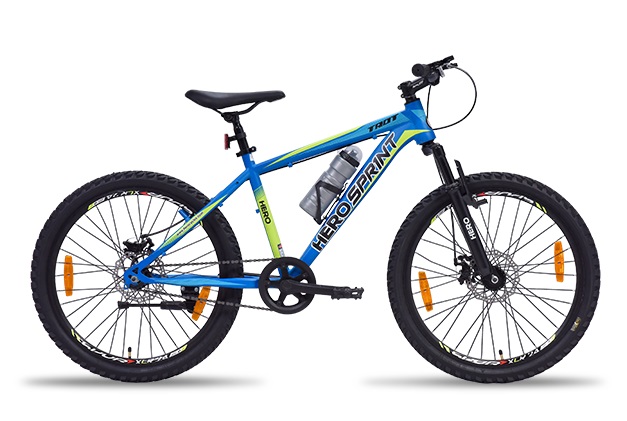
In the age of digital saturation, where teens and young adults are often glued to screens, the call of the outdoors has become more essential than ever. One way to respond to that call with power, adventure, and style is through mountain biking. The rugged terrains, challenging trails, and adrenaline-pumping descents offer more than just an outdoor escape, they deliver a full-body workout, mental clarity, and a sense of accomplishment that few other sports can match.
At the heart of this movement lies the trusty mountain bicycle, designed for off-road cycling over rocks, mud, gravel, and hills. While they were originally developed for rough terrains, today’s MTB cycles have evolved into versatile companions for both urban adventures and remote expeditions.
Why Mountain Biking Appeals to Teens and Young Adults
The teenage and early adult years are often filled with a desire for independence, exploration, and challenge. Mountain biking meets these needs head-on by offering:
1. Physical Challenge and Skill Development
Navigating a trail on a mountain bicycle isn’t just about pedaling hard. It involves balance, coordination, spatial awareness, and quick decision-making. Each ride sharpens reflexes and strengthens both lower and upper body muscles.
2. Mental Clarity and Confidence
The concentration required on trails means riders stay fully present. This mindfulness, paired with the satisfaction of conquering obstacles, builds confidence. For teens grappling with self-image and young adults dealing with stress, this mental boost is invaluable.
3. Community and Camaraderie
Mountain biking clubs and group rides foster a sense of belonging. Riders exchange tips, explore new trails together, and often form strong social bonds.
What Sets MTB Cycles Apart?
Mountain bikes, or MTB cycles, are engineered to endure harsh conditions and deliver stability and control. Here are some defining features that make them suitable for rough terrains and adventurous riders:
1. Sturdy Frame
Typically built from aluminum, steel, carbon fiber, or titanium, the frame is designed to absorb shocks and withstand abuse.
2. Wide, Knobby Tires
These provide better grip on uneven surfaces, mud, and gravel. The tires are also puncture-resistant in most models, reducing the risk of trail-side mishaps.
3. Suspension System
There are three main types:
- Hardtail: Front suspension only. Ideal for beginners and lighter trails.
- Full Suspension (Dual Suspension): Both front and rear suspension. Suitable for rocky, technical trails.
- Rigid: No suspension. Rare and usually reserved for specific types of trails or budget bikes.
4. Gear Options
Modern MTB cycles offer a wide range of gears to manage steep climbs and fast descents. The presence of 18 to 27-speed options helps riders customize their pedaling effort.
5. Powerful Braking System
Hydraulic or mechanical disc brakes are standard in most models, ensuring effective braking even in wet or muddy conditions.
How to Choose the Right MTB Cycle
Selecting the right bike can feel overwhelming with so many models and features available. Here’s a simplified guide for teens and young adults:
1. Determine the Right Frame Size
A properly fitted bike enhances control and comfort. Frame sizes are usually measured in inches (from 13” to 21”) and based on rider height.
2. Choose the Suspension Based on Terrain
If most rides will be on forest paths or urban trails, a hardtail will suffice. For more technical or rocky trails, consider a full-suspension mountain bicycle.
3. Consider Maintenance and Spare Parts
Choose a brand with good after-sales service and easily available spare parts. Simpler bikes are easier to maintain for new riders.
4. Test Before You Buy
Always try a few models before finalizing. Pay attention to how the bike feels on different surfaces and how responsive it is to your inputs.
Training Tips for New MTB Riders
Starting mountain biking might seem daunting, but with a step-by-step approach, it becomes an exhilarating journey.
1. Start on Easy Trails
Build confidence and technique on beginner-friendly paths. Focus on mastering braking, turning, and gear shifts.
2. Learn Body Positioning
Stand slightly over the saddle with bent knees and elbows when descending. This stance absorbs shocks and increases control.
3. Master the Art of Braking
Avoid using only the front brake, it may cause flipping. Apply both brakes smoothly, especially on descents.
4. Practice Shifting
Understand when to shift gears. Shift to easier gears when climbing and harder gears on flat or downhill stretches.
5. Ride Regularly
Frequent rides improve stamina, technique, and muscle memory. Aim for 2–3 rides per week.
Urban Use of MTB Cycles
While originally designed for off-road use, mtb cycles have found a place in urban environments too. Their durability and shock absorption capabilities make them suitable for Indian roads filled with potholes and speed breakers.
Young adults often use their mountain bicycle for:
- Daily commute to college or work
- Urban exploration
- Evening fitness routines
- Weekend off-road getaways
Just ensure to add a kickstand, front and rear lights, and maybe even a carrier to adapt the bike for city use.
Mountain Biking and Environmental Awareness
One of the lesser-talked-about benefits of mountain biking is its ability to connect young riders with nature. Regular exposure to forests, trails, and mountains fosters a deeper respect for the environment.
Many young riders actively participate in:
- Trail clean-up drives
- Eco-friendly riding events
- Forest conservation campaigns
Cycling becomes more than just a sport, it becomes a lifestyle aligned with sustainability and mindfulness.
For teens and young adults, mountain biking is more than a weekend hobby—it’s a gateway to self-discovery, health, independence, and a lifelong love for the outdoors. Whether you're navigating your first forest trail, racing downhill with friends, or simply commuting through city streets, the mtb cycle is your loyal companion.
As you evolve, so will your skills, your terrain, and your challenges. But what remains constant is the sheer joy of riding the rugged way, where every climb builds resilience and every descent brings a rush of freedom.
So gear up, take the leap, and let the trails shape your journey.
Comments