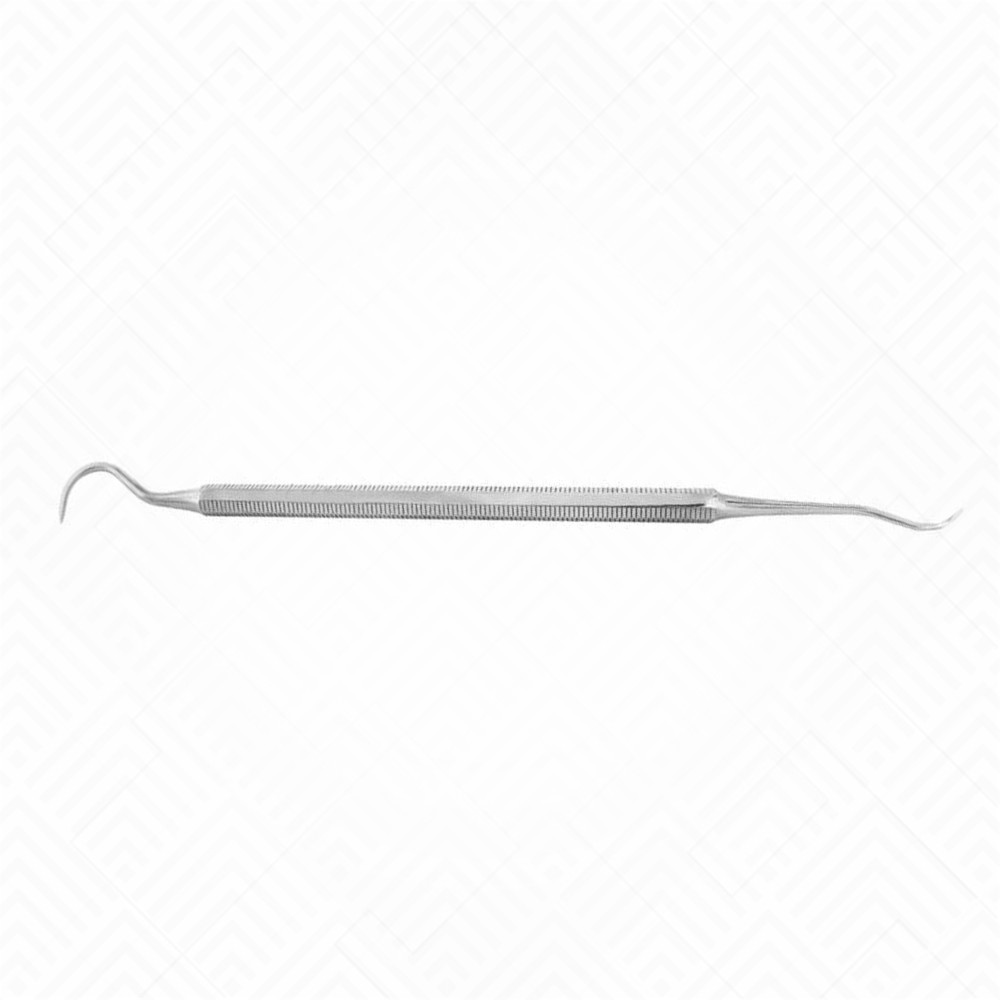
Dental hygiene and surgical periodontics require an exceptional level of precision. Healthcare professionals know that every millimeter matters when removing calculus and ensuring tissue health. Achieving these clinical standards requires reliable instruments that perform consistently under pressure. The right tools allow practitioners to work efficiently while maximizing patient comfort. Among the most vital instruments in any dental professional's toolkit is the universal scaler, designed specifically to adapt to multiple tooth surfaces.
Understanding how to leverage this instrument elevates the standard of care provided to patients. Dental students and experienced surgeons alike rely on its versatile design to navigate complex anatomical structures. Mastery of this tool reduces operator fatigue and minimizes tissue trauma during routine and complex procedures. By investing in high-quality instruments, practitioners safeguard their clinical reputation and ensure reliable outcomes. Excellent clinical results always begin with superior instrumentation.
The Engineering Behind Superior Clinical Tools
The effectiveness of a dental instrument relies entirely on its geometric design and material composition. High-grade stainless steel ensures that the cutting edges remain sharp even after repeated sterilization cycles. A well-engineered universal scaler features two cutting edges that meet at a sharp point, allowing for effective calculus removal across all supra-gingival surfaces. This symmetrical design means practitioners can easily switch between mesial and distal surfaces without changing instruments.
Ergonomics play an equally critical role in dental explorer design and daily clinical practice. Handles with optimal diameter and knurling provide a secure grip, reducing the pinch force required to maneuver the tool. This careful attention to ergonomic detail prevents long-term occupational injuries like carpal tunnel syndrome among dental hygienists and periodontists. Tactile sensitivity travels from the working end through the shank to the handle, providing crucial feedback to the clinician. High-quality manufacturing ensures this sensory transmission remains unobstructed.
Achieving Optimal Adaptation
Proper adaptation of the instrument blade to the tooth surface separates acceptable results from clinical excellence. The practitioner must maintain the correct angulation to engage deposits without damaging the underlying enamel. The versatile design of the universal scaler allows for continuous adaptation as the clinician moves around the line angles of the tooth. By rolling the instrument handle between the thumb and index finger, the working end remains perfectly aligned with the tooth contour.
Maintaining this precise adaptation requires a deep understanding of dental anatomy and instrument mechanics. Students spend countless hours in simulation labs mastering the subtle movements required to adapt the blade effectively. Practitioners must apply appropriate lateral pressure while utilizing short, controlled strokes to fracture calculus from the tooth surface. The rigidity of the instrument shank provides the necessary leverage to dislodge stubborn deposits safely and efficiently.
Elevating Patient Care and Comfort
Patient comfort remains a top priority during any dental procedure involving scaling and root planing. Sharp, precise instruments reduce the amount of time required to thoroughly clean the dentition, thereby minimizing patient time in the chair. A dull instrument requires excessive force, which inevitably leads to patient discomfort and increased anxiety. Utilizing a meticulously crafted universal scaler allows the clinician to apply minimal pressure while achieving maximum calculus removal.
Tissue trauma is a significant concern during supra-gingival and shallow sub-gingival scaling. Instruments designed with precise angles help practitioners navigate the gingival margin without lacerating delicate soft tissues. Superior instruments glide smoothly against the tooth, providing a clean surface that promotes gingival reattachment and overall periodontal health. Patients frequently notice the difference when a clinician uses high-quality, perfectly maintained tools during their treatments.
New Med Instruments and Clinical Excellence
Surgeons, students, and healthcare professionals all over the world require perfect and precise results for their patients. Achieving this level of excellence requires a partnership with a trusted instrument manufacturer. New Med Instruments seeks to provide quality surgical instruments and superior service to professionals who refuse to compromise on patient care. Every instrument is crafted with rigorous attention to detail and stringent quality control measures.
This commitment to excellence ensures that every tool delivered meets the demanding standards of modern healthcare facilities. New Med Instruments understands that the success of a procedure heavily depends on the reliability of the tools in the surgeon's hands. By sourcing premium materials and utilizing advanced manufacturing techniques, the company delivers instruments that stand the test of time. Healthcare providers can proceed with confidence, knowing their equipment will perform flawlessly during critical clinical moments.
The Importance of Instrument Maintenance
Even the highest quality dental instruments require proper maintenance to retain their clinical effectiveness. Regular sharpening is absolutely essential to maintain the cutting edges and ensure optimal performance. A dull blade burnishes calculus instead of removing it, creating a smooth surface that harbors bacterial plaque and hinders periodontal healing. Practitioners must establish a routine sharpening schedule to preserve the original design characteristics of their tools.
Proper sterilization protocols also play a vital role in instrument longevity and patient safety. Instruments must be thoroughly cleaned of all debris before being subjected to the high temperatures of an autoclave. The high-quality steel used in a premium universal scaler resists corrosion and pitting, provided that clinical staff follow manufacturer guidelines for reprocessing. Utilizing appropriate cleaning solutions and ensuring completely dry instruments before sterilization extends the working life of the tool.
Educating the Next Generation of Professionals
Dental and hygiene students face a steep learning curve when developing their instrumentation skills. Quality instruments provide consistent tactile feedback, which is crucial for students learning to differentiate between enamel, cementum, and calculus. Using poorly manufactured tools during the educational phase severely hinders the development of muscle memory and clinical judgment. Educational institutions must equip their students with reliable instruments to ensure they develop proper techniques from the very beginning.
Mentors and instructors emphasize the importance of selecting the right tool for specific anatomical challenges. Students learn that versatility does not mean a single tool can perform every task, but rather that a well-designed instrument simplifies complex procedures. Understanding the relationship between blade angulation, handle design, and clinical outcomes prepares students for successful careers. Investing in premium instruments during training builds a foundation of excellence that lasts a lifetime.
Continuing the Tradition of Precision
The landscape of healthcare continues to evolve with new technologies and methodologies, but the need for reliable hand instruments remains constant. Dental professionals will always require perfectly balanced, sharp, and durable tools to deliver exceptional patient care. Maintaining a standard of excellence requires practitioners to continually evaluate and upgrade their clinical setups. Superior instrumentation directly translates to superior clinical outcomes, enhanced patient trust, and professional satisfaction.
Choosing the right equipment represents a commitment to the highest standards of the medical and dental professions. New Med Instruments proudly supports this commitment by delivering products that exceed expectations in both form and function. By equipping healthcare professionals with the finest tools available, the entire standard of patient care is elevated. Precision, reliability, and excellence remain the guiding principles for modern clinical success.
Comments