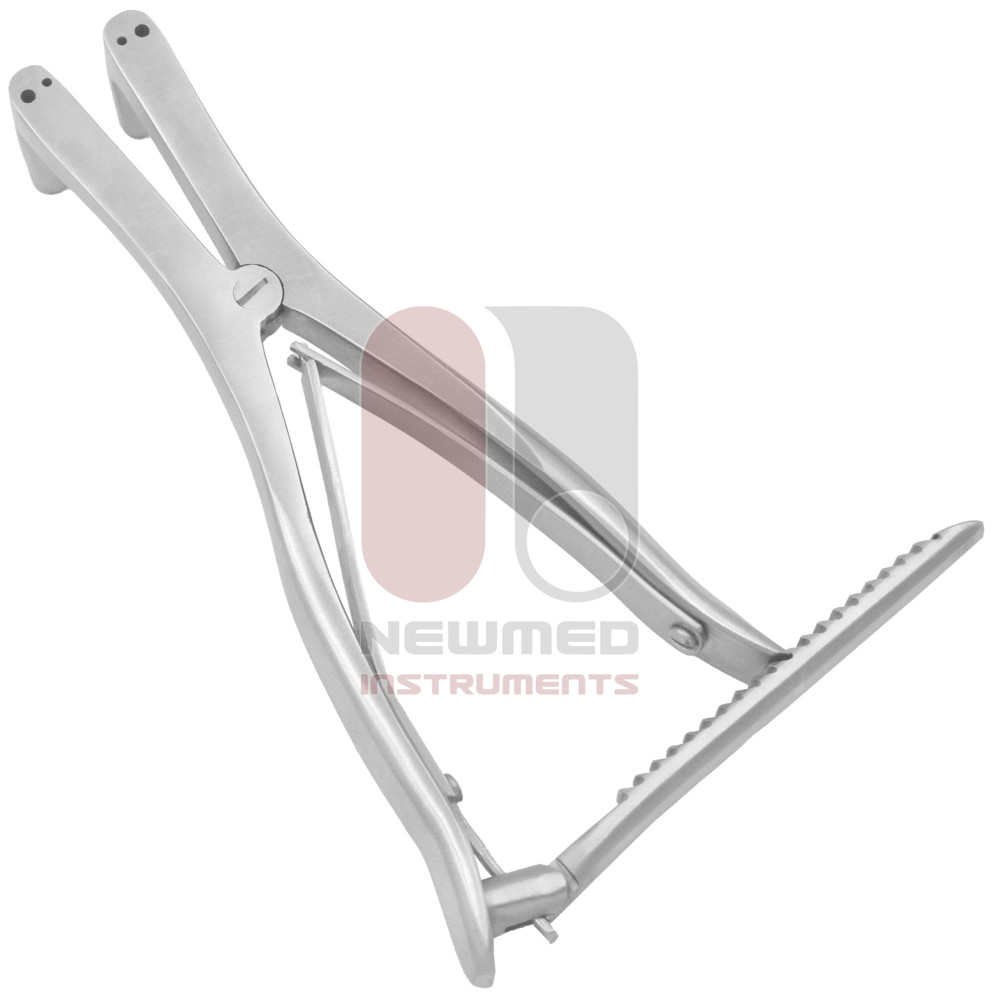
Orthopedic surgery demands an incredible level of precision and reliability from every tool in the operating room. Surgeons work with complex skeletal structures where a fraction of a millimeter can influence a patient's recovery and long-term mobility. One tool that has become indispensable in this high-stakes environment is the pin distractor. This specialized instrument plays a crucial role in creating the necessary space between bone fragments or joint surfaces during procedures. By applying controlled force, it allows surgeons to visualize the joint space clearly and perform intricate repairs with greater accuracy. This blog post explores the mechanics, applications, and importance of selecting high-quality instrumentation for successful surgical outcomes.
Why Surgeons Rely on Distraction Techniques
Joint distraction is a fundamental technique used to treat various orthopedic conditions, ranging from ankle arthritis to severe fractures. The primary goal is to separate two articular surfaces or bone segments gently. This separation relieves pressure on cartilage, improves fluid circulation within the joint, and provides the surgeon with a clear working area. Without adequate distraction, navigating the tight spaces within a joint becomes significantly more difficult and risky. The pin distractor is specifically designed to achieve this separation mechanically, offering a stable hold that manual traction simply cannot maintain over a long procedure. This stability is vital for ensuring that the surgeon can focus on the repair rather than struggling to keep the joint open.
The Mechanics Behind Effective Joint Separation
The design of distraction instruments focuses on delivering powerful yet controlled force. These devices typically consist of a frame and pins that are inserted into the bone on either side of the joint or fracture site. Once the pins are secure, the surgeon adjusts the device to pull the segments apart slowly. This mechanism allows for gradual adjustment, which is safer for the surrounding soft tissues than sudden movements. A high-quality pin distractor offers smooth operation, ensuring that the force applied is consistent and predictable. This predictability is essential when working with delicate structures, as it minimizes the risk of accidental damage to nerves or blood vessels near the surgical site.
Diverse Applications in Trauma and Reconstruction
While often associated with ankle arthroscopy, distraction tools are versatile and used across various orthopedic subspecialties. In trauma cases, they help align complex fractures before fixation plates or screws are applied. By pulling the bone fragments out to their proper length, the surgeon can reduce the fracture more easily. In reconstructive surgery, distraction can stimulate bone growth in limb-lengthening procedures. The versatility of the pin distractor makes it a valuable asset in any operating room equipped for musculoskeletal surgery. Whether dealing with a crushed wrist or a degenerated ankle joint, the ability to create space and hold alignment is a universal requirement for successful reconstruction.
Ensuring Quality with New Med Instruments
The success of any surgical procedure relies heavily on the quality of the instruments used. New Med Instruments understands the critical nature of these tools and seeks to provide quality surgical instruments and superior service to surgeons, students, and healthcare professionals all over the world. Professionals who value perfect and precise results for their patients know that inferior tools can slip, break, or fail to hold tension. A premium pin distractor from New Med Instruments is crafted from high-grade materials designed to withstand the rigors of orthopedic surgery. Our commitment ensures that every device meets strict standards for durability and performance, giving healthcare providers confidence in their equipment.
Training the Next Generation of Surgeons
For medical students and residents, learning to use distraction devices effectively is a key part of orthopedic training. Understanding the tactile feedback of the instrument and knowing how much tension to apply requires practice and reliable equipment. Access to high-quality tools during training helps build good habits and technical proficiency. When students learn with a well-manufactured device, they can focus on the anatomy and the procedure rather than fighting with the equipment. New Med Instruments supports this educational journey by supplying tools that function correctly every time. This consistency helps bridge the gap between theoretical knowledge and practical application in the operating theater.
Global Standards in Healthcare Equipment
Healthcare professionals worldwide face different challenges depending on their location and resources, but the need for reliable surgical tools is universal. Surgeons in every country strive for the best possible outcomes for their patients. New Med Instruments is dedicated to meeting this global demand by delivering superior service and products across borders. We ensure that a surgeon in a remote clinic has access to the same high-quality pin distractor as a surgeon in a major metropolitan hospital. This commitment to global health standards helps raise the bar for surgical care everywhere, ensuring that geography does not dictate the quality of a patient's treatment.
The Future of Orthopedic Instrumentation
As surgical techniques evolve, so too must the instruments that make them possible. Innovations in materials science and ergonomic design are leading to lighter, stronger, and more user-friendly devices. Future iterations of distraction tools may incorporate smart sensors to provide real-time feedback on tension levels or digital integration for preoperative planning. New Med Instruments stays at the forefront of these advancements, constantly evaluating how to improve our offerings. We believe that by staying ahead of the curve, we empower surgeons to push the boundaries of what is possible in patient care. Investing in the right technology today ensures better health outcomes for tomorrow.
Selecting the Right Tool for the Procedure
Choosing the correct instrument involves considering the specific anatomy and the goals of the surgery. Not all distractors are suitable for every joint; size and force capacity must be matched to the patient and the procedure. A cervical distractor designed for the ankle might be too large for the wrist or too weak for the knee. Surgeons must have a range of options available to tailor their approach to the individual case. New Med Instruments offers a comprehensive catalog to meet these diverse needs. We help healthcare providers select the appropriate tools, ensuring that they are always prepared for whatever challenges they encounter in the operating room.
Conclusion
The role of mechanical distraction in orthopedic surgery cannot be overstated. It provides the access and visibility necessary for complex repairs, directly influencing the success of the operation. By investing in high-quality tools, healthcare providers protect their patients and enhance their own surgical capabilities. New Med Instruments remains a steadfast partner in this mission, dedicated to equipping the medical community with the best possible resources. Prioritizing quality in every instrument, from the smallest scalpel to the most complex distractor,
Comments