Solar Electricity Perth: A Smarter Approach to Solar Power Perth WA
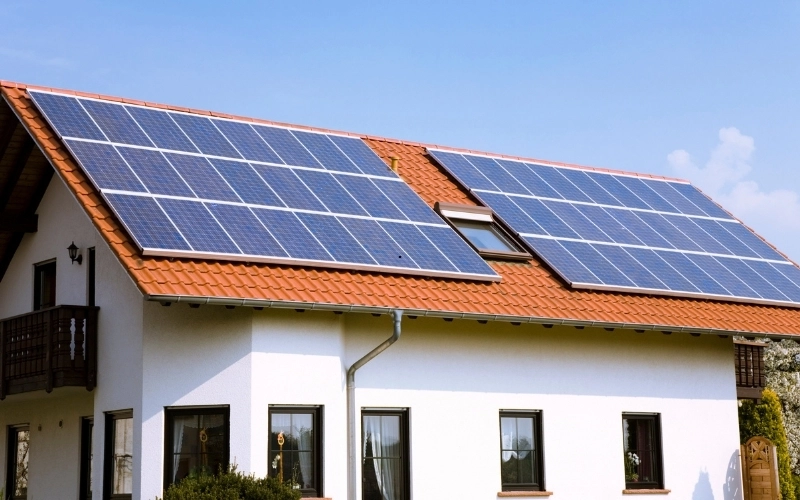
Solar electricity Perth has become an important option for households and businesses looking to generate their own renewable energy. Perth receives abundant sunshine across much of the year, creating favourable conditions for rooftop solar systems. A well-designed system can use sunlight to produce electricity during the day, helping reduce reliance on electricity purchased from the grid.
Modern solar systems are more than simply a collection of panels on a roof. They combine high-efficiency solar panels, an inverter, monitoring technology and, where required, a battery storage system. When these components are properly matched to a property's energy consumption, roof orientation and available space, solar can become an integrated part of everyday energy management.
For homeowners researching solar power Perth WA, understanding how these components work together is essential. System size, panel quality, inverter efficiency, household consumption and future electricity needs can all influence the suitability of a solar installation.
How Solar Panels Generate Electricity
Solar panels capture sunlight and convert it into direct-current electricity. The inverter then converts that electricity into alternating current that household appliances can use. Any unused generation may be exported to the electricity grid, depending on the property's connection and applicable arrangements.
When considering solar electricity Perth, homeowners should look beyond the number of panels alone. Panel efficiency, roof conditions, shading, orientation and installation quality can all influence actual energy production. A professional assessment can help determine whether a property needs a smaller system for basic daytime consumption or a larger system designed around higher energy demand.
Well-known brands such as SunPower, REC, LONGi, Trina Solar and JinkoSolar are commonly associated with modern photovoltaic technology. Inverter brands such as Fronius, Sungrow and SolarEdge are also widely recognised in the solar industry. The right combination depends on the property's requirements rather than simply choosing the most familiar brand.
The Role of a Solar Battery
A solar battery can change how a household uses the electricity generated by its solar system. Without storage, much of a home's solar generation may occur when residents are away during the daytime. A battery allows surplus energy to be stored and used later, including during evening periods when household demand may increase.
For people comparing solar power Perth WA solutions, battery storage can be particularly relevant when electricity consumption continues after sunset. Battery capacity should be considered alongside daily energy consumption, solar generation, backup requirements and the household's future plans.
Battery technology has also developed considerably, with products from recognised manufacturers offering different capacities, control features and integration options. Some systems can provide backup power during selected outages, although backup functionality depends on the battery, inverter configuration and electrical installation.
Solar Rebates and Financial Considerations
A solar rebate can reduce the upfront cost of an eligible solar installation, but incentives and eligibility requirements can change over time. Homeowners should check the current government requirements before making financial decisions rather than relying on outdated information.
The overall cost of solar electricity Perth depends on several factors, including system capacity, panel technology, inverter selection, battery storage, roof complexity and installation requirements. A larger system may have a higher initial price but could also produce more electricity for a property with substantial daytime consumption.
It is useful to compare complete system proposals rather than focusing only on the advertised installation price. A detailed quotation should explain equipment specifications, system capacity, warranties, installation inclusions and any applicable rebate or incentive.
Solar Power for Electric Vehicles
The growing popularity of electric vehicles has created another reason for households to consider solar generation. An EV can consume a substantial amount of electricity, particularly for drivers with long daily commutes. Charging an EV during periods of strong solar production can allow a household to use more of its own renewable electricity.
For households exploring solar power Perth WA, an EV charger can therefore become part of a broader energy strategy. Smart charging technology may help coordinate vehicle charging with solar generation, while a suitable inverter and battery can provide additional flexibility.
Rather than treating solar panels, battery storage and an EV charger as separate technologies, homeowners can consider them as components of one connected energy system.
Choosing a Suitable Solar System
Every property has different energy requirements. A family home with high daytime consumption may have different needs from a smaller household that uses most of its electricity in the evening. Businesses can also require larger systems because of refrigeration, lighting, air conditioning, machinery and other commercial loads.
When evaluating solar electricity Perth options, consider:
- Current and future electricity consumption
- Available roof area
- Roof direction and pitch
- Potential shading from nearby buildings or trees
- Solar panel efficiency
- Inverter capacity and features
- Battery requirements
- EV charging requirements
- Installation and warranty terms
- Available rebates and incentives
- Expected electricity usage during daytime and evening hours
This approach can help prevent the common mistake of selecting a system based solely on its advertised capacity.
Solar Across Perth Neighbourhoods
Solar requirements can vary across Perth's diverse residential areas. Homeowners in Subiaco, Victoria Park, Nedlands, West Perth and East Perth may have different roof structures and property layouts from residents in Balcatta, Bayswater, Belmont or Cannington.
Areas such as Dianella, Joondanna, Osborne Park, Nollamara and Tuart Hill also contain a mixture of residential property types, meaning solar design should be based on the individual building rather than the suburb alone. In locations including Dalkeith, Churchlands, Floreat, Shenton Park and Claremont, roof design, landscaping and shading can also influence system planning.
Other Perth neighbourhoods such as Carlisle, Kewdale, Queens Park, Redcliffe, St James, Bentley, Embleton, Glendalough and Cloverdale can similarly benefit from a property-specific solar assessment. A properly planned installation can account for roof space, energy consumption and future electricity requirements.
Why System Design Matters
Good solar performance depends on more than purchasing high-quality equipment. Installation workmanship, panel positioning, electrical design and inverter configuration all affect how efficiently a system operates.
For those researching solar electricity Perth, it is worth asking prospective installers how they calculate system size and expected generation. A transparent proposal should explain the expected output and identify assumptions relating to household electricity consumption.
Similarly, anyone comparing solar power Perth WA systems should consider long-term equipment support. Solar panels and inverters are designed to operate for many years, making warranty conditions, servicing arrangements and product availability relevant factors in the purchasing process.
Planning for Future Energy Needs
Energy requirements can change after solar installation. A household might add an EV, purchase additional appliances, install a pool or increase its use of air conditioning. These changes can make future electricity consumption quite different from the figures used when the original system was designed.
A scalable approach can therefore be valuable. Some homeowners may initially install solar panels and later add a battery, while others may prefer an integrated system from the beginning. The appropriate approach depends on budget, electricity consumption and future plans.
Solar technology is also becoming increasingly connected. Monitoring platforms can show electricity generation, household consumption, battery status and grid interaction through digital applications. This information can help users understand how their system performs throughout the day.
Making an Informed Solar Investment
Choosing solar should involve more than comparing one price with another. Equipment quality, installation standards, system design, warranties, expected energy production and available incentives all contribute to the long-term value of an installation.
A carefully planned solar electricity Perth system can help households make greater use of renewable energy generated at their own property. Combining panels with an appropriate inverter and, where suitable, a battery can provide additional flexibility for changing energy consumption.
At the same time, solar power Perth WA can support emerging household technologies such as EV charging and smart energy management. By considering today's electricity needs alongside future requirements, property owners can develop a system that remains practical as their energy use evolves.
Conclusion
Solar energy can be an effective way for Perth households and businesses to generate renewable electricity and manage their energy consumption. The combination of efficient panels, a suitable inverter, optional battery storage and smart energy technology gives property owners more flexibility in how they produce and use electricity.
Whether a property is located in Subiaco, Balcatta, Nedlands, Belmont, Victoria Park, Osborne Park or another Perth neighbourhood, the most appropriate solar solution depends on its individual characteristics. Understanding system capacity, equipment quality, installation requirements, rebate eligibility and future energy needs can make the decision-making process more informed.
Location:- Perth, Western Australia
https://simple.wikipedia.org/wiki/Perth,_Western_Australia
https://sites.google.com/view/perth-solar-power/
https://www.consumerprotection.wa.gov.au/publications/solar-panel-systems-factsheet
https://www.energy.gov.au/solar/financial-benefits-solar/government-rebates-and-loans-solar
Comments