Solar Panel Installation in Maryland: Choosing the Right System for Your Home
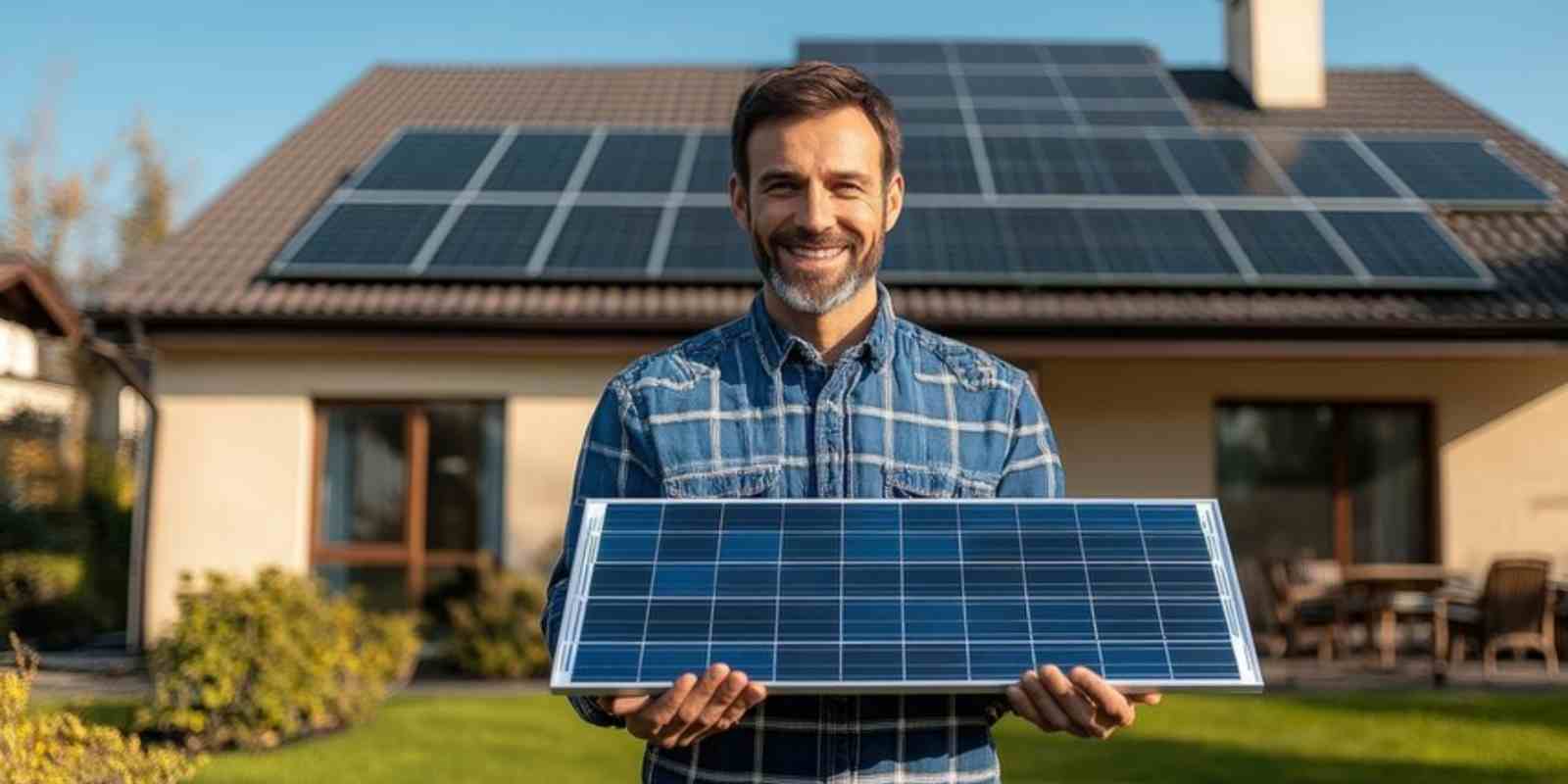
Not every solar system fits every home. Roof size, energy usage, budget, and personal priorities all shape what makes sense for a specific household, and homeowners exploring solar panel installation in Maryland need to think through these factors carefully before settling on a particular system. This article walks through the key decisions involved in choosing the right system, helping homeowners feel confident in a choice that genuinely fits their needs.
Start With an Honest Look at Energy Usage
Before comparing panel brands or system sizes, homeowners should get a clear picture of their actual electricity consumption. Solar panel installation in Maryland should be sized around real usage patterns, not rough guesses or assumptions based on what a neighbor installed.
Reviewing twelve months of utility bills gives a more accurate picture than looking at just a few recent months, since energy usage often varies significantly between seasons due to heating and cooling demands. This full-year view helps ensure the system design accounts for genuine average consumption, rather than underestimating or overestimating based on a limited snapshot of usage.
Understanding Different Types of Solar Panels
Several panel types are available for solar panel installation in Maryland, each offering different tradeoffs between cost, efficiency, and appearance.
- Monocrystalline panels offer the highest efficiency and a sleek, uniform black appearance, though they typically come at a higher price point than other options.
- Polycrystalline panels offer a more budget-friendly option with slightly lower efficiency, often recognizable by their characteristic blue, speckled appearance.
- Thin-film panels offer a lightweight, flexible option suited to specific applications, though they generally require more surface area to generate the same amount of electricity as crystalline panels.
For most residential applications, monocrystalline or polycrystalline panels represent the most practical choice, with the decision often coming down to a balance between budget and available roof space, since higher efficiency panels can generate more electricity from a smaller physical footprint.
Considering Roof Condition and Orientation
The condition and orientation of a home's roof significantly affects both the design and performance of a solar panel installation in Maryland. Homeowners should consider:
- Roof age and condition, since panels are typically expected to last twenty-five years or more, meaning an aging roof may need replacement before installation to avoid the added cost of removing and reinstalling panels later.
- Roof orientation, since south-facing roofs generally receive the most consistent sun exposure throughout the day, though east and west-facing roofs can still support effective solar systems with appropriate design adjustments.
- Shading from trees or nearby structures, which can significantly reduce system performance if not properly accounted for during the design process.
- Available roof space, which affects how large a system can realistically be installed, directly influencing how much of a home's energy consumption the system can offset.
Homeowners with roofs that are not ideally suited for solar, whether due to shading, orientation, or limited space, should discuss ground-mount alternatives with their installer if sufficient yard space is available.
Sizing the System Appropriately
One of the most important decisions in solar panel installation in Maryland involves choosing an appropriately sized system. A system that is too small will not adequately offset electricity costs, while an oversized system represents unnecessary upfront investment without proportional benefit.
Proper sizing typically considers:
- Current and projected future electricity usage, accounting for any planned changes such as electric vehicle charging or home additions.
- Available roof or ground space for panel installation.
- Local sun exposure patterns specific to the property's location within Maryland.
- Budget constraints and available financing options that may influence how much system capacity a homeowner chooses to install initially.
A reputable installer should walk through this sizing process carefully, explaining the reasoning behind their recommended system size rather than simply proposing the largest possible system regardless of actual need.
Deciding Whether to Include Battery Storage
Homeowners considering solar panel installation in Maryland should also think through whether battery storage makes sense as part of their overall system. Battery storage allows homeowners to store excess solar energy for use during evening hours or power outages, adding both resilience and potential cost savings depending on local utility rate structures.
Key considerations include:
- Whether backup power during outages is a genuine priority given the homeowner's specific circumstances and past experience with power disruptions.
- Additional upfront cost associated with adding battery storage to the overall system.
- Available incentives that may help offset the cost of battery storage alongside standard solar panel incentives.
- Long-term value battery storage might add through improved resilience and potential utility rate benefits.
While not every homeowner needs battery storage, those in areas prone to frequent outages or those simply wanting greater energy independence often find the additional investment worthwhile.
Evaluating Financing Options
Choosing the right solar panel installation in Maryland also involves deciding how to finance the system. Options generally include:
- Cash purchase, offering the greatest long-term savings and full ownership of all available tax incentives.
- Solar loans, spreading the cost over time while still retaining ownership and incentive eligibility.
- Leases, involving little to no upfront cost with fixed monthly payments to a third-party system owner.
- Power purchase agreements, where homeowners pay only for the electricity generated, again typically without significant upfront investment.
Each option carries different long-term financial implications, and homeowners should carefully weigh their available budget, desired ownership structure, and long-term savings goals when selecting a financing approach.
Comparing Warranties and Equipment Quality
Not all solar equipment offers the same level of long-term reliability. When evaluating options for solar panel installation in Maryland, homeowners should compare:
- Product warranties, covering defects in the panels themselves, typically ranging from ten to twenty-five years depending on the manufacturer.
- Performance warranties, guaranteeing a minimum level of energy production over the system's lifespan, usually also extending twenty-five years or more.
- Workmanship warranties, covering the quality of the actual installation work, which vary significantly between installers and deserve careful comparison.
Homeowners should request clear documentation of all applicable warranties before finalizing a decision, ensuring they understand exactly what protection they have if issues arise after installation.
Choosing an Installer Who Understands Local Conditions
Beyond the equipment itself, choosing the right installer significantly affects the overall success of a solar panel installation in Maryland. Local installers bring valuable knowledge of Maryland-specific permitting requirements, typical weather patterns, and available state incentive programs that out-of-area or less experienced providers may not fully understand.
Homeowners should evaluate potential installers based on their local track record, customer reviews, and willingness to explain system design decisions clearly rather than pushing a one-size-fits-all recommendation.
Conclusion
Choosing the right system for solar panel installation in Maryland involves carefully weighing energy usage, roof characteristics, panel type, system size, battery storage needs, and financing options. Homeowners who take time to work through these decisions thoughtfully, ideally with guidance from an experienced local installer, put themselves in the best position to end up with a system that genuinely fits their home and their long-term energy goals.
Energy Select helps homeowners throughout Maryland navigate these decisions, offering clear guidance tailored to each individual property and household's specific needs. If you are ready to explore what solar could look like for your home, we would welcome the opportunity to help you find the right system.
Comments