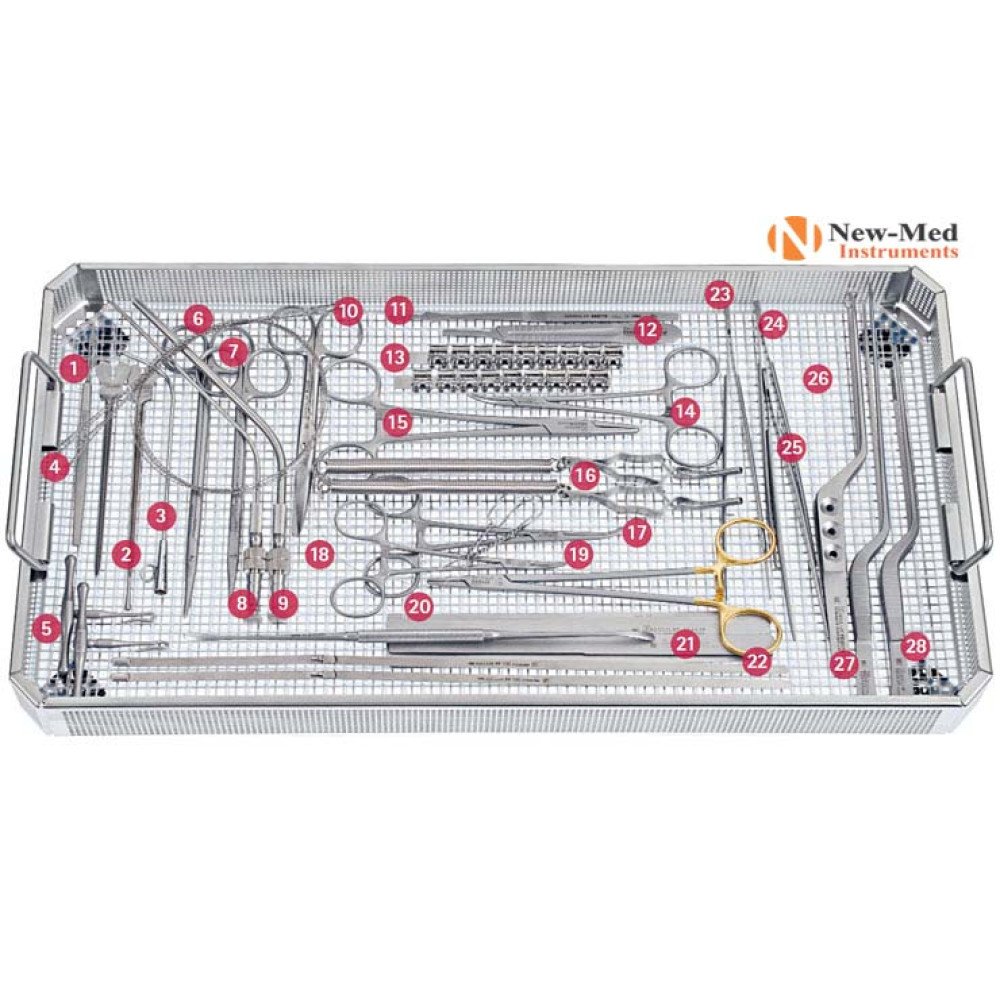
Neurosurgery stands as one of the most delicate and demanding fields in medicine. The complexity of the brain, spinal cord, and peripheral nerves requires unparalleled precision, skill, and, critically, the right instruments. The selection and quality of neurosurgery tools can directly influence the outcome of a procedure, making them an extension of the surgeon's own hands. Understanding these instruments is fundamental for both seasoned surgeons and the next generation of medical professionals. This guide explores the essential instruments that define modern neurosurgical practice and highlights the importance of quality and innovation in this critical specialty.
The Foundation of Neurosurgical Instrumentation
Every successful neurosurgical procedure begins with gaining access to the operative site. This requires a specific set of tools designed for precision and minimal tissue disruption. The initial stages of surgery, particularly cranial procedures, rely on instruments that allow surgeons to work with bone safely and effectively. Without these foundational tools, even the most skilled surgeon would be unable to reach the delicate neural structures that require intervention.
Cranial Access and Exposure
The craniotomy, the surgical removal of a section of bone from the skull to expose the brain, is a fundamental neurosurgical procedure. It requires specialized instruments like cranial perforators and craniotomes, which are high-speed drills used to create burr holes and cut the bone flap. Following this, bone rongeurs and Kerrison rongeurs are used to expand the opening or remove smaller pieces of bone, providing the surgeon with a clear and safe corridor to the brain. The quality of these instruments is paramount to prevent thermal injury to surrounding tissues and ensure a clean, precise cut.
The Role of Microsurgical Instruments
Once access is achieved, the procedure moves into the microsurgical phase. This is where the true delicacy of neurosurgery becomes apparent. Surgeons often work under high-magnification microscopes, manipulating tissues that are fractions of a millimeter in size. The instruments used in this phase must be exquisitely crafted for fine dissection and control. Tools like micro scissors, micro forceps, and nerve hooks are essential for navigating around fragile blood vessels and cranial nerves without causing inadvertent damage. These neurosurgery tools must provide excellent tactile feedback, allowing the surgeon to feel the subtle differences in tissue consistency.
Dissection and Retraction in Neurosurgery
Separating and protecting delicate neural tissues is a core component of any neurosurgical operation. A variety of dissectors, such as Penfield and Freer elevators, are used to gently separate planes of tissue. These instruments come in various shapes and sizes, each designed for a specific purpose, from elevating the dura mater to dissecting a tumor away from healthy brain tissue. Equally important are brain retractors. Modern self-retaining retractor systems, like the Greenberg or Leyla retractor, provide stable, hands-free retraction, minimizing pressure on the brain and freeing the surgeon's hands to perform the primary surgical task.
Hemostasis: Controlling Bleeding in a Critical Field
Controlling bleeding, or hemostasis, is a critical concern in any surgery, but it takes on special significance in neurosurgery. The brain is highly vascular, and even minor bleeding can obscure the surgical field and increase pressure within the skull. Bipolar forceps are indispensable for achieving precise hemostasis. They pass an electrical current between their two tips, coagulating small blood vessels with minimal thermal spread to adjacent neural structures. Bone wax is also used to control bleeding from the cut edges of the skull, ensuring a dry and clear operative field. The reliability of these hemostatic neurosurgery tools is non-negotiable.
Specialized Instruments for Specific Procedures
Beyond the fundamental set, many subspecialties within neurosurgery require highly specialized instruments. For example, spine surgery involves a unique set of tools, including pedicle screw insertion systems, laminectomy instruments, and various spinal fusion cages and plates. Endoscopic neurosurgery, a minimally invasive technique, relies on endoscopes and long, thin instruments designed to work through small ports. The development of these specialized neurosurgery tools has revolutionized the field, allowing for less invasive procedures, reduced recovery times, and improved patient outcomes.
The Importance of Quality and Precision
The common thread connecting all these instruments is the absolute need for quality. Surgeons, students, and healthcare professionals understand that the performance of their tools directly impacts their ability to deliver the best possible care. A slight imperfection in a micro scissor or a malfunction in a bipolar coagulator can have profound consequences. This is why sourcing instruments from a trusted provider is essential. High-grade materials, ergonomic design, and meticulous manufacturing processes are the hallmarks of superior surgical instruments that can withstand the rigors of repeated sterilization and use.
New Med Instruments: A Commitment to Excellence
At New Med Instruments, we understand the immense responsibility that rests in a neurosurgeon's hands. We are dedicated to providing the highest quality surgical instruments and superior service to healthcare professionals across the globe. Our comprehensive catalog of neurosurgery tools is crafted to meet the exacting standards of this demanding specialty. We believe that by providing instruments that offer perfect and precise results, we empower surgeons to achieve the best outcomes for their patients. Our commitment extends from the aspiring medical student to the experienced surgeon, ensuring that everyone has access to the tools they need to excel.
The Future of Neurosurgical Tools
The field of neurosurgery is constantly evolving, driven by technological advancements and a deeper understanding of neuroanatomy and physiology. The future will see the integration of robotics, augmented reality, and advanced imaging into the operating room. Instruments will become "smarter," providing real-time feedback and enhanced precision. As we look toward this future, the foundational principles of quality, reliability, and precision will remain as important as ever. Partnering with a forward-thinking instrument provider ensures that surgical teams can seamlessly integrate these new technologies into their practice.
Conclusion: Equipping Professionals for Success
The intricate and diverse world of neurosurgery tools reflects the complexity of the field itself. From the robust instruments used for cranial access to the delicate tools required for microsurgery, each piece plays a vital role in the success of an operation. For surgeons and medical students, a deep understanding of these instruments is as crucial as anatomical knowledge. New Med Instruments is proud to support the neurosurgical community by offering a complete range of high-quality, reliable instruments. We are committed to equipping healthcare professionals with the tools they need to push the boundaries of medicine and provide exceptional care to patients worldwide.
Comments