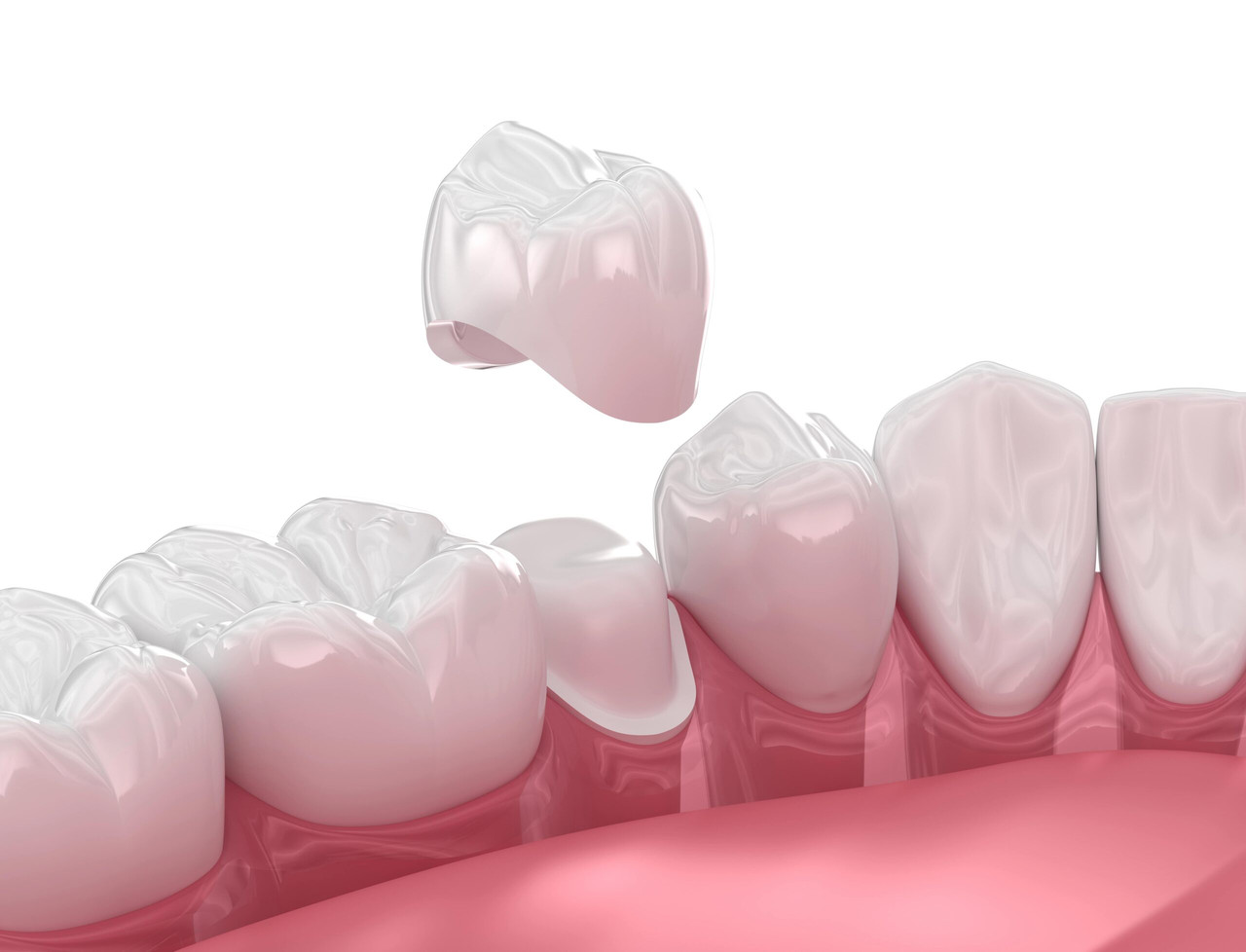
A dental crown is a restorative solution designed to cover a damaged, weakened, or extensively treated tooth. It can help restore the tooth’s shape, improve its appearance, and support everyday functions such as chewing. However, planning a dental crown involves more than examining the visible surface of a tooth. Previous dental treatments, existing restorations, gum health, and the condition of the underlying tooth all contribute to determining the most suitable approach.
For patients considering Tooth Crown Dubai, understanding how a dentist evaluates previous dental work can make the treatment process clearer. A tooth that has undergone a root canal, received a large filling, or been fitted with an older crown may require a different assessment from a tooth that has never been restored. Reviewing this history helps the dentist identify the tooth’s current needs and plan a restoration that fits comfortably and functions effectively.
At Cornerstone Clinic, crown planning can be approached through a comprehensive assessment of the tooth, surrounding tissues, and the patient's dental history. The aim is to establish an appropriate treatment plan based on the individual condition of the tooth rather than relying on a standard approach for every patient.
Why Previous Dental Treatments Matter During Crown Planning
Every dental treatment changes or addresses a particular aspect of oral health. A filling repairs damaged tooth structure, root canal treatment addresses problems within the pulp, and an older crown covers a tooth that has already required restoration. These treatments provide important information about the tooth’s history and current condition.
When planning a new crown, the dentist considers which treatments have been performed, why they were necessary, and how the tooth has responded since then. For example, a tooth with a large filling may have less natural structure remaining to support a new restoration. A root canal-treated tooth may need an assessment of its remaining walls and overall structural integrity.
Previous treatment records can also help the dentist understand whether the tooth has experienced repeated decay, sensitivity, or restoration failure. This information supports a more informed decision about the type of crown, the preparation required, and the steps needed before the final restoration is fitted.
How the Dentist Reviews Your Dental History
The planning process usually begins with a conversation about previous dental treatments and current concerns. Patients may be asked when a filling or crown was placed, whether they have undergone root canal treatment, and whether they have experienced discomfort or changes in their bite.
Details about older restorations can be particularly helpful when a tooth needs further treatment. If a crown has become loose or a filling has repeatedly required repair, the dentist may investigate the underlying reason before recommending another restoration.
Previous dental records and available X-rays may also be reviewed when appropriate. These can help the dentist understand the tooth's internal structure, the extent of earlier treatment, and the condition of the surrounding bone and tissues.
Patients do not need to remember every technical detail of their dental history. Sharing what they know, mentioning any current symptoms, and bringing previous records when available can help the dentist develop a clearer picture of the tooth's condition.
Considering Previous Fillings and Large Restorations
Fillings are among the most common treatments considered during crown planning. Small fillings may leave most of the natural tooth structure intact, while extensive restorations can replace a substantial portion of the original tooth.
When a large filling is present, the dentist examines the remaining tooth walls, the condition of the filling, and whether any cracks or additional decay are visible. The amount and location of the remaining natural structure can influence whether a crown is appropriate and how it should be designed.
An older filling may also have worn down, become damaged, or developed a gap along its edges. The dentist assesses these findings to determine whether the existing material can remain in place during treatment or needs to be removed.
The objective is to create a stable foundation for the crown while preserving healthy tooth structure wherever possible. The final decision depends on the extent of damage, the location of the tooth, and the amount of natural structure available to support the restoration.
How Root Canal Treatment Influences Crown Planning
Root canal treatment is another important consideration. It involves treating the internal pulp of a tooth when it has been affected by inflammation or infection. After this treatment, the tooth may require a restoration that protects the remaining structure and restores its function.
During crown planning, the dentist checks the tooth's current condition and reviews available information about the root canal procedure. An X-ray may be recommended to assess the roots and surrounding tissues when clinically indicated.
The dentist also considers how much natural tooth structure remains. A tooth that has lost a significant amount of its structure may need additional restorative planning before a crown can be fitted. In selected cases, a core build-up may be required to provide an appropriate foundation for the restoration.
Not every root canal-treated tooth automatically requires the same type of crown. The decision depends on the tooth's position, the amount of remaining structure, its function, and the clinical findings. A personalised assessment helps establish the most appropriate restorative option.
Evaluating an Existing or Failed Dental Crown
Some patients seek a new crown because an older restoration has become worn, damaged, loose, or uncomfortable. Before replacing it, the dentist evaluates both the existing crown and the tooth underneath it.
The examination may focus on the fit of the crown, the condition of its margins, the surrounding gums, and the way the upper and lower teeth meet during biting. The dentist also checks for signs of decay around the edges and considers whether the underlying tooth has changed since the original crown was placed.
If the crown has become loose, the cause needs to be understood before another restoration is planned. Possible explanations may include changes in the supporting tooth structure, deterioration of the cement, or problems with the original fit.
Replacing an existing crown is therefore not simply a matter of making a new one that looks similar. The dentist must first establish whether the underlying tooth remains suitable for restoration and whether any additional treatment is needed.
The Role of Previous Dental Imaging
Dental X-rays and other appropriate imaging can provide information that cannot be obtained through a visual examination alone. They may help the dentist assess the roots, identify areas of concern beneath an existing restoration, and evaluate the supporting structures around the tooth.
Imaging can be particularly useful when a tooth has undergone root canal treatment or when the dentist suspects decay beneath an older crown. Previous images may also offer a useful comparison with the tooth's current condition.
Not every patient requires the same imaging. The dentist determines whether an X-ray is necessary based on the examination, treatment history, and specific clinical questions that need to be answered.
Combining imaging with a clinical examination provides a more complete understanding of the tooth and supports appropriate treatment planning.
Assessing Gum Health and the Surrounding Teeth
A dental crown must work in harmony with the surrounding gums and neighbouring teeth. For this reason, crown planning includes an assessment of the tissues around the tooth, particularly when previous dental treatment has affected the gum line.
The dentist checks whether the gums appear healthy and whether an older restoration has an appropriate fit near the gum margin. Inflammation or other gum concerns may need attention before the final crown is placed.
Neighbouring teeth are also considered because they influence spacing, contact points, and the way the crown fits within the dental arch. If adjacent teeth have fillings, crowns, or other restorations, these may affect how the new crown is shaped.
This broader assessment helps the dentist plan a restoration that fits naturally within the mouth and supports comfortable oral function.
How Previous Treatments Affect Crown Material Selection
Dental crowns are available in different materials, including all-ceramic, zirconia, porcelain-fused-to-metal, and metal-based options. The appropriate material depends on the tooth's location, functional demands, aesthetic preferences, and clinical requirements.
Previous treatment can influence this decision. For example, a heavily restored back tooth may require particular attention to strength and biting forces, while a front tooth may place greater emphasis on matching the colour and translucency of neighbouring teeth.
The dentist also considers the space available for the restoration, the condition of the opposing teeth, and any existing wear patterns. A crown must be designed to fit the individual tooth rather than selected solely on appearance or material preference.
Patients can discuss their expectations, including the desired shade and overall appearance. The dentist then explains which materials may be suitable and how the available options relate to the tooth's condition.
Bite Alignment and Functional Considerations
Previous fillings and crowns can influence how the teeth meet when a person bites or chews. If an older restoration is too high, worn down, or poorly shaped, it may affect the distribution of biting forces.
Before a new crown is made, the dentist evaluates the bite and considers the tooth's role in chewing. The position of the tooth, contact with opposing teeth, and available space all contribute to the restoration's design.
The dentist may use bite records or other clinical methods when appropriate to help ensure that the planned crown fits the patient's natural bite. Once the crown is placed, its contacts can be checked and adjusted if necessary.
This stage is important because a well-planned crown should not only look natural but also fit comfortably during everyday activities such as speaking and eating.
What Happens Before the Final Crown Is Placed?
Once the dentist has reviewed the previous treatments and examined the tooth, a treatment plan can be developed. If the tooth is suitable for a crown, the next steps generally involve preparing the tooth, recording its shape, and arranging for the restoration to be produced.
If existing decay or another dental concern is identified, it may need to be addressed before the crown is completed. When a tooth requires a foundation restoration, this can also form part of the treatment plan.
Depending on the clinical situation and the restoration used, a temporary crown may be placed while the final crown is being prepared. At a later appointment, the dentist checks the fit, shape, colour, and bite before securing the final restoration.
The sequence may vary according to the tooth's condition and the complexity of previous dental work. Patients should receive an explanation of the proposed steps, the expected appointments, and any preparation required.
Understanding Tooth Crown Cost in Dubai
The overall cost of a dental crown can vary according to the condition of the tooth, the material selected, and the treatment needed before the crown is placed. A tooth with a straightforward restoration history may require a different treatment plan from one that has undergone root canal treatment or has an older crown that needs replacement.
Other considerations may include diagnostic imaging, the need for a core build-up, the complexity of tooth preparation, and the number of appointments involved. These factors make an individual examination important when estimating treatment costs.
Patients researching Tooth Crown Cost in Dubai should ask for a clear breakdown of the proposed treatment. It can be helpful to understand whether the quoted fee includes consultations, imaging, temporary restoration, any necessary preparatory work, and the final crown.
The most suitable option is not necessarily the one with the lowest initial price. Understanding the proposed material, the condition of the tooth, and the services included in the treatment plan helps patients make a more informed decision.
Conclusion
Previous dental treatments play an important role in planning a dental crown because they provide information about the tooth's condition, structural strength, and restorative needs. Fillings, root canal treatment, existing crowns, and earlier dental procedures can all influence how the dentist assesses the tooth and determines the next steps.
A thorough evaluation may include reviewing dental history, examining the remaining tooth structure, assessing gum health, checking the bite, and using X-rays when indicated. This helps establish whether additional treatment is needed and which crown material and design may be appropriate.
For patients exploring Tooth Crown Dubai, understanding the planning process can make it easier to discuss treatment options and expected costs with a dental professional. At Cornerstone Clinic, an individual assessment can help clarify the condition of the tooth, the proposed restoration, and the steps involved in restoring its appearance and function.
Frequently Asked Questions
1. Why does a dentist ask about previous dental treatments before fitting a crown?
Previous treatments help the dentist understand how much natural tooth structure remains, whether the tooth has undergone root canal treatment, and whether an existing restoration needs attention. This information supports an appropriate treatment plan.
2. Can a tooth with a large filling receive a dental crown?
Yes, a tooth with a large filling may be suitable for a crown. The dentist first examines the remaining natural tooth structure, the condition of the filling, and the overall health of the tooth before recommending treatment.
3. Is a crown always necessary after root canal treatment?
No, the need for a crown depends on the tooth's location, the amount of remaining structure, and its functional demands. A dentist evaluates these factors before recommending a suitable restoration.
4. Can an old dental crown be replaced?
Yes, an existing crown can be replaced when it is damaged, worn, poorly fitting, or no longer suitable. The dentist examines the underlying tooth and identifies any concerns that should be addressed before fitting a replacement.
5. Will I need an X-ray before getting a tooth crown?
An X-ray may be recommended to assess the roots, surrounding tissues, or areas beneath an existing restoration. The decision depends on the clinical examination and the information needed for treatment planning.
6. How is the material for a dental crown selected?
The dentist considers the tooth's location, biting forces, aesthetic requirements, available space, and previous restorations. These factors help determine which crown material may be appropriate for the individual patient.
7. Does previous dental treatment affect tooth crown cost in Dubai?
It can. Additional procedures, such as a core build-up or treatment of an underlying dental problem, may affect the total cost. The final estimate depends on the tooth's condition, the chosen crown material, and the treatment required.
8. How long does the dental crown process take?
The timeline depends on the tooth's condition, whether preparatory treatment is needed, and how the crown is made. Some cases require multiple appointments, while the exact schedule is determined during the consultation.
9. What should I bring to my dental crown consultation?
Bring any available dental records, previous X-rays, and information about earlier fillings, root canal treatment, or crowns. Mention any changes in comfort, chewing, or the way your teeth meet.
10. How can I find out whether I need a dental crown?
Arrange a dental examination so the dentist can assess the tooth, review previous treatment, and determine whether a crown or another restorative option is appropriate. The recommendation should be based on your individual dental needs.
Comments