Surgical procedures require absolute precision and reliable tools to manage blood flow and manipulate tissue safely. Clamping instruments serve as the foundational tools for achieving hemostasis during complex operations. Healthcare professionals rely on these devices to compress blood vessels and hold heavy tissues without causing unnecessary trauma to the surrounding areas. The correct application of these tools ensures a clear surgical field and contributes directly to positive patient outcomes.
Defining the carmalt hemostat
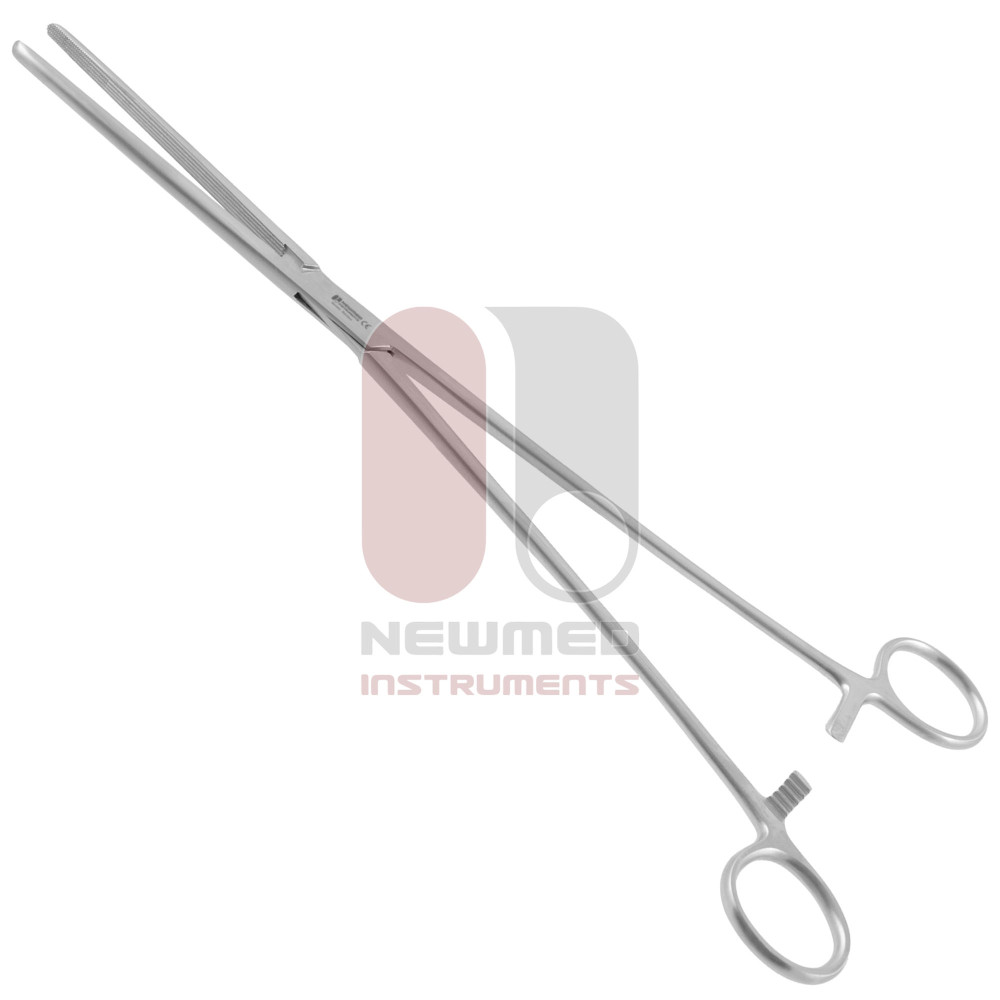
Among the various tools available in an operating room, the carmalt hemostat stands out for its specialized design and robust functionality. This specific surgical clamp features distinctive longitudinal serrations along the length of its jaws, paired with cross-hatching at the very tips. The unique jaw structure allows surgeons to firmly grip large, heavy tissues and major blood vessels. Medical students and seasoned professionals alike learn to identify this instrument by its signature gripping pattern.
Unique Jaw Design and Serrations
The longitudinal serrations run parallel to the direction of the jaws, serving a very specific mechanical purpose. When applied to a blood vessel or pedicle, these grooves prevent the tissue from slipping laterally out of the clamp. The cross-hatching at the tip provides an additional layer of security, gripping the tissue firmly at the point of initial contact. This dual-action design minimizes the risk of hemorrhage during critical moments of a procedure.
Applications in Heavy Tissue Ligation
Surgeons frequently encounter thick, heavy tissues that require secure ligation before excision. Instruments designed for delicate work often fail to provide the necessary crushing force to secure these larger masses. This heavy-duty clamp excels in grasping thick bundles of tissue, such as those found in hysterectomies or large tumor removals. The robust construction ensures the jaws do not bend or warp under significant pressure.
Preventing Tissue Slippage
Maintaining a secure hold on a pedicle is essential for safely applying sutures or ligatures. If an instrument allows the tissue to slip, it can lead to dangerous internal bleeding. The specialized gripping surface of this surgical clamp holds the pedicle completely stationary while the surgeon works. This reliability allows the surgical team to focus entirely on the ligation process rather than worrying about instrument failure.
The Importance of Ergonomic Handles
Long operations demand tools that minimize hand fatigue for the surgeon. High-quality instruments feature perfectly balanced finger rings and a smooth ratcheting mechanism. The locking mechanism allows the user to apply precise, incremental pressure and lock the clamp securely in place. This ergonomic design ensures that healthcare professionals maintain steady hands and precise control throughout lengthy surgeries.
Achieving Superior Surgical Outcomes
Every tool in the surgical tray plays a part in the overall success of the operation. Instruments that perform flawlessly reduce time spent in the operating theater and lower the risk of complications. Precision-engineered clamps create clean surgical margins and secure ligations. Patients benefit from shorter recovery times when surgeons have access to optimal instrumentation.
Why Surgeons Trust the carmalt hemostat
Decades of successful surgical applications have established the carmalt hemostat as an indispensable tool in modern medicine. Its predictable performance under pressure makes it a trusted choice for managing critical blood vessels. Surgeons know exactly how the instrument will handle heavy tissues, bringing a sense of confidence to complex procedures. This widespread trust stems from the instrument's consistent ability to deliver secure hemostasis.
Stainless Steel Construction and Durability
Operating room instruments must withstand harsh chemical environments and immense physical strain. Premium surgical tools utilize high-grade stainless steel to resist corrosion and structural degradation. The metallurgical composition ensures the metal remains rigid yet slightly flexible, preventing the jaws from snapping under heavy loads. This durable construction guarantees that the instrument maintains its precise alignment over countless procedures.
Proper Sterilization and Maintenance
Maintaining the integrity of surgical tools requires strict adherence to sterilization protocols. The stainless steel composition allows these clamps to endure repeated autoclaving without losing their structural integrity or surface finish. Hospital staff must clean the longitudinal grooves thoroughly to remove any biological debris before sterilization. Proper maintenance protocols ensure the instrument remains completely sterile and functions perfectly for years.
Utility Across Various Surgical Disciplines
While highly valued in general surgery, this specific clamp serves vital roles across multiple medical specialties. Obstetricians and gynecologists use it routinely for securing thick ligaments. Orthopedic surgeons rely on its strong grip during joint replacements and trauma care. The versatile nature of the instrument makes it a standard inclusion in numerous specialized surgical packs.
Educational Value for Medical Students
Training the next generation of healthcare professionals requires exposure to standard, reliable tools. Medical students spend significant time learning how to properly handle, lock, and release this type of clamp. Understanding the mechanical advantage provided by the ratcheting system builds foundational surgical skills. Educators use this instrument to demonstrate proper tissue handling and hemostasis techniques.
Veterinary Surgical Applications
The demand for high-quality surgical clamps extends well beyond human medicine. Veterinary surgeons perform complex procedures on animals ranging from small pets to large livestock. Heavy-duty clamps prove exceptionally useful during spay procedures and large mass removals in veterinary clinics. The robust grip manages the thick pedicles frequently encountered in animal surgery.
Ensuring Precision with the carmalt hemostat
Quality control during the manufacturing process determines the ultimate reliability of the carmalt hemostat. The jaws must align perfectly, and the ratcheting mechanism must engage smoothly without sticking. Imperfections in the serrations or the locking mechanism can compromise the instrument's holding power. Manufacturers dedicated to excellence ensure that every piece meets strict tolerances before reaching the operating room.
Partnering with New Med Instruments
Healthcare professionals require supply partners who understand the critical nature of their work. New Med Instruments seeks to provide quality surgical instruments and superior service to professionals all over the world. By sourcing tools manufactured to the highest standards, the company supports the medical community's pursuit of excellence. The focus remains constantly on delivering products that enhance surgical precision.
Global Reach of High-Quality Tools
Access to premium surgical instruments should not be limited by geography. Distributors work tirelessly to ensure that hospitals and clinics worldwide can equip their operating rooms with superior tools. This global distribution network elevates the standard of care available to patients internationally. Reliable supply chains ensure that essential clamping instruments remain continuously available to medical teams.
The Standard of Care Provided by the carmalt hemostat
Delivering perfect and precise results for patients requires uncompromising attention to detail. The carmalt hemostat represents the intersection of brilliant mechanical design and practical surgical necessity. Its ability to manage large vessels and heavy tissues safely sets a high standard for operative care. Healthcare providers rely on this design to mitigate risks and streamline complex surgical workflows.
Advancing Surgical Techniques
As surgical procedures become more advanced, the foundational tools must continue to perform flawlessly. While robotic and minimally invasive techniques grow in popularity, traditional open procedures still demand exceptionally reliable hand instruments. The fundamental mechanics of securing tissue remain unchanged, making reliable clamps permanently relevant. Continuous improvements in metallurgy and manufacturing keep these traditional tools at the forefront of modern medicine.
A Legacy of Reliable Instrumentation
The history of surgical advancement is built upon the refinement of basic mechanical principles. Instruments designed to stop bleeding safely have revolutionized what is possible in the operating room. The enduring design of these heavy-duty clamps proves that excellent engineering stands the test of time. Medical professionals continue to honor this legacy by demanding the best possible tools for their patients.
Final Thoughts on the carmalt hemostat
Achieving surgical excellence requires a combination of high-level skill and exceptional equipment. The carmalt hemostat embodies the quality and precision that modern healthcare professionals demand. New Med Instruments remains proud to supply these vital tools to surgeons and students dedicated to saving lives. Supplying perfectly crafted instruments ensures that surgical teams can focus entirely on delivering superior patient care.
Comments