Introduction to Chronic Nasal Obstruction
Breathing should feel natural and effortless. Yet for many people, persistent nasal blockage makes daily life uncomfortable. Ongoing congestion, difficulty inhaling during exercise, mouth breathing at night, and disturbed sleep are often signs of structural nasal issues rather than simple allergies or a cold.
One of the most overlooked causes of chronic nasal obstruction is weakness or narrowing of the nasal valve. When conservative treatments fail, nasal valve repair surgery becomes a reliable option to restore proper airflow and improve quality of life. Understanding the anatomy and available treatments can help patients make informed decisions about their care.
What Is the Nasal Valve and Why Is It Important
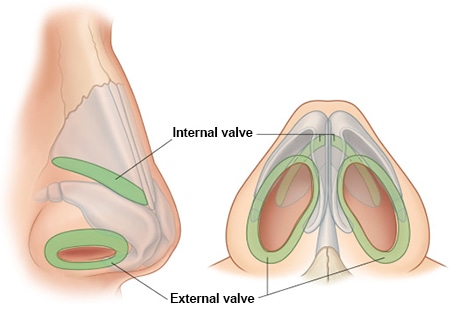
The nasal valve is the narrowest part of the nasal airway. It regulates airflow resistance and plays a critical role in how easily air passes through the nose. Even minor structural weakness in this area can significantly reduce breathing efficiency.
There are two primary components
Internal nasal valve
External nasal valve
When either of these areas collapses during inhalation, airflow becomes restricted. Patients may feel like one or both nostrils are blocked even though there is no mucus or infection present.
Common Causes of Nasal Valve Dysfunction
Nasal valve problems can develop for several reasons. Some people are born with narrow nasal passages, while others develop issues later in life.
Common causes include
Previous nasal trauma
Prior rhinoplasty that altered structural support
Aging related cartilage weakening
Severe septal deviation
Chronic inflammation
Athletes and individuals who have experienced facial injuries are particularly at risk. Over time, untreated dysfunction can lead to sleep disturbance, snoring, reduced exercise tolerance, and persistent fatigue.
Symptoms That Should Not Be Ignored
Recognizing symptoms early can prevent prolonged discomfort. Signs of nasal valve dysfunction often include
Difficulty breathing through the nose
Feeling of nasal collapse when inhaling deeply
Chronic mouth breathing
Snoring
Frequent sinus infections
Headaches related to poor airflow
Many patients notice that pulling the cheek slightly outward temporarily improves airflow. This simple observation often indicates structural collapse within the nasal valve.
How Diagnosis Is Made
A detailed physical examination by a facial plastic or ENT specialist is essential. During evaluation, the physician may perform a modified Cottle maneuver to assess valve stability. Endoscopic examination can provide a clearer internal view of the airway.
Imaging studies may be recommended in some cases, especially when sinus disease is also suspected. Accurate diagnosis ensures the treatment plan addresses the root cause rather than just managing symptoms.
Treatment Options Before Surgery
Not all patients require surgery immediately. Mild cases may respond to non surgical options such as
Nasal strips
Topical nasal sprays
Allergy management
Temporary internal nasal dilators
However, when structural weakness is significant, these approaches often provide only short term relief. In such situations, surgical correction becomes the most predictable solution.
Understanding Surgical Correction
nasal valve repair surgery focuses on strengthening and reshaping the nasal framework to prevent inward collapse. The procedure may involve cartilage grafting to reinforce weak areas. Cartilage is often taken from the septum, ear, or rib depending on the individual case.
The goal is both functional and structural. Surgeons carefully preserve the natural appearance of the nose while improving internal airflow. In some cases, this procedure is combined with septoplasty or functional rhinoplasty for comprehensive correction.
Relationship Between Septoplasty and Nasal Valve Repair
A deviated septum frequently coexists with valve dysfunction. Septoplasty straightens the internal nasal wall, improving airflow. However, septoplasty alone does not correct valve collapse. When both conditions are present, combined treatment yields better outcomes.
Modern facial plastic surgery practices emphasize tailored treatment plans rather than one size fits all solutions. This ensures that patients receive targeted correction based on their anatomy.
The Role of Balloon Sinuplasty in Breathing Improvement
While nasal valve repair addresses structural collapse, balloon sinuplasty targets blocked sinus passages. This minimally invasive procedure uses a small balloon catheter to gently widen sinus openings.
In practices such as Zandifar MD in Beverly Hills, balloon sinuplasty is often performed to relieve chronic sinus pressure and inflammation. When sinus blockage contributes to breathing difficulty, combining treatments may provide comprehensive relief.
Recovery and Healing Timeline
Recovery varies depending on the complexity of the procedure. Most patients experience mild swelling and congestion during the first week. Pain is generally manageable with prescribed medication.
Internal splints, if used, are usually removed within a week. Bruising is minimal when the procedure focuses primarily on internal correction. Patients are advised to avoid strenuous activity for several weeks to protect healing tissues.
Full improvement in breathing is often noticeable within a few weeks, with continued refinement as swelling subsides.
Who Is an Ideal Candidate
Candidates for surgical correction typically include individuals who
Experience persistent nasal blockage
Have structural collapse confirmed by examination
Do not respond to medical therapy
Seek long term improvement in airflow
A thorough consultation ensures realistic expectations and clear understanding of benefits and risks.
Choosing the Right Specialist
Facial anatomy is delicate and complex. Selecting a surgeon experienced in both cosmetic and functional nasal procedures is essential. Specialists trained in facial plastic surgery understand how to balance airflow improvement with aesthetic harmony.
In regions such as Los Angeles, where advanced facial procedures are widely available, patients often seek surgeons who integrate both structural expertise and aesthetic awareness. Those researching Nasal collapse surgery los angeles should prioritize board certification, surgical experience, and patient reviews when making their decision.
Long Term Benefits of Surgical Correction
Successful repair offers more than improved breathing. Patients often report
Better sleep quality
Reduced snoring
Improved exercise performance
Enhanced concentration
Relief from chronic sinus pressure
By restoring natural airflow, the body functions more efficiently. Oxygen intake improves, and daily activities feel less exhausting.
Risks and Considerations
As with any surgical procedure, there are potential risks. These may include
Swelling
Bleeding
Infection
Temporary numbness
Scar tissue formation
Choosing an experienced surgeon and following postoperative instructions carefully minimizes complications. Open communication with the surgical team is key to a smooth recovery.
Frequently Asked Questions
What is the difference between nasal valve repair and rhinoplasty
Rhinoplasty often focuses on reshaping the external appearance of the nose. Nasal valve repair specifically targets internal airflow obstruction. In some cases, both procedures are performed together for combined functional and aesthetic improvement.
How long does the surgery take
Most procedures take one to two hours depending on complexity. If combined with additional treatments, timing may vary.
Is the procedure painful
Discomfort is generally mild to moderate. Most patients describe congestion rather than sharp pain during recovery.
Will insurance cover the surgery
If the procedure is deemed medically necessary for breathing impairment, insurance may provide partial or full coverage. Cosmetic components are typically not covered.
How soon can I return to work
Many patients return to non physical work within one week. Strenuous activities should be avoided for several weeks.
Final Thoughts
Breathing freely should not be a daily struggle. Structural nasal issues, especially valve collapse, require careful evaluation and individualized treatment. While non surgical options may provide temporary relief, surgical correction offers long term improvement for appropriate candidates.
For individuals exploring functional nasal procedures, especially those researching Nasal collapse surgery los angeles, understanding the anatomy, treatment options, and recovery expectations is essential. With proper diagnosis and skilled surgical care, restoring comfortable and efficient breathing is an achievable goal.
Comments