In the complex world of modern surgery, the success of a procedure often hinges on the quality and reliability of the handheld instruments used by the operating team. Among these essential tools, the surgical elevator stands out as a fundamental implement designed for the manipulation, reflection, and dissection of tissues and bone. Whether facilitating access in orthopedic surgery or enabling delicate maneuvers in maxillofacial procedures, these instruments provide the mechanical advantage necessary for surgeons to perform with accuracy and control. Azeemed Instruments is dedicated to providing high-quality surgical tools that meet the needs of professionals, ensuring that every instrument delivers the durability and ergonomic performance required in high-stakes clinical environments.
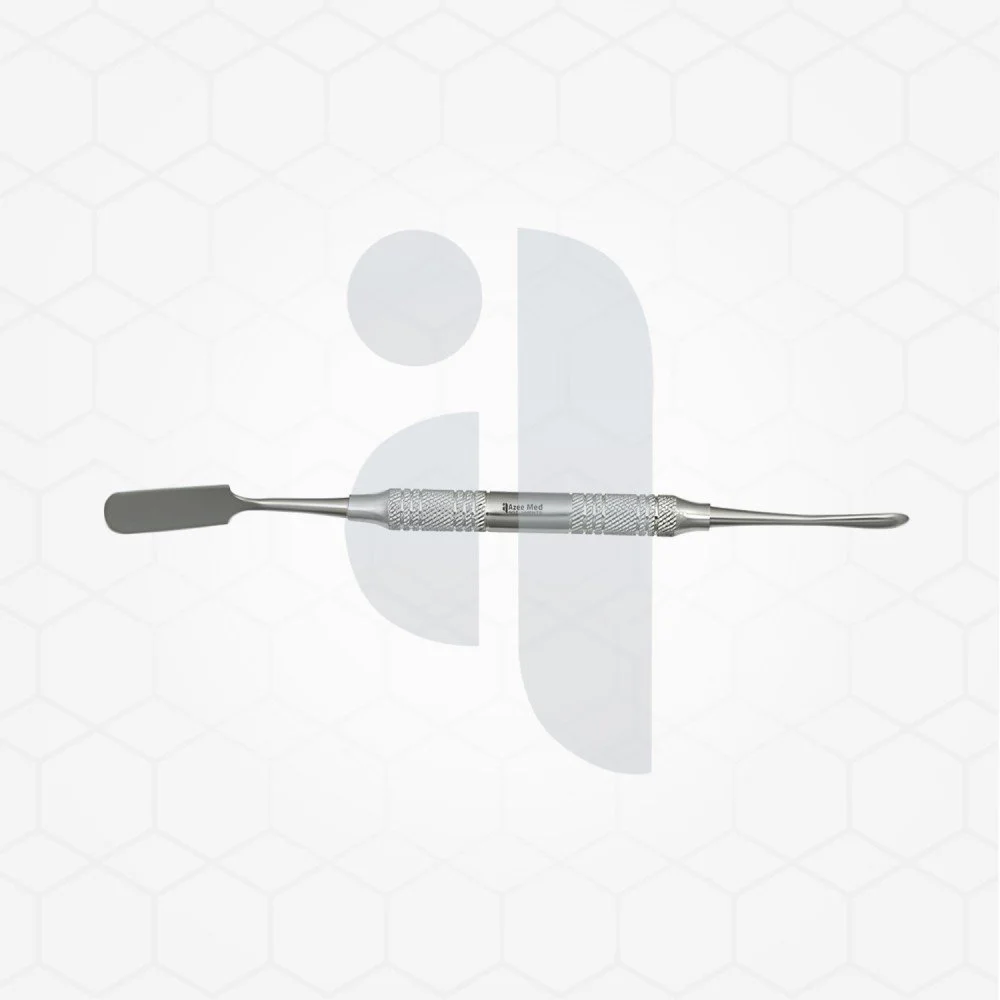
The Versatility of the Cottle Elevator in ENT Surgery
When discussing specialized tissue manipulation, the cottle elevator is widely considered a staple in the field of Otorhinolaryngology (ENT) and plastic surgery. This double-ended instrument is specifically engineered for nasal and septal procedures, such as septoplasty or rhinoplasty, where precise control is paramount. The design typically features a flat, rounded blade on one end and a slightly sharper or more pointed edge on the other, allowing the surgeon to seamlessly transition between elevating mucoperichondrial or mucoperiosteal flaps and separating soft nasal tissues. By utilizing this surgical elevator variant, clinicians can safely lift delicate layers away from the nasal septum without causing unnecessary trauma to the surrounding cartilage or sensitive vascular structures. The ergonomic, often serrated handle of the Cottle design ensures a non-slip grip, providing the tactile feedback necessary for navigating the narrow, deep confines of the nasal cavity.
Core Functions and Applications of Surgical Elevators
Material Science and Manufacturing Standards
A high-quality surgical elevator must withstand the rigorous demands of the operating room, including repeated exposure to ultrasonic cleaners, chemical disinfectants, and high-pressure steam sterilization (autoclaving). Azeemed Instruments emphasizes the use of medical-grade, corrosion-resistant stainless steel to fabricate these tools, ensuring they maintain their edge integrity and structural rigidity over time. The manufacturing process involves meticulous grinding and polishing of the working ends to create a smooth surface that glides against tissue, reducing the risk of accidental tearing or piercing. By adhering to these stringent material standards, surgical manufacturers provide instruments that remain reliable throughout their lifecycle, offering surgeons the consistency needed to focus entirely on patient outcomes.
Selecting the Right Instrument for Clinical Success
Choosing the appropriate surgical elevator depends heavily on the specific requirements of the surgical specialty and the anatomy involved. While a broad, heavy-duty periosteal elevator may be ideal for a total hip replacement, it would be entirely inappropriate for the delicate work of a cleft palate repair or nasal reconstruction. Surgeons must consider factors such as handle balance, blade width, and edge sharpness to ensure the instrument complements their technique rather than hindering it. Investing in a comprehensive range of professional-grade instruments allows surgical teams to be prepared for both routine interventions and unexpected intraoperative challenges. Through commitment to precision engineering and superior materials, providers like Azeemed Instruments continue to support the medical community in delivering safe, effective, and high-standard surgical care.
Comments