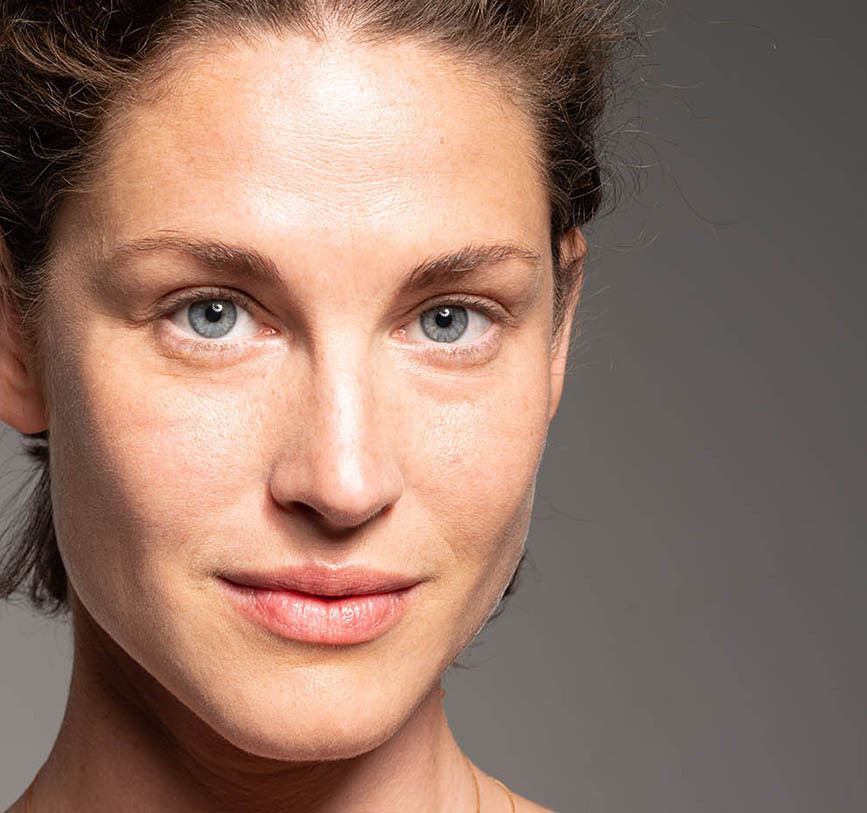
The appearance of the upper eyelids can gradually change as the skin loses elasticity and the tissues around the eyes alter with age. For some people, excess upper-eyelid skin can become noticeable when the eyes are open, while others may feel that their eyelids look heavier or less defined than they once did. When considering Upper Blepharoplasty in London, one of the most important parts of the consultation is determining how much excess skin is actually present.
Evaluating excess skin is not simply a matter of looking at the eyelid and estimating an amount to remove. A surgeon needs to assess the eyelid anatomy, skin quality, natural crease, eyebrow position, facial proportions, and the relationship between the upper eyelid and surrounding structures. The goal is to establish an appropriate surgical plan that is tailored to the individual's anatomy.
Understanding how this assessment is performed can help patients prepare for an Upper Eyelid Surgery In London consultation and understand why measurements and clinical examination are important before treatment.
Why Is Excess Upper-Eyelid Skin Evaluated Carefully?
The upper eyelid is a delicate anatomical area, and relatively small changes can influence the overall appearance of the eyes. The amount of skin that appears excessive can also vary depending on factors such as facial expression, eyebrow position, lighting, and whether the eyes are naturally open or relaxed.
During an Upper Blepharoplasty in London consultation, the surgeon therefore looks beyond the visible fold of skin. The assessment is intended to understand the patient's individual eyelid structure and determine which tissues contribute to the appearance of heaviness.
This evaluation can also help distinguish between excess skin and other factors that may create a similar appearance. For example, the position of the eyebrow or the underlying tissues of the upper eyelid may influence how much skin appears to sit over the eyelid crease.
What Happens During the Initial Eyelid Assessment?
The assessment generally begins with a detailed consultation. The surgeon discusses the patient's concerns, what they would like to improve, and how they perceive the appearance of their upper eyelids.
The eyelids are then examined both at rest and with the eyes open and closed. This allows the surgeon to observe how the skin folds and moves naturally.
A clinical assessment may consider:
- The amount of loose or folded skin
- The position and definition of the upper-eyelid crease
- Skin elasticity
- The position of the eyebrows
- The shape and symmetry of the eyelids
- The underlying eyelid tissues
- The relationship between the upper eyelid and the eye itself
- Differences between the left and right sides
These observations help create a more individualized plan rather than applying the same measurement to every patient.
How Is the Amount of Excess Skin Measured?
There is no single measurement that determines exactly how much skin should be removed from every patient. Instead, surgeons use anatomical landmarks and clinical judgment to establish an appropriate amount.
One important consideration is the natural upper-eyelid crease. The surgeon examines where the crease sits and how much skin remains between the crease and the eyelashes when the eyes are open.
The surgeon may gently manipulate the eyelid skin during the examination to assess how much tissue can be repositioned without creating an excessively tight appearance.
Measurements can be taken using clinical instruments or markings made during the consultation or immediately before surgery. These measurements are used as part of the overall assessment rather than as an isolated number.
The objective is to identify skin that is genuinely excessive while preserving the natural structure and proportions of the eyelid.
Why Is Skin Elasticity Important?
The quantity of excess skin is only one part of the evaluation. Skin quality also matters.
Two patients may have a similar amount of visible eyelid skin but very different skin characteristics. One may have relatively firm skin, while another may have thinner or less elastic tissue.
During the assessment, the surgeon considers how the skin behaves when gently stretched or repositioned. This can provide useful information about its elasticity and how it contributes to the eyelid's appearance.
For patients researching Upper Eyelid Surgery In London, this is an important distinction because the surgical plan is based on both the quantity and characteristics of the tissue.
How Does Eyebrow Position Affect the Assessment?
The eyebrows and upper eyelids work together to create the appearance of the upper third of the face. For this reason, eyebrow position is an important part of an eyelid consultation.
A lower or heavier eyebrow position can make the upper eyelid appear more crowded, even when the actual amount of excess eyelid skin is relatively modest.
The surgeon may therefore assess the eyebrows while the patient is relaxed and during different facial expressions. This helps determine whether the visible heaviness is primarily related to the eyelid skin or whether the eyebrow position is also contributing.
This distinction is particularly important when planning Upper Blepharoplasty in London, because removing skin without considering the surrounding anatomy may not address the patient's main concern.
Why Are Both Eyes Assessed Separately?
Facial symmetry is rarely perfectly identical. One upper eyelid may naturally have slightly more skin, a different crease position, or a subtle difference in eyebrow height compared with the other.
For this reason, the surgeon evaluates each side individually rather than assuming that exactly the same amount of skin should be removed from both eyelids.
Photographs may also be taken as part of the assessment. Standardized images can help document the starting appearance and provide a reference for planning.
The assessment focuses on creating balance while respecting the patient's natural facial characteristics.
What Is Considered Before Deciding How Much Skin to Remove?
Several anatomical factors are considered together before a surgical plan is developed.
Natural Eyelid Crease
The position and shape of the crease provide an important reference point when evaluating the amount of visible upper-eyelid skin.
Skin Laxity
Loose skin can fold over the eyelid area and contribute to a heavier appearance. Its degree of laxity helps the surgeon determine how much tissue may be appropriate to address.
Eyelid Anatomy
The underlying structures of the eyelid are considered alongside the skin. A surgeon does not assess the visible skin in isolation.
Brow Position
The relationship between the eyebrow and upper eyelid can influence the amount of apparent excess skin.
Facial Proportions
The eyelids are considered as part of the entire face. A treatment plan is therefore individualized according to the patient's facial proportions rather than based solely on a predetermined measurement.
Is a Larger Amount of Skin Always Removed for More Hooded Eyelids?
Not necessarily. The appearance of hooding does not automatically mean that a large amount of skin should be removed.
A hooded appearance can result from several anatomical characteristics, including skin laxity, tissue distribution, eyelid structure, and eyebrow position.
The surgeon therefore evaluates what is creating the appearance before deciding on the appropriate approach.
This is one reason a consultation at a reputable Blepharoplasty Clinic in London is important. The assessment allows the surgeon to understand the patient's anatomy instead of relying solely on photographs or a general description of the concern.
How Are Patient Expectations Considered?
A successful consultation involves more than anatomical measurements. Patients should have the opportunity to explain what they notice about their eyelids and what they hope to improve.
Some people may be primarily concerned about excess skin covering the upper eyelid. Others may want their eyes to appear more open or refreshed.
The surgeon can discuss which concerns are related to excess skin and which may be influenced by other facial structures.
At bodyvie clinic, a consultation-based approach allows the treatment plan to be considered in relation to the individual's anatomy and aesthetic objectives.
Why Is Conservative Evaluation Important?
The upper eyelid has a naturally delicate appearance, so the evaluation should focus on identifying the appropriate amount of tissue rather than simply removing as much visible skin as possible.
A measured approach allows the surgeon to consider eyelid proportions, natural crease position, skin quality, and surrounding structures.
The final plan should therefore be based on the patient's anatomy and the findings of the clinical assessment.
What Should Patients Ask During an Upper Blepharoplasty Consultation?
Patients considering Upper Blepharoplasty in London may find it useful to ask how the surgeon evaluates excess skin and which anatomical factors are being considered.
Useful questions include:
- How is the amount of excess skin assessed?
- Where is my natural eyelid crease?
- How does my eyebrow position affect the appearance of my eyelids?
- Is the amount of skin different between my two eyelids?
- How does my skin elasticity influence the treatment plan?
- What measurements are used when planning the procedure?
- What changes can realistically be expected from upper eyelid surgery?
These questions can make the consultation more informative and help patients understand how their individual treatment plan is developed.
Why Individual Assessment Matters
Every patient's eyelids have different proportions, tissue characteristics, and patterns of ageing. Consequently, there is no universal amount of skin that should be removed during upper eyelid surgery.
A detailed assessment allows the surgeon to identify the characteristics responsible for the patient's concerns and develop a plan accordingly.
For anyone considering Upper Eyelid Surgery In London, understanding this process can make the consultation less mysterious. The surgeon's decision is based on a combination of visual examination, anatomical landmarks, skin characteristics, facial proportions, and the patient's objectives.
Conclusion
Evaluating excess skin is a central part of planning Upper Blepharoplasty in London. Rather than relying on a standard measurement, the surgeon assesses the eyelid in relation to its natural crease, skin elasticity, eyebrow position, symmetry, underlying anatomy, and overall facial proportions.
Measurements and clinical observations help determine which tissue is contributing to the appearance of heaviness and how an individualized treatment plan can be developed. This careful assessment is particularly important because the upper eyelid is a highly visible and delicate part of the face.
Choosing an experienced Blepharoplasty Clinic in London gives patients an opportunity to discuss their concerns, understand the assessment process, and learn how the proposed approach relates to their individual anatomy.
Frequently Asked Questions
How does a surgeon determine whether I have excess upper-eyelid skin?
The surgeon examines the eyelids with the eyes open and closed, evaluates the natural crease and skin laxity, and considers eyebrow position, symmetry, and the surrounding facial anatomy.
Is there a standard amount of skin removed during upper blepharoplasty?
No. The amount varies from person to person. The surgical plan is based on individual anatomy, skin characteristics, eyelid proportions, and the patient's treatment objectives.
Does eyebrow position affect the amount of excess eyelid skin?
Yes. The position of the eyebrow can influence how much upper-eyelid skin appears visible or folded, so it is normally considered during the overall assessment.
Are both upper eyelids measured separately?
The two sides are assessed individually because natural facial asymmetry is common. The findings can help the surgeon develop a balanced treatment plan.
Why is skin elasticity considered before upper eyelid surgery?
Skin elasticity influences how the eyelid skin behaves and how much visible laxity is present. It is therefore one of several factors considered when determining the appropriate treatment approach.
Can photographs be used to evaluate excess eyelid skin?
Photographs can help document the appearance of the eyelids and support the consultation, but an in-person clinical assessment provides additional information about skin movement, elasticity, eyelid anatomy, and eyebrow position.
What should I expect during an Upper Blepharoplasty consultation in London?
You can generally expect a discussion about your concerns and desired outcome, followed by an examination of the eyelids and surrounding facial structures. The surgeon can then explain how the findings influence the proposed treatment approach.
Is upper blepharoplasty suitable for everyone with hooded eyelids?
Not necessarily. Hooding can have different causes, so an assessment is needed to determine whether excess skin is the main factor and whether upper eyelid surgery is an appropriate option.
How important is the natural eyelid crease when evaluating excess skin?
The natural crease is an important anatomical reference. Its position and relationship with the eyelashes and surrounding skin can help the surgeon assess the amount and location of excess tissue.
Where can patients discuss upper eyelid surgery in London?
Patients can arrange a consultation with a suitable Blepharoplasty Clinic in London, such as bodyvie clinic, to discuss their individual eyelid concerns and understand how excess skin would be assessed.
Comments