What Are The Most Common Rhinoplasty Procedures?
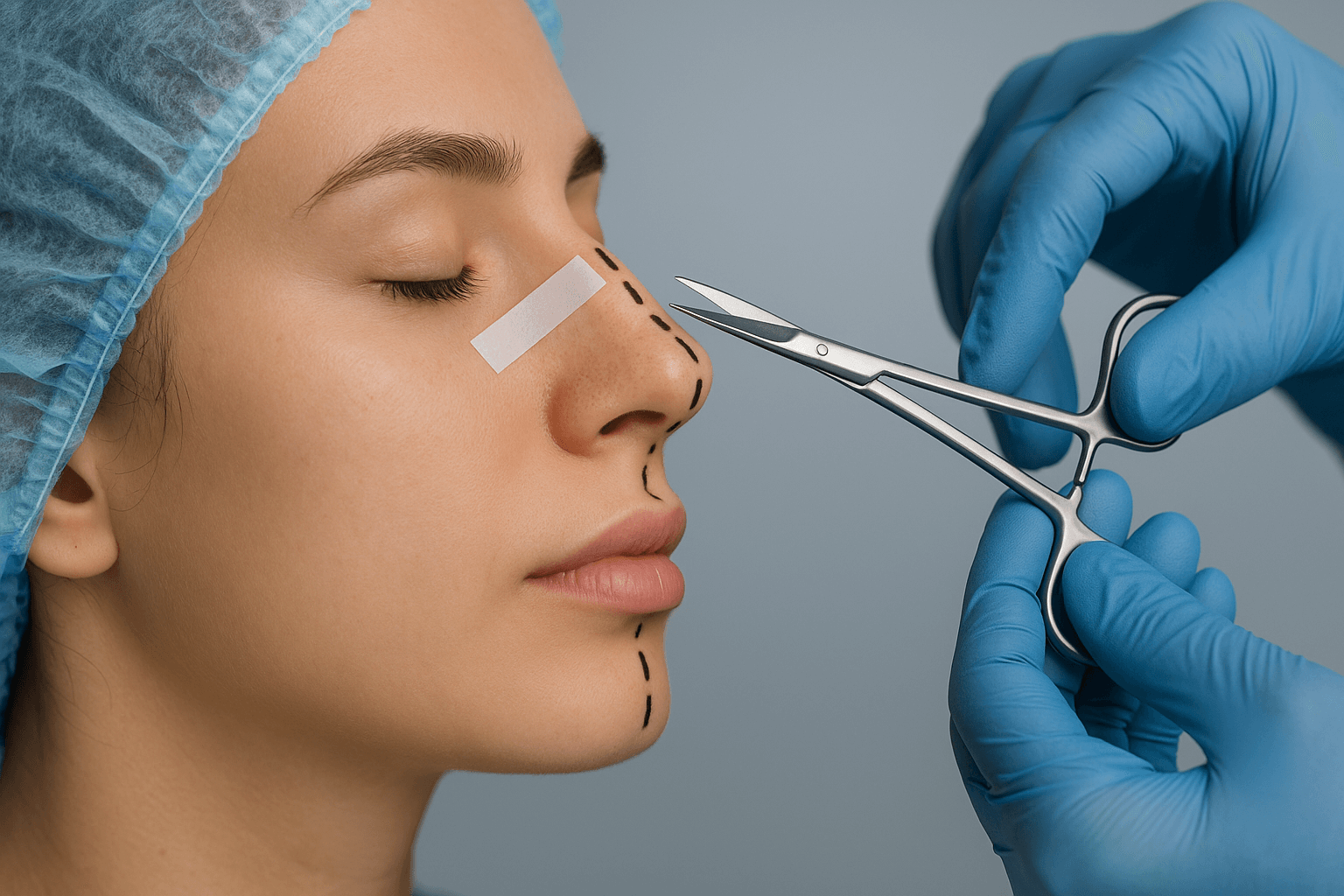
A well-balanced nose can make a significant difference in facial harmony and self-confidence. Rhinoplasty remains one of the most requested cosmetic and functional surgeries in the United States because it can address both appearance and breathing concerns. Many patients seek guidance from the best rhinoplasty surgeon in utah to understand their options and achieve natural-looking results. Knowing the most common procedures can help you make informed decisions before surgery.
Understanding Rhinoplasty and Its Purpose
Rhinoplasty is a surgical procedure that reshapes or reconstructs the nose. It can improve facial balance, correct structural issues, and enhance breathing function. Patients choose rhinoplasty for cosmetic reasons, medical needs, or a combination of both.
The procedure is highly personalized because every nose has unique features. A qualified rhinoplasty surgeon develops a treatment plan based on facial proportions, nasal anatomy, and the patient's goals.
Cosmetic Rhinoplasty
Cosmetic rhinoplasty focuses on improving the appearance of the nose. Many people seek this procedure to create better facial symmetry and boost confidence.
Common cosmetic concerns include a nasal hump, a wide bridge, a drooping tip, or uneven nostrils. Through careful adjustments, a rhinoplasty surgeon can refine these features while maintaining a natural appearance.
Dorsal Hump Reduction
A dorsal hump is a noticeable bump along the bridge of the nose. This feature may be inherited or develop after an injury.
During surgery, the surgeon carefully removes excess bone and cartilage to create a smoother profile. Patients often choose this procedure to achieve a more balanced side view.
Nasal Tip Refinement
The nasal tip plays a major role in the overall appearance of the nose. Some people have a bulbous, drooping, or asymmetrical tip.
Tip refinement reshapes cartilage to improve definition and proportion. Small changes in this area can produce significant improvements in facial harmony.
Nose Straightening
A crooked nose can result from genetics or trauma. In many cases, the condition affects both appearance and breathing.
This procedure repositions bone and cartilage to create a straighter nasal structure. The result often improves aesthetics while supporting better airflow.
Functional Rhinoplasty
Functional rhinoplasty addresses structural problems that interfere with breathing. Although appearance may improve as a secondary benefit, the primary goal is restoring proper nasal function.
Many patients experience chronic congestion, difficulty breathing during exercise, or poor sleep due to nasal obstruction. Functional procedures can provide lasting relief.
Septoplasty Combined With Rhinoplasty
The nasal septum divides the two nasal passages. A deviated septum can block airflow and cause breathing difficulties.
Septoplasty straightens the septum to improve airflow. It is frequently combined with rhinoplasty to enhance both function and appearance during a single surgery.
Nasal Valve Repair
The nasal valve is the narrowest part of the airway. Weak or collapsed nasal valves can restrict breathing significantly.
Repairing this area strengthens the nasal structure and improves airflow. Many patients notice immediate breathing benefits after recovery.
Revision Rhinoplasty
Revision rhinoplasty is performed when a patient is dissatisfied with the results of a previous nose surgery or experiences ongoing functional issues.
This procedure is generally more complex than primary rhinoplasty because scar tissue and altered anatomy must be addressed. An experienced rhinoplasty surgeon carefully evaluates the existing structure before developing a corrective plan.
Correcting Cosmetic Concerns
Some patients seek revision surgery because they are unhappy with the shape, size, or symmetry of their nose after an earlier procedure.
Revision techniques focus on refining previous results while preserving nasal function. The goal is to create a more natural and balanced appearance.
Restoring Nasal Function
Breathing problems can sometimes develop after an earlier surgery. Structural support may need to be rebuilt to improve airflow.
Revision procedures often use cartilage grafts to strengthen weakened areas and restore proper nasal function.
Ethnic Rhinoplasty
Ethnic rhinoplasty respects and preserves unique cultural and ethnic characteristics while addressing specific concerns. Patients often want refinement without losing important features that reflect their heritage.
A customized approach helps achieve natural-looking results that complement the individual's facial structure. Careful planning is essential to maintain authenticity and balance.
Reconstructive Rhinoplasty
Reconstructive rhinoplasty repairs damage caused by trauma, birth defects, or medical conditions. The procedure aims to restore both appearance and function.
Patients who have experienced accidents, sports injuries, or congenital abnormalities often benefit from reconstructive techniques. These procedures may require advanced surgical methods and cartilage grafting.
Trauma Reconstruction
Nasal fractures can affect breathing and facial appearance. Trauma reconstruction repairs damaged bone and cartilage while restoring structural integrity.
The surgeon carefully rebuilds the nose to improve both function and aesthetics. Recovery outcomes often depend on the severity of the injury.
Congenital Defect Correction
Some individuals are born with nasal abnormalities that impact breathing or appearance. Reconstructive surgery can address these concerns and improve quality of life.
The treatment plan varies according to the patient's condition and long-term goals.
Open vs. Closed Rhinoplasty Techniques
Surgeons commonly use two main surgical approaches: open rhinoplasty and closed rhinoplasty. The best technique depends on the complexity of the procedure.
Open Rhinoplasty
Open rhinoplasty involves a small incision between the nostrils. This approach provides greater visibility and access to nasal structures.
Surgeons often choose this technique for complex reshaping, revision cases, or extensive reconstruction.
Closed Rhinoplasty
Closed rhinoplasty places all incisions inside the nostrils. As a result, there are no visible external scars.
This method may reduce swelling and recovery time for suitable candidates. However, it is generally best for less complex corrections.
Factors to Consider Before Rhinoplasty
Choosing to undergo rhinoplasty requires careful planning. Understanding important factors beforehand can help improve satisfaction with the results.
Consider the following points before scheduling surgery:
- Clearly define your goals and expectations.
- Choose a board-certified and experienced surgeon.
- Review before-and-after photos of previous patients.
- Discuss breathing concerns as well as cosmetic goals.
- Understand the recovery timeline and restrictions.
- Follow all preoperative and postoperative instructions.
Thorough preparation can contribute to a smoother surgical experience and better outcomes.
What to Expect During Recovery
Recovery varies from person to person, but most patients experience swelling, bruising, and mild discomfort during the first few weeks. These effects gradually improve as healing progresses.
Many people return to work within one to two weeks, depending on their procedure. However, final results may take several months to become fully visible as residual swelling continues to decrease.
Following postoperative instructions is essential for optimal healing. Patients should avoid strenuous activity, protect the nose from injury, and attend all follow-up appointments.
Choosing the Right Surgeon for Your Procedure
Selecting the right surgeon is one of the most important decisions in the rhinoplasty process. Experience, surgical skill, and aesthetic judgment all contribute to successful outcomes.
Look for a surgeon who specializes in nasal procedures and has extensive experience with cases similar to yours. During consultations, ask questions about techniques, recovery expectations, and anticipated results.
A trustworthy surgeon will provide honest recommendations and explain both the benefits and limitations of the procedure. Clear communication helps establish realistic expectations and greater confidence before surgery.
Conclusion
Rhinoplasty is a versatile procedure that can improve appearance, correct structural problems, and enhance breathing function. From cosmetic refinements and septoplasty to revision and reconstructive surgeries, each procedure serves a specific purpose based on individual needs. Understanding the most common rhinoplasty options allows patients to make informed decisions and approach surgery with realistic expectations. Careful research, thorough consultations, and selecting a qualified surgeon are essential steps toward achieving safe, natural-looking, and satisfying results. With the right approach, rhinoplasty can provide lasting improvements in both confidence and quality of life.
Comments