What Are the Signs of Weak Hips?
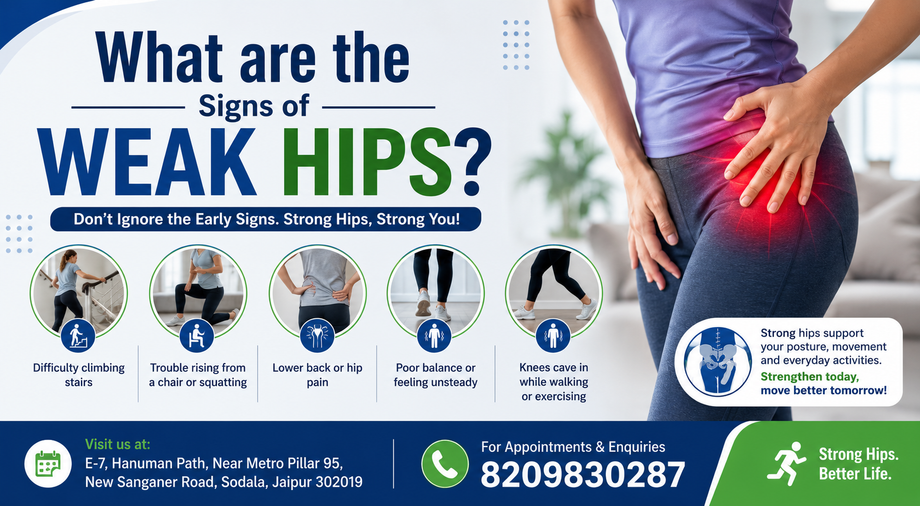
Healthy hips are essential for maintaining balance, supporting body weight, and enabling smooth movement during everyday activities. When the muscles around the hips become weak, they can affect posture, walking, and even the health of your knees and lower back. Recognizing the early signs of weak hips allows you to seek timely treatment and prevent further complications. If persistent pain or reduced mobility is affecting your daily life, consulting a hip joint replacement doctor in India can help determine the underlying cause and the most appropriate treatment.
Why Strong Hips Matter
The hip is one of the largest and strongest joints in the body. It supports your body weight during standing, walking, climbing stairs, and running. The surrounding muscles, ligaments, and tendons work together to stabilize the joint and provide smooth movement.
Weak hips may develop due to aging, arthritis, prolonged sitting, lack of exercise, previous injuries, obesity, or certain medical conditions. In some cases, weakness may also indicate progressive joint damage that requires medical evaluation.
Common Signs of Weak Hips
1. Pain Around the Hip Joint
Persistent pain in the hip, groin, buttock, or outer thigh is often one of the earliest signs of hip weakness. The discomfort may worsen after prolonged walking, climbing stairs, or standing for long periods.
Pain that continues despite rest should always be evaluated by an orthopedic specialist.
2. Difficulty Walking
Weak hip muscles reduce stability, making walking more difficult. You may notice:
- A limp while walking
- Slower walking speed
- Difficulty walking long distances
- Feeling unsteady on uneven surfaces
These symptoms can gradually affect your independence and quality of life.
3. Trouble Climbing Stairs
Climbing stairs places significant stress on the hip muscles. Weak hips often make stair climbing painful or exhausting. Some people may rely heavily on handrails for support or avoid stairs altogether.
4. Poor Balance
The hip muscles play an important role in maintaining balance. Weakness can increase your risk of stumbling or falling, particularly in older adults.
If you frequently lose balance without an obvious reason, your hips may require evaluation.
5. Reduced Range of Motion
Stiffness in the hip joint can make everyday activities challenging. You may find it difficult to:
- Bend down
- Sit cross-legged
- Get in or out of a car
- Put on shoes and socks
Limited mobility often develops gradually and may worsen without proper treatment.
6. Lower Back or Knee Pain
Weak hips often force nearby joints to compensate, leading to pain in the lower back or knees. Many people treat these symptoms without realizing that the hips are the actual source of the problem.
Conditions That Can Cause Weak Hips
Several medical conditions may contribute to hip weakness, including:
- Hip osteoarthritis
- Rheumatoid arthritis
- Hip bursitis
- Muscle strain
- Tendon injuries
- Hip fractures
- Hip impingement
- Previous hip surgery
- Age-related muscle loss
An experienced Arthritis Doctor in Jaipur can identify whether arthritis or another joint disorder is contributing to hip weakness and recommend appropriate treatment.
How Are Weak Hips Diagnosed?
Diagnosis typically begins with a detailed medical history and physical examination. Your doctor may assess:
- Walking pattern
- Muscle strength
- Joint flexibility
- Balance
- Leg length
- Pain location
Additional investigations may include:
- X-rays
- MRI scans
- CT scans
- Blood tests (if inflammatory arthritis is suspected)
Early diagnosis helps prevent further joint damage and improves treatment outcomes.
Treatment Options for Weak Hips
Treatment depends on the underlying cause and severity of symptoms.
Lifestyle Modifications
Simple lifestyle changes often improve hip function, including:
- Maintaining a healthy weight
- Staying physically active
- Avoiding prolonged sitting
- Wearing supportive footwear
Physiotherapy
Targeted exercises strengthen the muscles around the hip, improve flexibility, and restore stability. A personalized rehabilitation program is often the first line of treatment.
Medications
Doctors may recommend pain relievers or anti-inflammatory medications to reduce discomfort and improve mobility.
Assistive Devices
Walking aids such as canes or walkers may temporarily reduce pressure on the hip joint while recovery progresses.
Hip Replacement Surgery
When severe arthritis or joint damage significantly limits movement and causes persistent pain, hip replacement surgery may become the most effective solution. Modern surgical techniques provide excellent long-term outcomes for appropriately selected patients.
Exercises That Help Strengthen the Hips
Your healthcare provider may recommend exercises such as:
- Glute bridges
- Side leg raises
- Clamshell exercises
- Standing hip abductions
- Gentle stretching
- Balance training
These exercises should always be performed under professional guidance, especially if significant joint pain is present.
Frequently Asked Questions
1. What causes weak hips?
Weak hips may result from aging, arthritis, muscle weakness, prolonged inactivity, injuries, obesity, or underlying joint conditions.
2. Can weak hips be reversed?
In many cases, yes. Physiotherapy, strengthening exercises, weight management, and appropriate medical treatment can significantly improve hip strength and function.
3. How do I know if my hip pain is serious?
Persistent pain lasting several weeks, difficulty walking, severe stiffness, or pain that interferes with daily activities should be evaluated by an orthopedic specialist.
4. Does arthritis cause weak hips?
Yes. Arthritis gradually damages the hip joint, causing pain, stiffness, muscle weakness, and reduced mobility.
5. When is hip replacement recommended?
Hip replacement is usually recommended when conservative treatments no longer relieve pain and the damaged joint significantly limits daily activities.
Conclusion
Weak hips should never be ignored, especially when symptoms begin affecting your mobility, balance, or quality of life. Early diagnosis and timely treatment can prevent further joint damage and help you maintain an active lifestyle. Whether the cause is muscle weakness, arthritis, or structural problems within the joint, consulting an experienced orthopedic specialist is the best way to receive an accurate diagnosis and personalized treatment plan. Individuals experiencing restricted hip movement due to conditions such as femoroacetabular impingement may also benefit from Hip Impingement Treatment in Jaipur, which can help relieve pain, restore movement, and improve long-term joint health before more advanced interventions become necessary.
Comments