What Common Issues Affect Adas Sensor Performance Today?
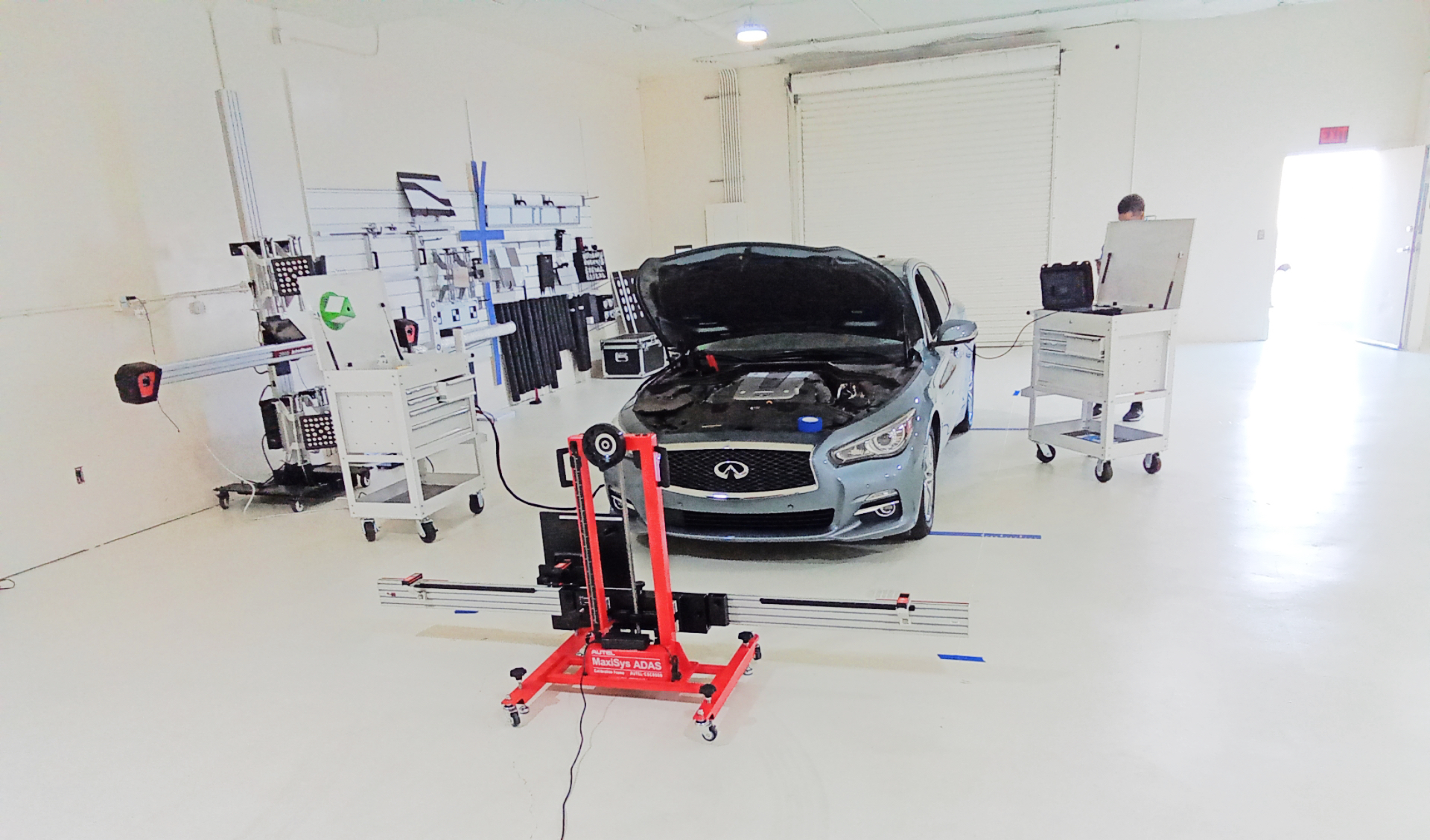
Advanced Driver Assistance Systems (ADAS) rely on highly accurate sensors to improve vehicle safety and driving efficiency. Certified ADAS center ensure these systems are correctly maintained and calibrated to provide optimal performance. Sensor disruptions, even minor, can compromise accuracy, leading to false warnings or missed detections. Understanding the factors that affect sensor performance is crucial for vehicle owners. Regular monitoring, maintenance, and professional servicing help preserve system reliability, ensuring drivers can trust ADAS features for timely alerts, automated braking, and lane assistance on every journey.
Environmental Challenges
Environmental conditions can significantly impact ADAS sensor performance. Heavy rain, snow, fog, or dust can block cameras and radar, reducing accuracy and creating false alerts. Sun glare and reflections may also interfere with sensor readings, causing missed warnings or delayed responses. Road salt, mud, and accumulated debris further compromise functionality. Routine cleaning, careful driving in adverse weather, and sensor protection during harsh conditions are essential. Maintaining clear sensor pathways ensures the system captures accurate data, allowing features like collision warnings, lane departure alerts, and pedestrian detection to operate reliably.
Physical Damage
Physical damage to vehicle components can hinder sensor performance, even after minor accidents. Bumpers, windshields, and sensor housings are vulnerable to impacts that may misalign cameras or radar units. Scratches, dents, or cracks often lead to inaccurate sensor readings, reducing the effectiveness of automated safety features. Vehicle owners should inspect sensors immediately after any collision or contact with obstacles. Prompt repair and professional servicing at certified ADAS centers restore proper functionality. This prevents long-term damage and ensures that adaptive cruise control, emergency braking, and lane-keeping systems continue operating safely.
Improper Calibration
Proper calibration is essential for ADAS sensors to detect obstacles and provide accurate warnings. Misalignment after windshield replacement, collision repair, or sensor installation can result in false alerts or undetected hazards. Even factory-calibrated systems can drift due to vibrations or wear. Certified technicians use specialized tools and procedures to restore precise alignment, safeguarding critical functions such as lane departure warnings, adaptive cruise control, and automatic emergency braking. Neglecting calibration compromises sensor accuracy, increasing the risk of accidents. Timely professional calibration ensures ADAS systems perform reliably, protecting drivers, passengers, and pedestrians.
Software & Firmware Issues
ADAS sensors depend on up-to-date software and firmware to function correctly. Outdated software may delay warnings, cause false alerts, or lead to system failures. Manufacturers regularly release updates to improve performance, fix bugs, and optimize sensor responsiveness. Vehicle owners should schedule software checks at certified service centers to maintain system accuracy. Promptly installing updates ensures sensors process environmental data effectively, reducing errors during real-world driving. Maintaining current firmware enhances safety features such as automatic braking, lane-keeping assistance, and adaptive cruise control while preventing malfunctions that could compromise overall system reliability.
Common Maintenance Mistakes
Neglecting routine sensor inspections, using abrasive cleaning materials, and attempting DIY calibration can cause sensor problems. Ignoring warning lights or error codes after repairs further increases risk. Certified ADAS centers identify potential issues early, preventing long-term damage. Failing to recalibrate sensors after windshield replacement or component repair can compromise automated safety systems. Routine professional maintenance ensures cameras, radar, and lidar units remain aligned and functional. Following manufacturer-recommended procedures minimizes false alerts and missed detections, preserving the accuracy and reliability of ADAS systems, and maintaining safe operation under all driving conditions.
Interference from Accessories
Aftermarket modifications, such as spoilers, decals, or tinted films, can obstruct ADAS sensors or reflect radar signals incorrectly. Even minor changes near sensor locations may result in false positives, missed detections, or delayed warnings. Vehicle owners should consult technicians before installing any accessories around sensor areas. Maintaining unobstructed sensors ensures accurate environmental monitoring. Correct placement and manufacturer-approved modifications allow ADAS systems to operate reliably. Clear sensor pathways enable features such as collision avoidance, lane-keeping assistance, and pedestrian detection to provide timely intervention, reducing the risk of accidents and preserving vehicle safety performance.
Aging & Wear
Sensors degrade over time due to environmental exposure, repeated use, and natural component wear. Electronic units may lose sensitivity, camera lenses may scratch, and radar precision can decline. Aging may also increase calibration drift, reducing detection accuracy. Regular inspections at certified ADAS centers help identify early signs of wear. Timely replacement or servicing prevents unexpected sensor failure. Maintaining functional, precise sensors ensures that automated safety systems continue to respond effectively to road hazards. Proactive maintenance extends the life of ADAS components, protecting drivers and passengers while maintaining reliable performance in all driving conditions.
Conclusion
ADAS sensors are essential for vehicle safety, but their performance is affected by environmental conditions, physical damage, calibration errors, software issues, accessory interference, and natural wear. Vehicle owners should prioritize inspections, timely repairs, and professional servicing at certified ADAS centers. Regular maintenance ensures sensors remain precise and fully operational. Proper attention to these factors allows automated safety systems to function accurately, protecting drivers, passengers, and pedestrians, while maximizing the effectiveness of advanced driver assistance technologies on the road.
FAQs
How often should ADAS sensors be inspected?
Professional inspections are recommended after any collision, windshield replacement, or visible damage, and at least annually for routine maintenance.
Can environmental factors permanently damage ADAS sensors?
Debris, road salt, or accumulated dirt can impair performance, but regular cleaning and protective care prevent permanent damage.
Why is sensor calibration critical for ADAS systems?
Calibration ensures accurate detection of obstacles, proper lane guidance, and reliable automatic braking. Misaligned sensors may cause false warnings or failures.
Are aftermarket accessories harmful to sensor performance?
Yes. Modifications near sensor areas, such as spoilers or tinted films, can block cameras and reflect radar, affecting detection accuracy.
How does aging affect ADAS sensor accuracy?
Over time, sensors lose sensitivity, lenses scratch, and calibration may drift. Routine maintenance and replacement ensure reliable performance.
Comments