What Factors Affect The Cost Of A Party Rental Event?
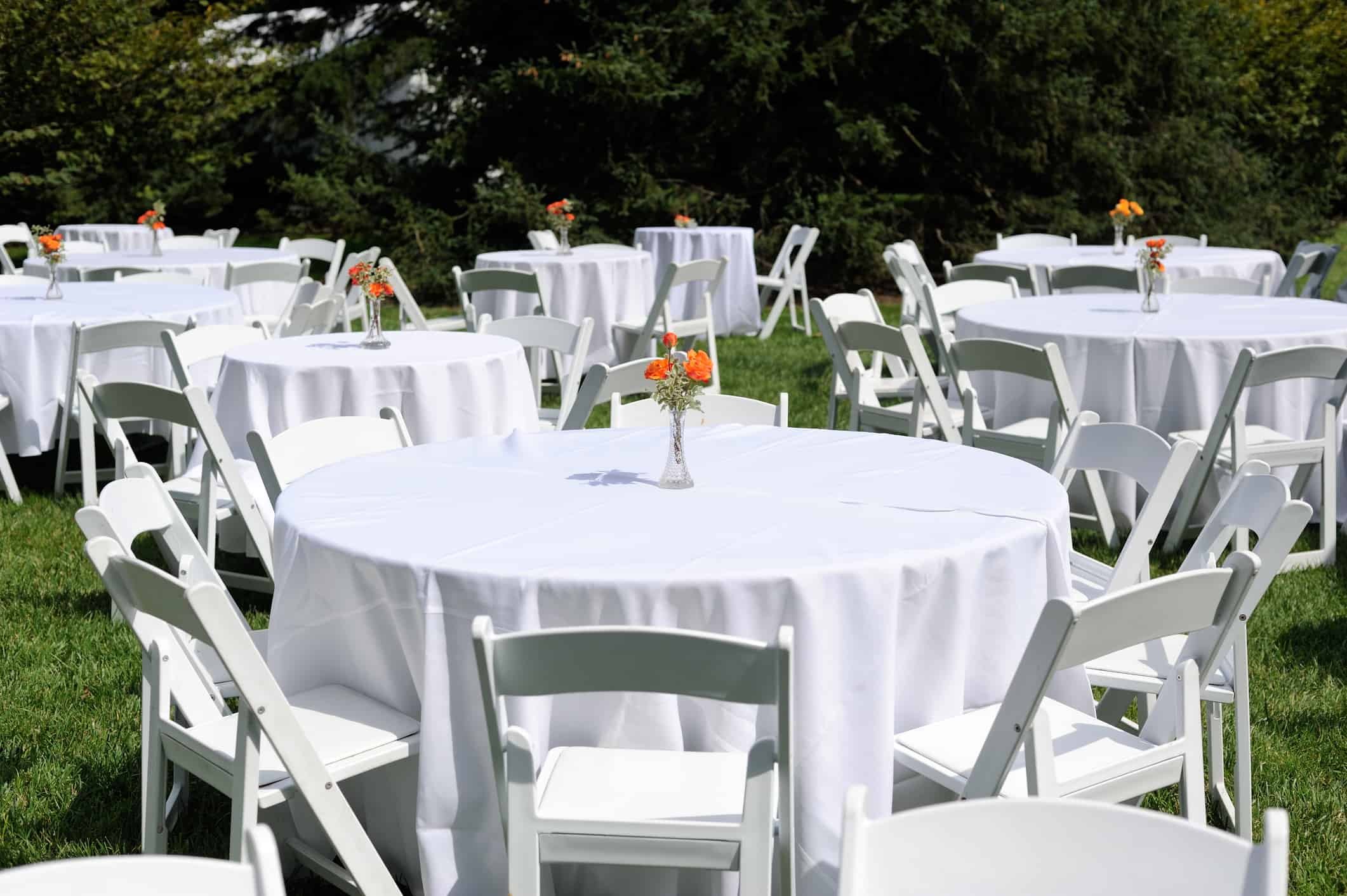
A well-planned celebration can leave lasting memories, but costs can quickly add up without proper preparation. From intimate gatherings to large-scale events, several elements influence the final budget. Many hosts are surprised by how different services and equipment affect pricing. Working with a Party rental company helps simplify planning, yet understanding the major cost factors allows you to make smarter decisions and avoid unexpected expenses.
Guest Count Plays A Major Role In Pricing
The number of guests attending an event is one of the biggest factors affecting rental costs. A larger crowd requires more tables, chairs, dinnerware, linens, and serving equipment. As attendance increases, rental providers must supply additional inventory and often allocate more staff for setup and breakdown.
Accurate guest estimates help avoid unnecessary spending. Overestimating attendance can result in paying for unused items, while underestimating may lead to last-minute additions that often come with extra fees.
Venue Size And Location Influence Expenses
The venue selected for an event directly impacts rental costs. Larger venues generally require more furnishings, décor, lighting, and equipment to fill the space effectively. Smaller venues may reduce rental needs, helping control the budget.
Location also matters. Transportation costs increase when equipment must be delivered long distances or to areas with limited access. Urban locations may involve parking fees or permit requirements, while remote venues can require additional labor and travel time.
Type Of Rental Equipment Needed
Different events require different types of rental equipment. Basic gatherings may only need tables and chairs, while formal occasions often include specialty items such as staging, dance floors, lighting systems, and decorative furniture.
Premium products usually cost more because of their design, quality, and maintenance requirements. Specialty inventory is often in high demand, which can further increase pricing during busy seasons.
Common Rental Items That Affect Costs
- Tables and chairs
- Tents and canopies
- Dance floors
- Audio and visual equipment
- Lighting systems
- Linens and table settings
- Portable bars
- Lounge furniture
Selecting only the items that support the event's goals can help keep spending under control.
Tent Size And Weather Protection Requirements
Outdoor events often require tents to provide shelter and comfort. Tent pricing varies based on size, style, and installation complexity. Larger tents require more materials and labor, which increases overall costs.
Weather considerations can also affect pricing. Sidewalls, heaters, cooling units, flooring, and generators may be necessary depending on the season. These additions improve guest comfort but also increase the rental budget.
Event Duration Can Increase Rental Fees
The length of an event influences the final rental bill. Many providers offer pricing based on a standard rental period. Events extending beyond that timeframe may incur additional charges.
Multi-day events often require equipment to remain onsite longer, limiting availability for other customers. As a result, rental companies may charge higher rates for extended usage periods.
Seasonal Demand Impacts Availability
Certain times of the year experience higher demand for event rentals. Wedding season, holiday celebrations, graduation parties, and corporate event periods often create increased competition for inventory.
Higher demand can lead to elevated pricing and limited availability. Booking early helps secure preferred equipment and often provides more favorable pricing options. Planning ahead is one of the simplest ways to reduce costs.
Setup And Breakdown Services Add Value
Many hosts choose professional setup and breakdown services for convenience. These services save time and help ensure equipment is installed correctly and safely.
Labor costs depend on the complexity of the event. Simple table arrangements require less time than large-scale installations involving tents, stages, lighting systems, or custom layouts. Understanding labor requirements early helps create a more accurate budget.
Customization And Event Design Choices
Customized event designs can significantly affect pricing. Specialty linens, themed décor, custom furniture arrangements, and unique centerpieces often require additional materials and labor.
Personalized designs create a memorable atmosphere, but they should align with the event's priorities. Focusing on a few standout elements rather than customizing every detail can help maintain a balanced budget.
Balancing Style And Budget
A thoughtful approach to customization helps maximize value. Choosing high-impact design features allows hosts to create an attractive environment without overspending on unnecessary additions.
Working closely with rental professionals often reveals cost-effective alternatives that still achieve the desired look.
Audio, Lighting, And Entertainment Requirements
Entertainment needs frequently influence rental expenses. Sound systems, microphones, projectors, LED screens, and stage lighting all require specialized equipment and technical expertise.
Larger events may need professional technicians to operate equipment throughout the event. These services improve the guest experience but should be included in budget planning from the beginning.
Delivery Logistics And Access Conditions
Delivery conditions can affect pricing more than many people realize. Venues with limited access, multiple floors, elevators, or strict delivery schedules may require additional labor.
Complex loading and unloading conditions increase setup time. Discussing venue logistics with the rental provider early helps avoid surprise charges later in the planning process.
Furniture And Seating Selections Matter
Furniture style has a direct impact on event costs. Standard folding chairs and banquet tables are usually the most economical options. Premium seating, lounge furniture, and designer pieces generally carry higher rental rates.
The choice depends on the event's purpose and atmosphere. While luxury furniture can elevate the guest experience, it should fit within the overall event budget and objectives.
Permits And Venue Regulations May Affect Costs
Certain venues and municipalities require permits for tents, generators, staging, or amplified sound. Permit fees vary depending on location and event size.
Compliance requirements may also involve inspections or additional safety equipment. Reviewing venue regulations in advance helps prevent delays and unexpected expenses during the planning process.
Last-Minute Changes Often Increase Spending
Changes made close to the event date can lead to higher costs. Adding equipment, increasing guest counts, or modifying layouts may require additional transportation, labor, or inventory adjustments.
Creating a detailed event plan early reduces the likelihood of costly revisions. Clear communication with your Party rental provider helps ensure everything stays on schedule and within budget.
Comparing Packages Can Save Money
Many rental companies offer bundled packages that combine commonly needed items. These packages often provide better value than renting each item separately.
Comparing package options allows hosts to identify opportunities for savings while ensuring all essential equipment is included. Asking for a detailed breakdown of services can help clarify what is covered and prevent duplicate expenses.
Conclusion
The cost of a rental event depends on many interconnected factors, including guest count, venue selection, equipment needs, event duration, seasonal demand, and customization choices. Understanding these elements makes budgeting more accurate and helps prevent unexpected expenses. Careful planning, early booking, and clear communication with rental professionals can significantly improve cost management. Rather than focusing solely on the lowest price, consider overall value, service quality, and reliability. A well-organized event that meets guest expectations is often the result of informed decisions made long before the celebration begins.
Comments