The operating room is an environment where precision is everything. As a medical student or surgical technician, you know that visibility is the most critical factor for the success of any operation. If the surgeon cannot see clearly, the procedure stops. This is where surgical retractors come into play—instruments designed to keep tissues and organs out of the visual field.
Among the most essential tools in your general surgery tray is the Harrington Retractor. This instrument, often affectionately called the "Sweetheart" by surgeons, has a unique design that makes it indispensable.
This guide will explain the design, specific uses, and clinical importance of the Harrington retractor. Additionally, we will analyze how it compares to another fundamental OR tool so you can master your instrumentation perfectly.
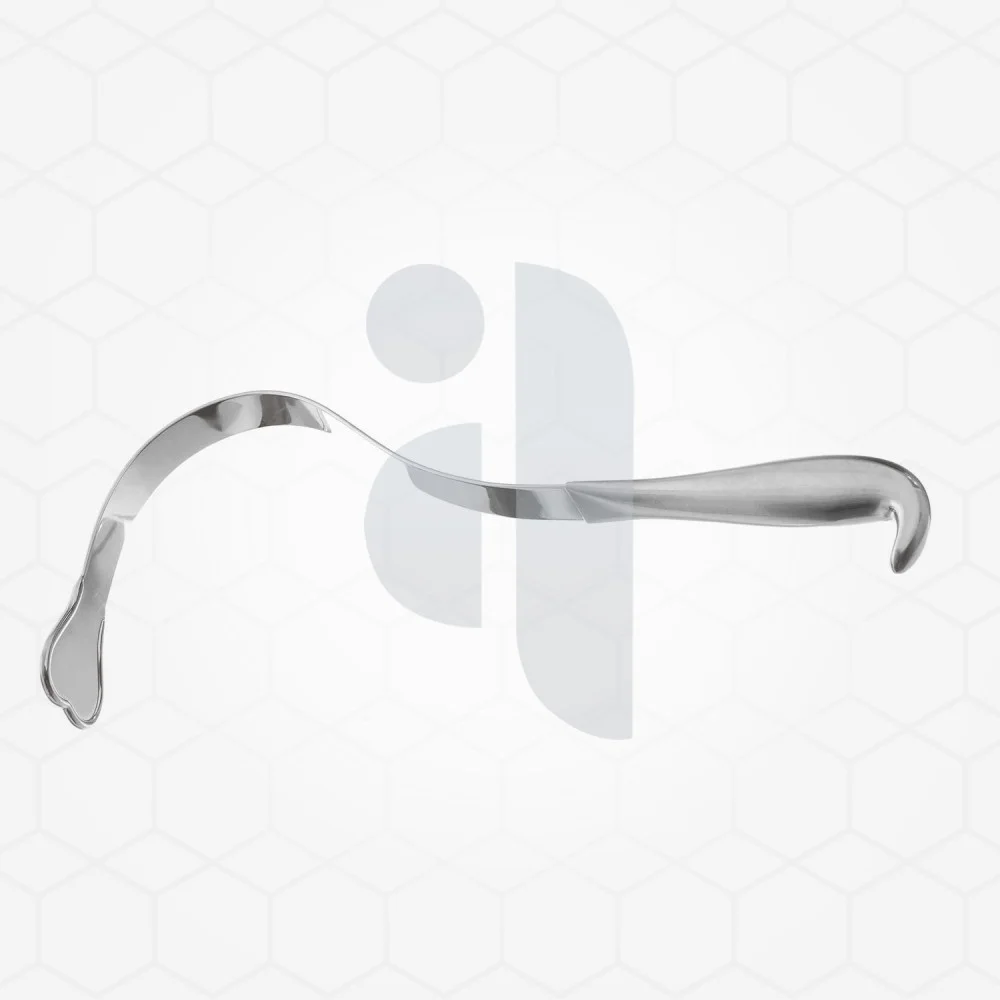
The Anatomy of the "Sweetheart": Design and Features
The nickname "Sweetheart" isn't random. If you look at the tip of a Harrington retractor, you will immediately notice it is shaped like a heart. This distinctive feature is not an aesthetic choice, but a very clever anatomical and functional design decision.
The Heart-Shaped Blade: The heart-shaped tip is wide, flat, and features smooth, rounded edges. This design serves a very clear purpose: reducing trauma to delicate tissues. When the surgeon needs to move a large, fragile organ, the curved edges distribute pressure evenly. This prevents tears, bruising, or damage from prolonged compression.
The Ergonomic Handle: The handle of the Harrington retractor is usually hollow and textured. Whoever is holding the retractor (often you, as a student or assistant) must maintain constant pressure for long periods. A serrated or grooved handle provides a firm grip even when gloves are slippery from surgical fluids. Furthermore, the hollow design lightens the overall weight of the instrument, reducing hand and arm fatigue.
Manufacturing Material: Like most high-quality instrumentation, it is forged from surgical-grade stainless steel. This allows the instrument to withstand the rigors of autoclave sterilization without rusting, bending, or losing its structural integrity.
What is the Harrington Retractor Used For?
The Harrington retractor shines in deep abdominal surgeries and pelvic procedures. Its design makes it the perfect tool for holding dense, vascularized organs that need constant protection during intervention.
Liver Retraction: One of the most common uses is during gallbladder or upper biliary tract surgeries. The liver is a large, heavy organ and extremely prone to bleeding if handled roughly. The Harrington's heart-shaped blade fits the curvature of the liver perfectly, holding it up and away from the surgical field without piercing its capsule.
Pelvic and Gynecological Surgeries: In deep pelvic surgeries, the intestines tend to fall into the workspace due to gravity. The Harrington retractor is wide enough to push the intestinal loops upward, keeping the pelvis clear. Its smooth surface avoids pinching delicate intestinal tissue.
Oncology Interventions: During the resection of abdominal tumors, surgeons need a wide panoramic view. The Harrington allows for deep and safe retraction, exposing blood vessels and tumor margins without compromising adjacent healthy organs.
Key Comparison: Harrington vs. Deaver Retractor
As a surgical tech, you will see surgeons ask for different retractors depending on the stage of the surgery. A common confusion among students is knowing when to pass a Harrington and when to pass a Deaver retractor. Both are deep manual retractors, but they have very different shapes and purposes.
| Feature | Harrington Retractor ("Sweetheart") | Deaver Retractor |
| Shape | Wide, flat blade with a heart-shaped tip. | Shaped like a question mark or an elongated "C." |
| Handle | Distinctive hollow, textured handle. | Continuous, smooth curved piece of steel. |
| Primary Use | Holding large organs (Liver, intestines). | Retracting the abdominal wall or specific deep structures. |
| Pressure | Distributes pressure over a wide area. | Concentrates force for leverage/pulling. |
In summary:
Pass the Harrington to hold the liver or gently push large portions of the intestine.
Pass the Deaver to retract the abdominal wall, work in narrower spaces, or apply continuous leverage.
Essential Tips for Students and Technicians
Learning to handle surgical instruments goes beyond memorizing names. You must anticipate the surgeon's needs and ensure tool maintenance.
Pass the instrument safely: When the surgeon asks for the Harrington, hold it by the heart-shaped blade and place the handle firmly into the surgeon's palm. The surgical instrument should be oriented in the exact position it will be used.
Inspect before sterilization: After surgery, check the edges of the heart blade. Any nicks, deep scratches, or deformities can turn this safe instrument into a dangerous one that tears gloves or patient tissue.
Manage fatigue during retraction: If assigned to hold the Harrington during a long surgery, muscle fatigue will set in quickly. Keep your elbows tucked into your body and use your core weight to maintain traction rather than relying solely on arm muscles. Never change the angle or relax pressure without warning the surgeon first; a sudden movement can cause a hemorrhage if the liver slips.
The Impact of Choosing the Right Instrument
Modern surgery depends on quick, precise decisions. Choosing the right retractor is not a minor detail. Using the appropriate instrument minimizes tissue trauma, reduces bleeding, and speeds up the patient's postoperative recovery.
The Harrington retractor was designed to solve a specific problem: how to move massive, delicate organs without causing damage. Understanding the engineering behind this tool makes you a much more competent and proactive OR professional.
Comments