What Should You Ask A Fitness Trainer Before Joining?
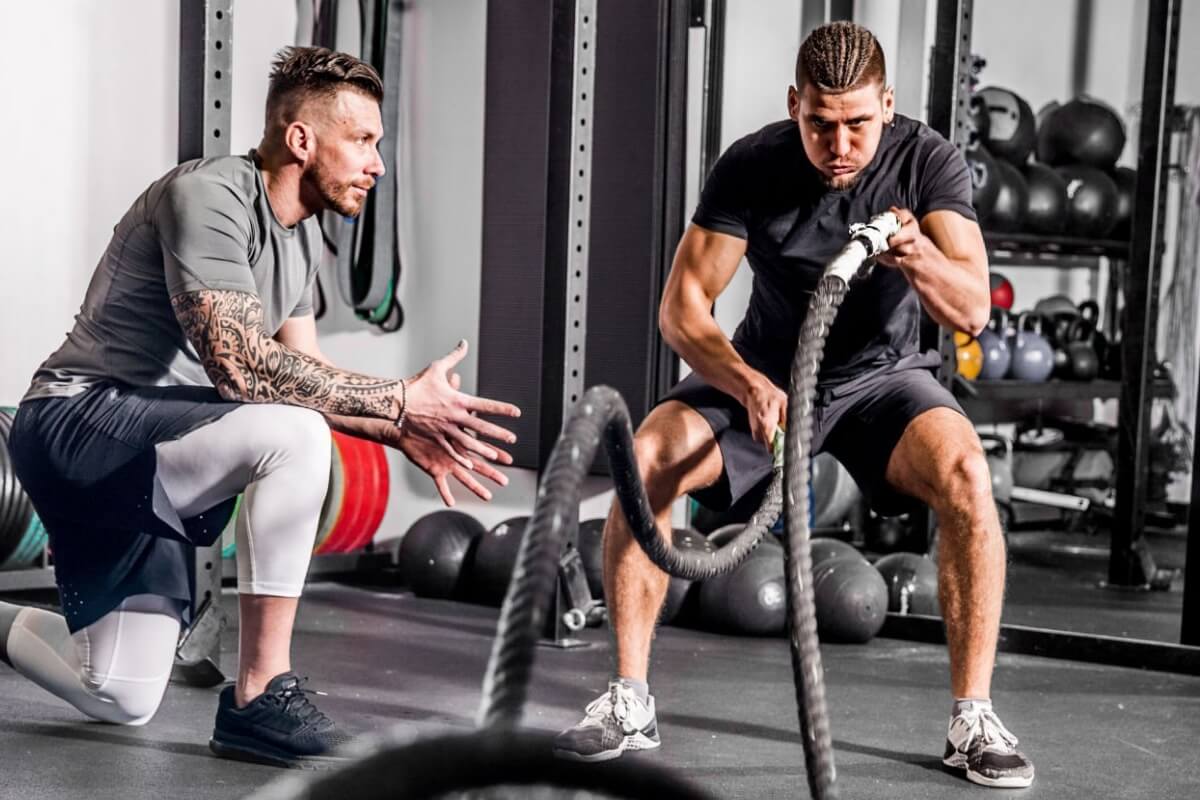
Finding the right trainer requires more than comparing prices or locations. A trainer should match your goals, fitness level, and communication style to help you stay motivated over time. Searching for a Fitness Trainer Near Me is only the first step because asking the right questions helps you understand whether the trainer can provide safe, effective, and personalized guidance for lasting progress.
Ask About Qualifications and Professional Experience
Professional certifications show that a trainer has completed recognized education and understands exercise science, safety, and proper training methods. Asking about certifications, years of experience, and areas of specialization provides valuable insight into their background. Trainers often work with different groups, including beginners, athletes, older adults, or people recovering from injuries. Choosing someone whose experience matches your goals increases the chances of receiving practical guidance that suits your individual needs and abilities throughout your fitness journey.
Their Training Approach
Training styles vary from one coach to another, making it important to understand how sessions are planned and delivered. Some trainers focus on strength development, others prioritize weight management, flexibility, endurance, or functional movement. Asking how workouts are customized allows you to determine whether your personal goals remain the main priority. A trainer should explain how exercises progress over time, how intensity changes, and how your performance is measured without relying on generic workout plans.
Discuss Goal Setting and Progress Tracking
Clear goals give every workout a purpose and help measure success over time. Asking how progress is tracked reveals whether the trainer follows a structured system rather than relying on guesswork. Measurements may include body composition, strength improvements, endurance, flexibility, or movement quality. Regular evaluations also help identify areas needing adjustment. Consistent tracking keeps motivation high because visible progress often encourages clients to remain committed even when results appear gradually.
Learn About Safety and Injury Prevention
Safe exercise should always remain a priority regardless of fitness level. Asking how the trainer reduces injury risks demonstrates their commitment to proper technique and responsible coaching. Qualified trainers normally begin with movement assessments and teach correct exercise form before increasing intensity. They should also know how to modify workouts for medical conditions, previous injuries, or physical limitations. Careful supervision helps build confidence and supports long-term consistency without unnecessary setbacks.
Understand Communication and Scheduling
Strong communication creates a positive training experience and helps maintain accountability. Asking how appointments are scheduled, rescheduled, or cancelled prevents misunderstandings later. Discussion should also include how the trainer answers questions outside scheduled sessions and whether they provide motivation between appointments. Reliable communication builds trust and keeps clients focused on their goals. Flexible scheduling options also make it easier to maintain a regular routine despite changing work or family commitments.
Important Questions to Ask During Your Consultation
Choosing a trainer becomes easier by preparing several questions before your first meeting. Consider asking:
- Which certifications do you currently hold?
- How many years have you worked as a fitness trainer?
- Have you trained clients with goals similar to mine?
- How do you measure progress?
- What happens if I miss a session?
- Do you provide nutrition guidance or general healthy lifestyle advice?
- How often will my workout plan be updated?
- What support is available between training sessions?
Compare Value Instead of Focusing Only on Cost
Training fees naturally influence your decision, yet value matters far more than selecting the lowest price. Asking what services are included helps you compare trainers fairly. Some packages include fitness assessments, customized workout plans, progress reviews, nutritional guidance, or online support. Others may charge separately for these services. Understanding everything included allows you to calculate the overall value rather than making a decision based only on session rates, leading to greater long-term satisfaction.
Conclusion
Choosing a fitness trainer deserves careful thought because the right professional can support your health goals for years. Asking detailed questions about qualifications, experience, safety practices, communication, progress tracking, and pricing provides a complete picture before making a commitment. Careful research helps you select someone who understands your needs and offers practical guidance that fits your lifestyle. Taking time to evaluate your options creates a stronger foundation for steady progress and lasting fitness success.
Comments