What Training Should Certified Home Health Aides Have?
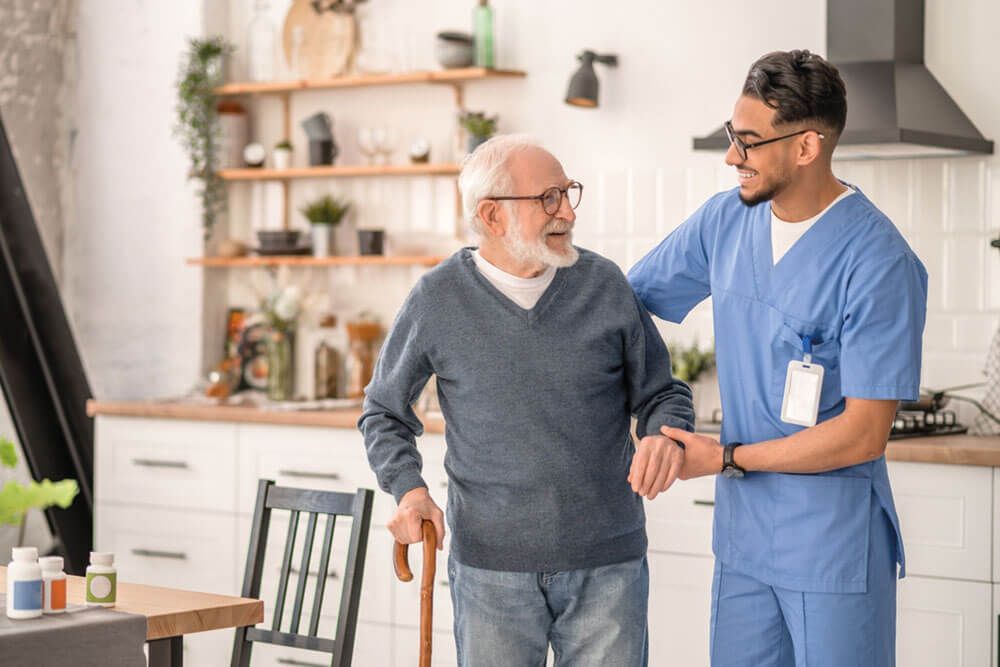
Professional caregivers play a vital role in supporting individuals who need assistance at home. Home health care depends on Certified Home Health Aides (CHHAs) to provide both medical and personal support. Proper training equips aides to handle daily living activities, monitor health conditions, and provide emotional assistance. Well-prepared CHHAs improve patients' quality of life while building trust with families. Understanding the training requirements for these professionals highlights the skills needed to deliver safe, effective, and compassionate care consistently, ensuring patients receive reliable and respectful support in the comfort of their homes.
The Role of a Certified Home Health Aide
Certified Home Health Aides assist patients with daily living tasks, including bathing, grooming, dressing, feeding, and mobility support. They monitor vital signs, administer basic care, and provide companionship to individuals who may feel isolated or vulnerable. CHHAs often care for elderly patients, those with chronic conditions, or individuals recovering from surgery. Proper training ensures aides can respond to emergencies, prevent injuries, and communicate effectively with both patients and families. A well-trained aide combines technical competence with empathy, promoting safety, comfort, and trust in the home care environment.
Core Training Requirements for Certified Home Health Aides
CHHA programs provide essential skills for competent caregiving. Personal care skills include bathing, dressing, feeding, and hygiene support. Training in basic anatomy and physiology helps aides recognize health changes and understand patient needs. Safety protocols cover infection control, fall prevention, and emergency response. Communication and interpersonal skills are emphasized to improve interactions with patients and families. Documentation and record-keeping ensure proper communication with healthcare providers. Comprehensive core training prepares aides for both routine and unexpected care situations, maintaining patient safety and high standards in home health care services consistently.
Specialized Skills Training
Some CHHAs pursue specialized training tailored to specific patient populations. Dementia care programs teach memory support techniques and strategies to reduce agitation. Mobility assistance training focuses on safe patient transfers and exercises for individuals with physical limitations. Nutrition guidance helps aides manage dietary restrictions for conditions such as diabetes or heart disease. Training in the use of medical equipment, including oxygen tanks, walkers, and wheelchairs, ensures safe and competent care. Specialized training enhances care quality, equips aides to handle complex needs, and builds professional confidence while improving patient outcomes in home health care settings.
Certification and Continuing Education
Becoming a certified home health aide requires completing a state-approved training program and passing a competency exam. Certification demonstrates that aides meet established standards for safe and effective care. Continuing education keeps CHHAs updated on medical guidelines, safety procedures, and evolving caregiving techniques. Ongoing learning helps aides address new challenges, apply best practices, and maintain consistent care quality. Certification combined with continuing education improves credibility and ensures that aides can meet the changing needs of patients. This process benefits families, patients, and the overall home care system by reinforcing trust and professional accountability.
Importance of Soft Skills in Home Health Care
Soft skills are crucial for providing comprehensive care. Empathy and compassion allow aides to connect emotionally with patients, building trust and comfort. Patience and adaptability help manage challenging situations calmly. Effective communication strengthens relationships with patients and families, while problem-solving skills ensure aides can respond to unexpected issues safely. These interpersonal abilities complement technical knowledge, enhancing patient satisfaction and emotional well-being. CHHAs who balance professional skills with strong soft skills foster a supportive and positive care environment, improving the overall quality of home health care services consistently.
Training for Legal and Ethical Responsibilities
CHHAs must understand legal and ethical responsibilities to protect patients and maintain professionalism. HIPAA training ensures patient confidentiality and privacy. Ethical decision-making teaches aides how to provide care aligned with professional standards. Instruction on reporting abuse or neglect emphasizes patient safety. Proper documentation and record-keeping help ensure accurate communication with healthcare providers. Training in these areas allows aides to navigate legal obligations confidently, safeguard patients, and uphold ethical standards. Awareness of rights, responsibilities, and compliance requirements reinforces the credibility of both aides and home health care agencies.
Practical Training and Hands-On Experience
Hands-on experience is essential for CHHA programs. Clinical rotations, supervised practice, and internships allow aides to apply classroom knowledge in real-world scenarios. Practical training strengthens skills in personal care, mobility assistance, and emergency response. Exposure to various patient situations builds confidence and adaptability, preparing aides to handle challenges safely and professionally. Supervised practice ensures techniques are applied correctly and reinforces effective communication and problem-solving skills. Integrating practical experience with theoretical training guarantees that aides are ready to deliver high-quality, safe, and compassionate care in diverse home care environments.
Conclusion
Certified home health aides require a combination of technical skills, specialized knowledge, soft skills, and ethical understanding. Comprehensive training equips aides to provide safe, respectful, and effective care while supporting professional development. Properly trained CHHAs enhance patient comfort, safety, and satisfaction, benefiting both families and the home health care system. Investing in extensive CHHA training ensures that patients receive the best care possible and strengthens the reputation and reliability of home health services. High-quality training establishes competent, confident, and compassionate aides capable of meeting evolving patient needs.
FAQs
1. How long does CHHA training typically take?
Training ranges from 75 to 120 hours depending on state requirements. It includes classroom instruction, practical exercises, and supervised clinical practice.
2. Are CHHAs required to complete continuing education?
Yes, continuing education ensures aides stay current with safety protocols, patient care guidelines, and medical updates to maintain quality care.
3. What specialized skills can CHHAs learn?
Specialized training covers dementia care, mobility assistance, nutrition planning, and proper use of medical equipment for patients with specific needs.
4. Do CHHAs need certification to work?
Certification confirms an aide meets state standards and demonstrates competency in providing safe and effective home health care services.
5. Why are soft skills important for home health aides?
Empathy, communication, patience, and problem-solving help aides build trust, provide emotional support, and improve the overall patient experience.
Comments