When Should You Use a 16A Circuit Protection Device at Home?
Electrical safety is one of the most important aspects of every modern home. As households increasingly rely on multiple appliances and electronic devices, choosing the right circuit protection becomes essential for preventing overloads and short circuits. Different electrical circuits require protection devices suited to their specific load capacities, making it important to understand their applications before installation. Whether you are upgrading your home's electrical system or planning a new one, selecting the appropriate protection device contributes to safer operation, improved efficiency, and long-term reliability for your electrical network.
Understanding Circuit Protection Devices
Circuit protection devices are designed to interrupt the flow of electricity whenever an abnormal condition occurs. Their primary purpose is to safeguard electrical wiring, connected appliances, and occupants from potential hazards.
Some major benefits include:
- Protection against overloads
- Prevention of short circuits
- Improved electrical safety
- Reduced risk of equipment damage
- Longer lifespan of electrical installations
Selecting the correct protection device depends on the electrical load, type of appliance, and intended application.
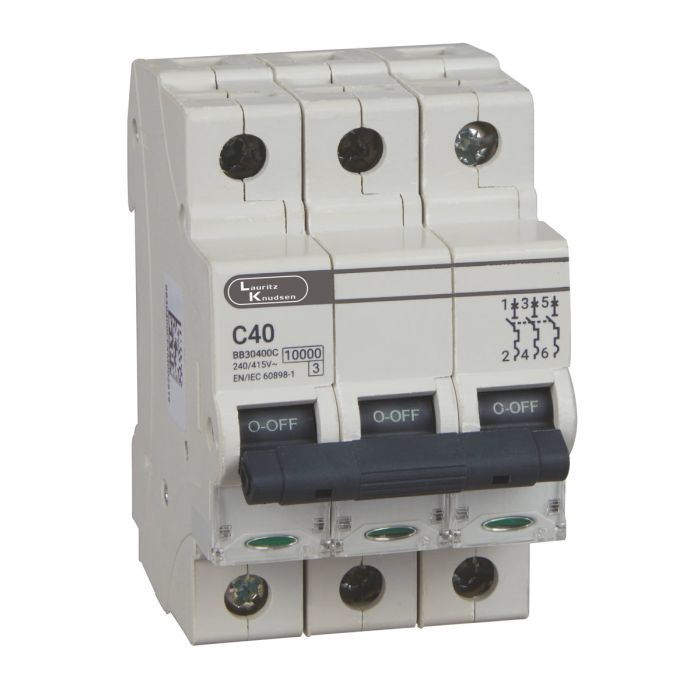
What Is a 16 AMP MCB?
A 16 AMP MCB is a miniature circuit breaker designed to protect electrical circuits carrying moderate current loads. It automatically disconnects the circuit when excessive current flows through it, helping prevent overheating and electrical damage.
This type of circuit breaker is commonly used in residential electrical systems where medium-load appliances and dedicated circuits require dependable protection.
Its automatic operation also eliminates the need to replace traditional fuses after every fault, making maintenance simpler and more convenient.
When Should You Use a 16A Circuit Protection Device?
Choosing the correct circuit breaker depends on the type of appliances connected and the electrical demand of each circuit.
1. Dedicated Appliance Circuits
Several household appliances require independent electrical circuits for safe operation.
Examples include:
- Washing machines
- Microwave ovens
- Water heaters
- Air coolers
- Dishwashers
A properly selected 16 AMP MCB helps protect these dedicated circuits from overload and short-circuit conditions.
2. Kitchen Electrical Circuits
The kitchen is one of the busiest areas in a home, with multiple appliances often operating simultaneously.
Using suitable circuit protection ensures:
- Safe appliance operation
- Reduced risk of overheating
- Reliable power distribution
- Better protection against accidental overloads
Separate circuits for larger appliances improve both safety and electrical efficiency.
3. Utility and Service Areas
Laundry rooms, storage areas, and workshops often contain equipment that draws moderate electrical current.
Installing appropriately rated protection devices helps ensure that these circuits continue operating safely even during demanding usage.
Factors to Consider Before Selecting Circuit Protection
Choosing the right circuit protection device requires evaluating several important factors.
Electrical Load
Always calculate the expected electrical load before selecting any circuit breaker. Undersized protection may trip frequently, while oversized protection may fail to safeguard the circuit effectively.
Type of Appliances
Different appliances have varying startup and operating current requirements. Matching protection devices with appliance specifications improves overall system performance.
Future Expansion
Many homeowners later add additional appliances or renovate their living spaces. Planning for future electrical requirements helps minimize future modifications.
Professional Installation
Circuit protection devices should always be installed according to applicable electrical standards by qualified professionals to ensure safe operation.
Understanding Higher-Capacity Circuit Protection
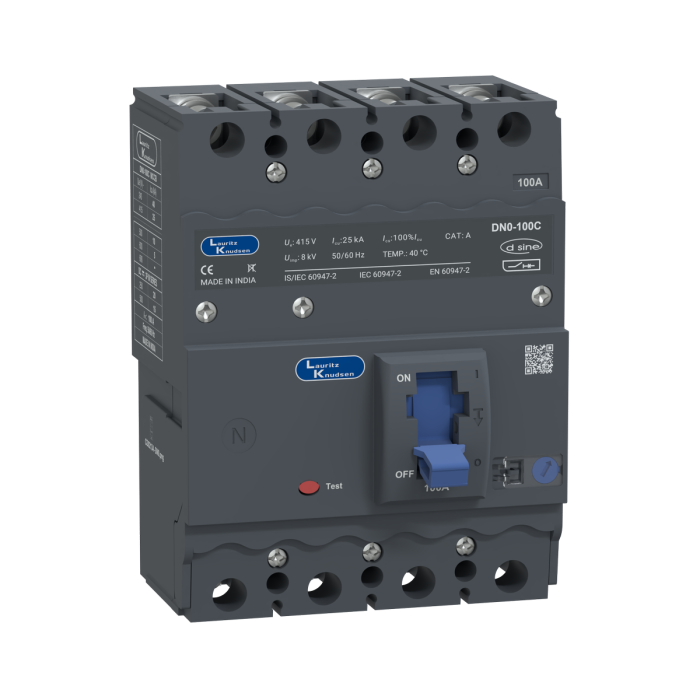
Residential electrical systems sometimes require larger protective devices for the main incoming power supply or distribution panels.
During system planning, homeowners often compare the 100 AMP MCCB price when evaluating higher-capacity protection options. Understanding available specifications along with the 100 AMP MCCB price helps in estimating overall project costs without compromising safety requirements.
Common Mistakes to Avoid
Improper circuit protection selection can reduce the safety and efficiency of a home's electrical system.
Avoid these common mistakes:
- Selecting circuit breakers based only on price
- Ignoring electrical load calculations
- Connecting multiple heavy appliances to one circuit
- Using incorrect breaker ratings
- Delaying replacement of faulty protection devices
Careful planning significantly reduces the likelihood of electrical problems in the future.
Practical Tips for Better Electrical Safety
Maintaining a safe electrical system requires both proper equipment selection and regular inspections.
Here are some useful recommendations:
- Identify dedicated circuits for high-load appliances.
- Avoid overloading extension boards and outlets.
- Inspect electrical panels periodically.
- Replace damaged electrical components immediately.
- Consult qualified professionals before modifying electrical installations.
These simple practices help improve safety while extending the lifespan of household electrical systems.
Planning for Long-Term Electrical Needs
Modern homes continue to add new electrical devices, smart appliances, and home automation systems. As power requirements grow, homeowners should consider scalable electrical infrastructure.
While selecting residential circuit protection, it is equally useful to understand larger distribution equipment for future upgrades. Comparing the 100 AMP MCCB price alongside system requirements can assist homeowners in planning future electrical improvements if their power demand increases over time.
Proper planning today helps reduce costly electrical modifications tomorrow.
Conclusion
Choosing the right circuit protection device is essential for maintaining a safe and reliable home electrical system. Understanding where and when to use appropriately rated breakers helps protect appliances, wiring, and occupants from electrical faults. Careful consideration of load requirements, installation practices, and future expansion ensures long-term efficiency and dependable performance. Backed by more than seven decades of expertise in electrical and automation solutions,Lauritz Knudsen Smartshop continues to provide reliable products that support safer, smarter, and more efficient electrical systems for homes and diverse infrastructure needs.
Comments