Where Is Assist Calibration Used In Modern Vehicle Systems?
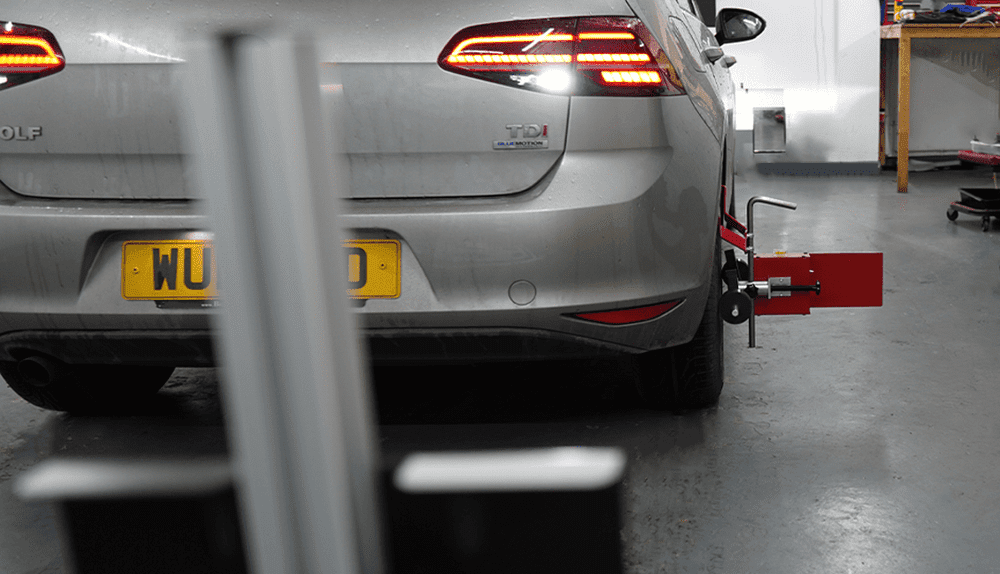
Modern vehicles rely on advanced electronic systems that support safe and controlled driving experiences. These systems include sensors, cameras, radar units, and control modules working together in real time. Even a slight misalignment can impact safety features and driving accuracy. Assist calibration ensures that all components remain properly aligned after repairs or replacements. Systems like lane assist calibration play a critical role in maintaining correct vehicle response. This process supports safe driving by restoring precision across all safety technologies used in modern automotive design.
Assist Calibration In Modern Vehicles
Assist calibration is the process of adjusting and aligning vehicle sensors and cameras so they communicate accurately with onboard systems. These components gather data from road conditions, traffic movement, and vehicle position. The system then processes this information to assist driving decisions. Calibration ensures this data remains accurate and reliable. Without proper alignment, control modules may receive incorrect input. This can lead to poor system performance. Proper calibration ensures that safety systems operate with precision and consistent communication between hardware and software.
Why Accurate Calibration Matters
Accurate calibration directly impacts vehicle safety and performance. Safety systems such as braking assistance, lane monitoring, and steering correction rely on precise sensor input. Misalignment can cause delayed responses or incorrect warnings. This increases the risk of unsafe driving conditions. Calibration ensures that all systems react properly to real-world situations. It also improves driver trust in automated features. When sensors are correctly aligned, the vehicle can detect obstacles, maintain lanes, and adjust speed efficiently, reducing the chances of road incidents significantly.
Vehicle Systems That Depend On Assist Calibration
Modern vehicles use multiple driver-assistance systems that require calibration for correct operation. These include lane departure warning systems, adaptive cruise control, blind spot detection, forward collision alerts, automatic emergency braking, parking assistance cameras, and traffic sign recognition. Each system depends on precise sensor alignment. Even minor positioning errors can affect performance. Calibration ensures that all systems work together smoothly. This allows vehicles to respond accurately to road conditions and helps drivers maintain better awareness while operating the vehicle.
How Cameras And Sensors Support Vehicle Safety
Front-facing cameras are typically mounted near the windshield and monitor lane markings, road signs, and vehicles ahead. These cameras send visual data to the control system for analysis. Radar sensors measure distance and speed of nearby objects, while ultrasonic sensors assist with close-range detection. Together, these systems create a complete safety network. Calibration ensures that each sensor reads data correctly and remains aligned with real-world positioning. Proper setup allows accurate detection, improved reaction times, and better decision-making by vehicle systems.
Situations That Require Assist Calibration
Several repair or maintenance situations require assist calibration to restore system accuracy. Windshield replacement often affects camera positioning, making recalibration necessary. Collision repairs may shift sensor brackets or mounting points. Suspension changes or wheel alignment adjustments can also alter how sensors interpret vehicle height and road angles. Even minor structural changes can affect system performance. Calibration ensures that all affected systems return to factory specifications. This process helps maintain consistent functionality of safety features after any mechanical or structural adjustment.
Static Calibration Process Explained
Static calibration is performed in a controlled workshop environment. Technicians use specialized tools, calibration boards, and measurement equipment to adjust sensor alignment. The vehicle remains stationary during the process. Precise positioning ensures that cameras and radar systems are correctly calibrated according to manufacturer specifications. This method is commonly used when accuracy must be achieved in a controlled setting. It requires proper lighting, flat surfaces, and exact distances. Static calibration ensures that systems are correctly aligned before the vehicle returns to road use.
Dynamic Calibration Process Explained
Dynamic calibration occurs while the vehicle is driven on specific road conditions. During this process, sensors collect real-time data as the vehicle moves. The system automatically adjusts alignment based on road markings, traffic flow, and environmental inputs. This method is often used when static calibration alone is not sufficient. It helps fine-tune system accuracy in real driving conditions. Dynamic calibration ensures that safety systems respond properly during actual road usage. It is especially useful for adaptive technologies that rely on continuous data input.
Industries And Vehicles Using Assist Calibration
Assist calibration is widely used across different vehicle categories and industries. Passenger vehicles such as sedans, SUVs, electric cars, and luxury models rely heavily on calibrated systems for safety features. Commercial transport vehicles, including delivery vans and trucks, also require calibration due to frequent road usage. Automotive repair shops and service centers perform these procedures regularly. Certified technicians ensure that each system meets manufacturer standards. Calibration has become an essential part of modern automotive maintenance across both private and commercial sectors.
Challenges In Modern Vehicle Calibration
Modern calibration processes face challenges due to increasing vehicle complexity. New vehicles combine multiple sensors, cameras, and software systems that must work together precisely. Each manufacturer designs unique calibration requirements, making procedures more complex. Technicians must follow strict guidelines to avoid system errors. Even small mistakes in alignment can affect multiple safety systems at once. Continuous advancements in automotive technology require updated tools and training. These challenges make calibration a highly technical and detail-oriented process in today’s automotive industry.
Benefits Of Proper Assist Calibration
Proper assist calibration improves overall vehicle safety and system reliability. It ensures that warning systems respond correctly to real-time driving conditions. Drivers receive accurate alerts for obstacles, lane departure, and speed adjustments. This increases confidence while driving. Calibration also helps maintain the value of advanced vehicle technology by keeping systems functioning correctly. Proper alignment reduces false alerts and system failures. It ensures that all driver-assistance features work together efficiently, improving both safety and driving comfort on the road.
Future Of Assist Calibration In Automotive Technology
The future of automotive systems is moving toward higher automation and smart driving technologies. Semi-autonomous and fully assisted driving systems require extremely precise calibration. Electric vehicles and connected systems rely on continuous sensor communication. As vehicles become more advanced, calibration processes will become more frequent and detailed. Artificial intelligence and machine learning will also play a role in improving calibration accuracy. This growth will make assist calibration a critical part of future vehicle maintenance and safety systems worldwide.
Conclusion
Assist calibration is an essential process in maintaining the accuracy and reliability of modern vehicle systems. It ensures that cameras, radar units, and sensors work together correctly after repairs or changes. From lane assist calibration to emergency braking systems, every component depends on proper alignment. As automotive technology continues to evolve, calibration will remain a key factor in road safety, system performance, and vehicle reliability. Proper calibration ensures safer driving experiences and supports the long-term functionality of advanced automotive technologies.
Comments