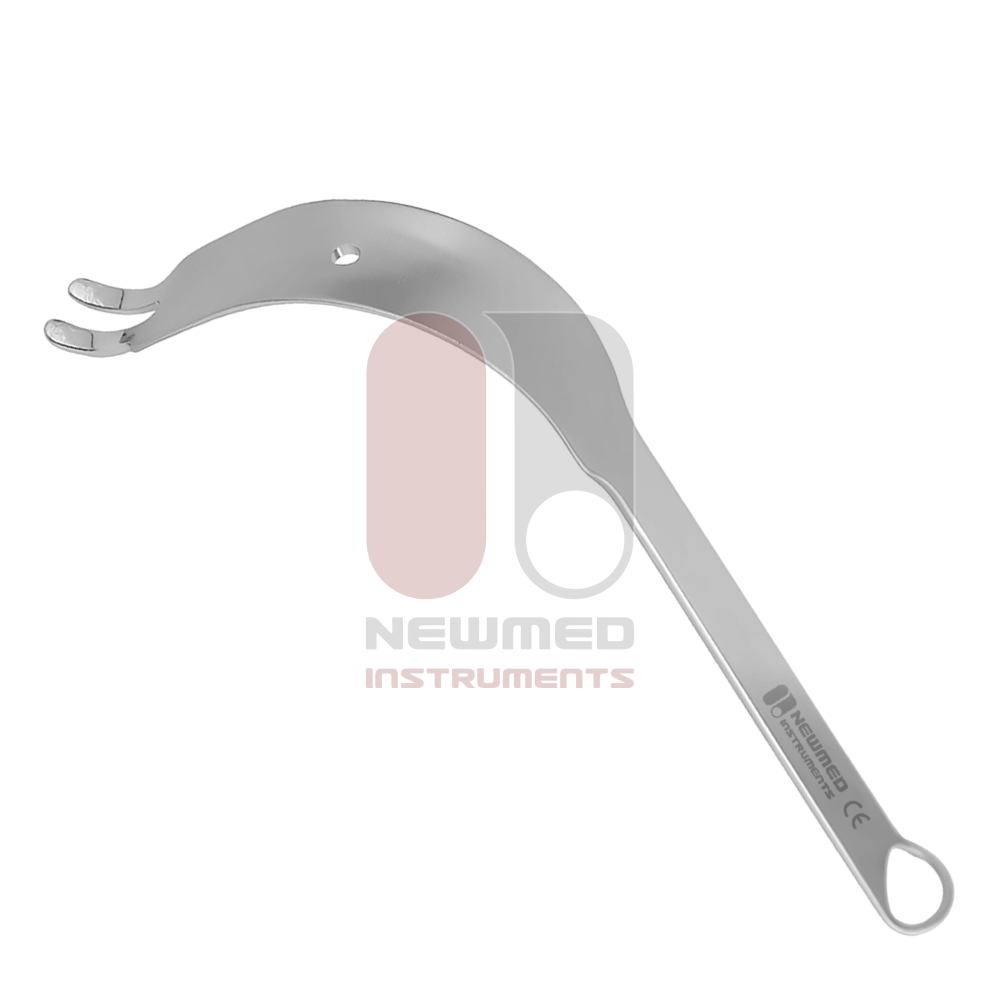
Patient comfort and tissue integrity are paramount in gynecological procedures. Traditional instruments often cause unnecessary pain and bleeding, leading to patient anxiety and longer recovery times. Surgeons are constantly seeking tools that balance firm grip with gentleness. The significant advantages of modern surgical tools designed to minimize trauma. We will examine how updated instrumentation improves clinical outcomes and why choosing the right tool matters for both the surgeon and the patient. Specifically, we will look at how atraumatic tenaculum high-quality instruments support precise results.
Understanding the Need for Gentle Tissue Handling
The cervix is a sensitive organ, highly vascular and prone to bleeding upon manipulation. Historically, single-tooth tenaculums have been the standard for grasping the cervix during procedures like IUD insertions or uterine sounding. While effective at securing tissue, they often puncture the cervical surface, causing pain and bleeding. This creates a dual problem. The patient experiences discomfort that can make future visits daunting, and the surgeon must manage bleeding that obscures the field of view. An atraumatic tenaculum offers a solution by using a different mechanism to hold tissue. Instead of piercing, it distributes pressure more evenly, significantly reducing the risk of injury while maintaining a secure hold.
Benefits of Switching to Safer Instruments
Minimizing trauma during surgery is not just about patient satisfaction; it is about clinical excellence. When tissue remains intact, the risk of infection decreases, and post-procedure spotting is minimized. This leads to fewer complications and a smoother recovery process for the patient. For the surgeon, using an atraumatic tenaculum means less time spent achieving hemostasis after the procedure. The focus remains on the primary task, whether it is a schroeder tenaculum forceps biopsy or device placement. Furthermore, reducing pain during office procedures can decrease the need for local anesthesia, streamlining the workflow and making the experience less stressful for everyone involved.
Applications in Gynecological Procedures
The versatility of non-piercing instruments makes them valuable across a wide range of gynecological interventions. They are particularly useful in office settings where anesthesia options may be limited. Common applications include intrauterine device (IUD) insertion and removal, where stabilizing the uterus is critical. Beyond contraception, these instruments are vital for uterine biopsies and colposcopies. In fertility treatments, such as intrauterine insemination (IUI) or embryo transfer, minimizing uterine contractions caused by pain is essential for success. An atraumatic tenaculum provides the necessary stability without triggering the pain response that can interfere with delicate fertility procedures.
Quality Manufacturing for Precise Results
The effectiveness of any surgical instrument depends heavily on the quality of its manufacturing. Surgeons need tools that are durable, ergonomic, and reliable. High-grade stainless steel ensures that the instrument maintains its integrity through repeated sterilization cycles. New Med Instruments understands these demands intimately. We seek to provide quality surgical instruments and superior service to surgeons, students, and healthcare professionals all over the world. Whether you are establishing a new practice or upgrading your current toolkit, our products are designed to meet specific surgical needs with precision and reliability.
Choosing the Right Tool for Your Practice
Selecting the appropriate instrument involves considering the specific needs of your patient demographic. For nulliparous patients or those with cervical stenosis, the gentle approach is often the only viable option. However, even in routine cases, the shift toward atraumatic care is becoming the new standard. Investing in an atraumatic tenaculum is an investment in patient trust. When patients experience less pain and bleeding, their confidence in their healthcare provider increases. This seemingly small adjustment in instrumentation can have a profound impact on the overall quality of care provided by a clinic or hospital.
Comparison with Traditional Tenaculums
It is important to acknowledge why traditional sharp tenaculums were used for so long. They provide an undeniably strong grip, which is necessary for manipulating a mobile or retroverted uterus. However, the cost of that grip is often tissue damage. Modern designs have bridged this gap. By utilizing offset jaws or specialized teeth patterns that grip without piercing, the atraumatic tenaculum rivals the holding power of traditional versions without the associated trauma. This evolution in design represents a significant step forward in making gynecological procedures more humane and technically superior.
Conclusion
The shift towards atraumatic instruments represents a broader trend in medicine that prioritizes patient experience alongside clinical efficacy. By reducing pain and bleeding, surgeons can perform procedures more efficiently and with greater confidence. Adopting these tools is a practical step toward better healthcare outcomes. We encourage you to evaluate your current instrument set and consider how upgrades could benefit your practice. For high-quality solutions, explore the catalog at New Med Instruments to find tools that align with your commitment to patient care.
Comments